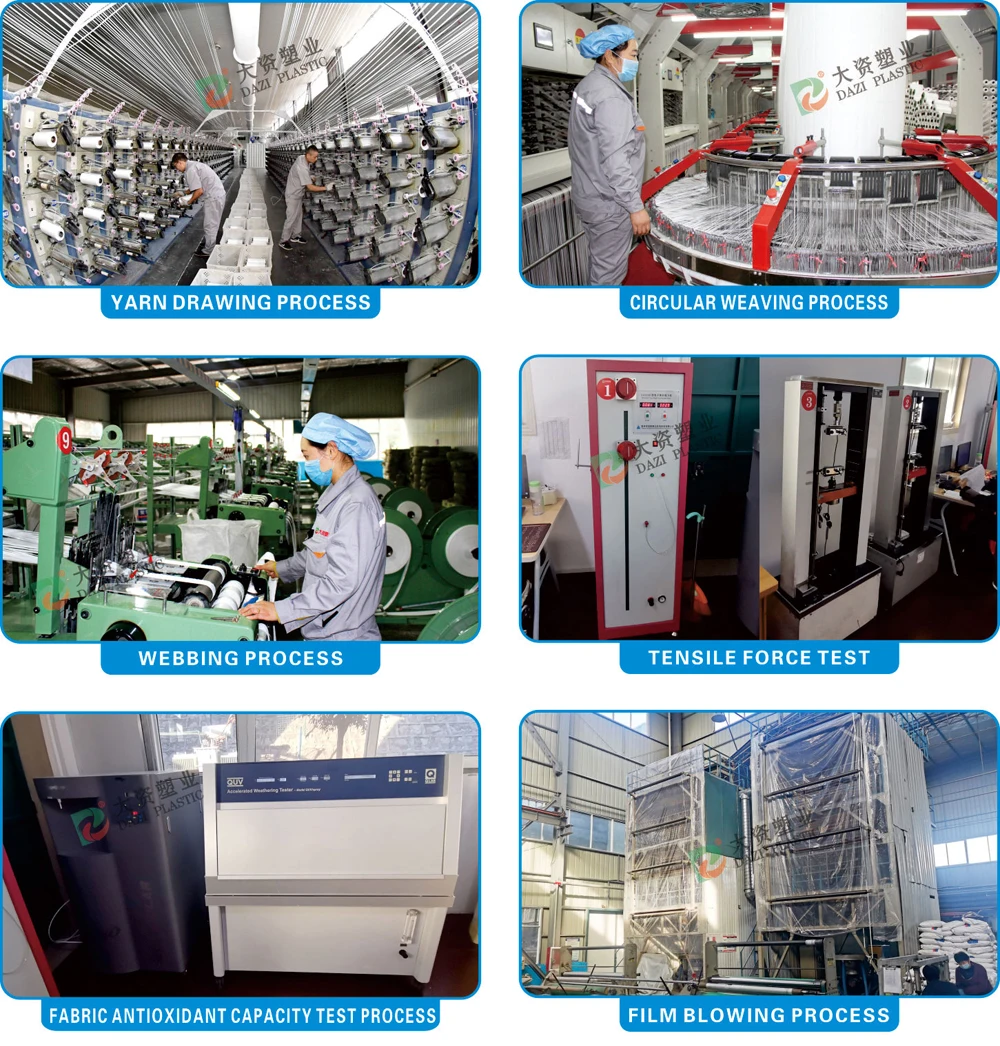
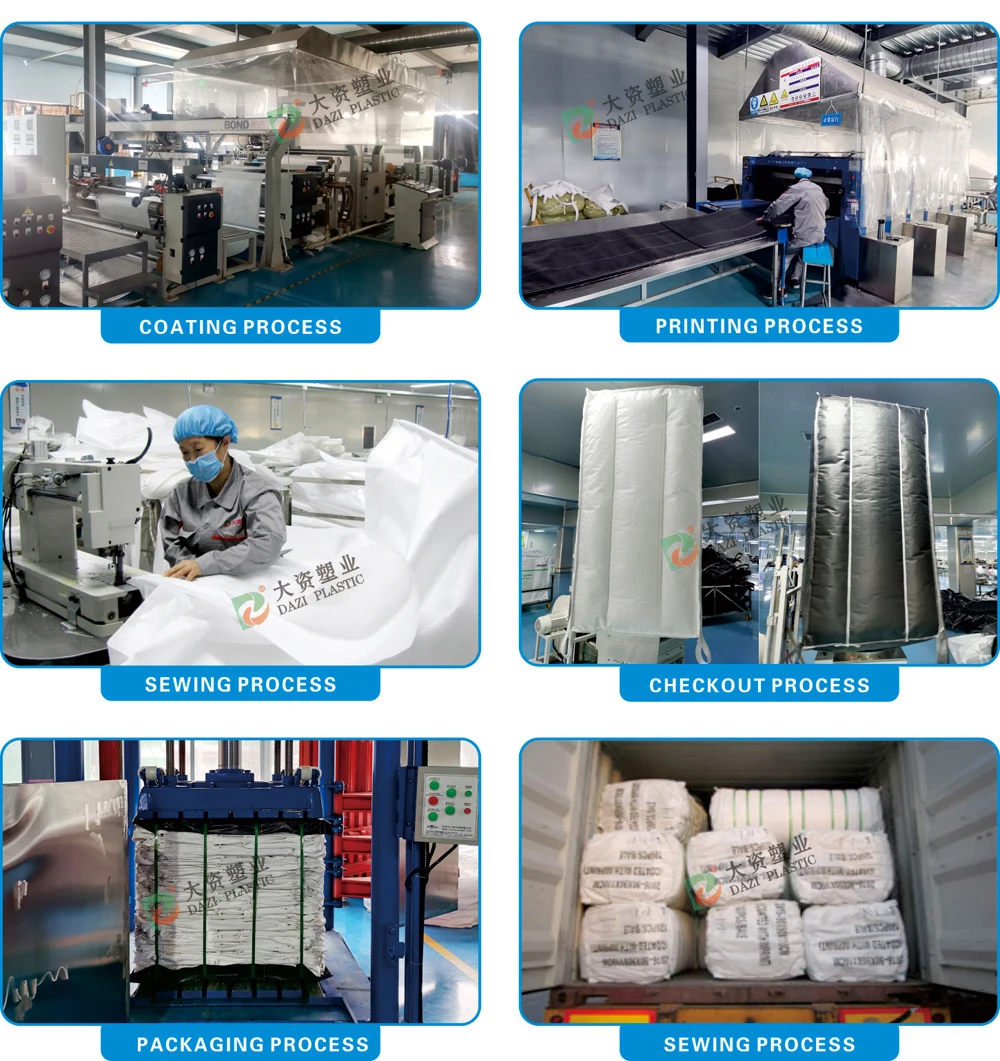
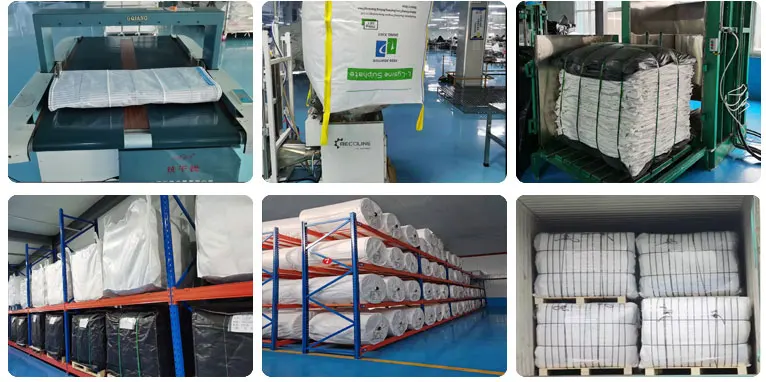
Granular and powder bulk cargo changes value the moment it loses purity. Moisture vapor seeps through a standard woven bag, foreign fibers drift in through weave gaps, residual dust from a previous load reacts with the next cargo, and static-charged powder clings to fabric walls where it degrades or cross-contaminates. Each of these failures is invisible at the loading dock, yet shows up later as rejected goods, off-spec material, customer claims and regulatory setbacks. A custom liner FIBC bag solves this problem at the source: it inserts a dedicated barrier between the cargo and everything around it, turning an open woven container into a sealed, predictable packaging system for granular and powder bulk transport.
Why the Outer Woven Fabric Alone Cannot Protect Cargo
FIBC fabric is engineered for strength, not for containment. The polypropylene weave that carries a one-ton load is, by design, porous: air moves through it freely, and with air come humidity, odors, microorganisms and fine particles from the surrounding environment. The same openness works in the opposite direction — ultra-fine powder migrates outward through micro-gaps, coating truck beds, warehouses and production floors, and taking material value with it.
Woven fabric also sheds. Surface fibers and lint separate during filling, stacking and vibration, dropping loose fragments into the cargo. For food ingredients, pharmaceutical intermediates and chemically sensitive powders, even tiny foreign fibers are enough to fail a quality inspection. This is why contamination control for granular and powder cargo cannot rely on the bag body alone: the liner is the actual sealing layer, while the woven shell provides the mechanical strength around it.
Contamination Routes a Liner Must Close
-
Moisture ingress: humid air reaches hygroscopic powder through fabric pores, causing caking, clumping and microbial growth.
-
Foreign particle entry: dust, dirt and airborne fibers pass through weave gaps during storage and transit.
-
Odor and flavor transfer: plasticizer, residual chemical and warehouse odor migrate into sensitive food and aromatic materials.
-
Cross-contamination: residual powder trapped in a reused woven shell contaminates the next cargo grade.
-
Static-driven contamination: electrostatically charged powder attracts dust and adheres to the wall, leaving residue that spoils subsequent loads.
-
Oxygen exposure: oxygen-sensitive ingredients oxidize, changing color, taste or chemical performance during long storage.
Custom Liner Material Options and Their Protection Profiles
The right liner starts with the right polymer, matched to the cargo's sensitivity and the logistics environment. Custom liner FIBC manufacturers build the barrier around the material's contamination risk, not around a one-size-fits-all film.
PE Film Liners — the Workhorse Moisture and Dust Barrier
Polyethylene film is the most widely used liner material for granular and powder cargo. It blocks moisture vapor, stops dust and foreign particles, and prevents cargo-to-fabric contact entirely. Food-grade PE grades comply with FDA and EU food contact standards, making them suitable for flour, sugar, salt, rice, feed additives and food ingredients. PE liners also keep discharge clean: the smooth film surface releases powder completely, reducing residual loss and simplifying bag disposal.
Aluminum Foil Laminated Liners — Full Barrier for Sensitive Cargo
When moisture, oxygen, light and aroma must all be excluded, foil-laminated liners provide the strongest protection profile. The aluminum layer reduces gas transmission to near zero, protecting oxygen-sensitive chemicals, spices, coffee, cocoa powder and pharmaceutical intermediates from oxidation and flavor loss during extended storage and ocean transit. Foil liners are the standard choice when a cargo's shelf life and sensory quality depend on absolute isolation from the atmosphere.
Conductive and Anti-static Liners — Preventing Contamination by Static
Fine powder generates strong static charge during pneumatic filling and discharging. Charged powder behaves like a contaminant: it clings to the woven wall, accumulates as residue, attracts airborne dust, and — with combustible materials — creates an ignition hazard. Conductive liners integrate a low-resistance path that dissipates charge to ground, keeping powder flowing cleanly out of the bag and preventing charge-driven dust adhesion. For combustible powders, the conductive liner also removes the electrostatic ignition source, adding a safety function to the contamination-control function.
Custom Design Elements That Decide Real-World Protection
Material selection alone does not guarantee contamination control. The liner's geometry, thickness and connection to the bag's openings determine whether the barrier holds through filling, transit, storage and discharge.
Full Bag Liner vs. Tubular Open-Top Liner
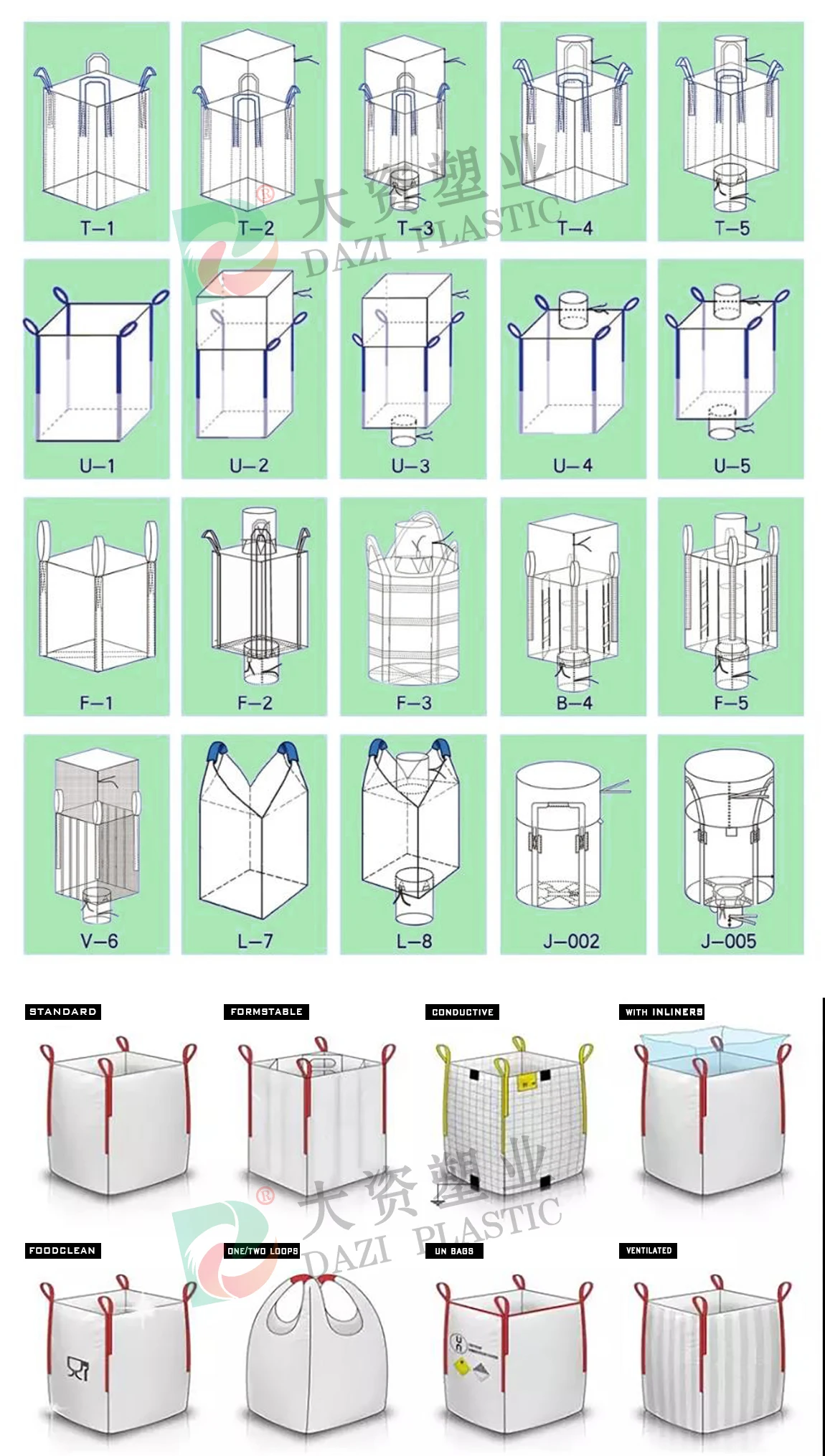
A full bag liner seals the entire cargo envelope and is preferred when the cargo must be isolated from the fabric for its entire life cycle. A tubular open-top liner is a simpler open-mouth insert, easier to load and discharge, and adequate when contamination risk is limited to moisture and dust. The choice follows the cargo's sensitivity: the more sensitive the material, the more complete the enclosure should be.
Liner Thickness Tailored to Cargo and Handling
Film thickness ranges from roughly 30 to 120 microns. Light, free-flowing powder can use a thinner film; sharp-edged granules, heavy minerals and cargo handled with mechanical fillers need thicker film to resist puncture and abrasion. Thicker liners also resist pinhole formation during folding and stacking, which is where most invisible moisture failures begin.
Spout-Connected Liners for Dust-Tight Filling and Discharge
Contamination most often enters at the two openings: the filling spout and the discharge outlet. Custom liner FIBCs can integrate the liner with the spout, so that the film itself forms the closure, sealed with tie-offs, cuffs or valves. This design prevents dust from escaping during filling, stops foreign matter from entering during storage, and keeps discharge clean without breaking the barrier. For automated plants, spout-connected liners align with filling nozzles and discharge stations, protecting both the product and the working environment.
One-Piece Construction Reduces Weak Seams
Every seam in a liner is a potential failure point where moisture or powder can pass. Custom liners can be manufactured as one-piece constructions with folded corners instead of multiple glued or heat-sealed panels. Fewer seams means fewer pinhole risks, stronger seals and more consistent barrier performance across the whole batch.
Compliance Evidence: What Buyers Should Ask For
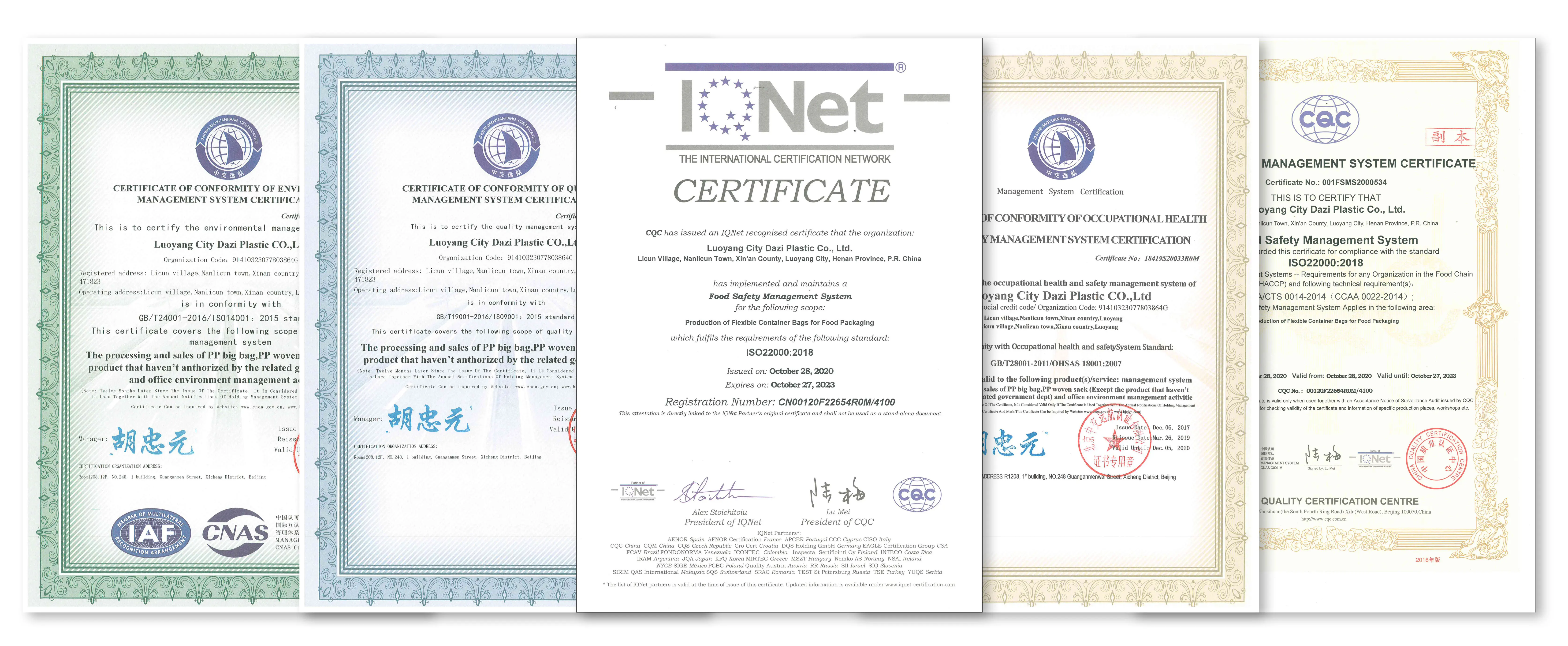
Contamination claims are only as strong as the documentation behind them. For food and pharmaceutical cargo, buyers should request liners manufactured from resins that comply with FDA 21 CFR and EU Regulation 10/2011 food contact requirements, with supporting test reports. For chemical and hazardous powders, the liner should be accompanied by anti-static test documentation and, where required, UN certification for the complete packaging system. Batch-level consistency statements, clean production records and allergen-segregation controls are equally important for buyers who export to regulated markets, because customs and end-customer audits rely on documented evidence rather than supplier descriptions.
Practical Selection Logic for Granular and Powder Cargo
-
Define the contamination risk first: identify whether the cargo is threatened by moisture, oxygen, odor, static or foreign particles — then choose the liner family that closes that specific route.
-
Match liner thickness to particle geometry: fine powder tolerates thinner film; sharp or heavy granules require thicker, puncture-resistant film.
-
Check opening design against your process: spout-connected and valve liners suit automated filling and dust-controlled discharging; open-top tubular liners suit simple manual operations.
-
Verify food and hazardous compliance: request FDA, EU 10/2011, anti-static and UN test documentation before bulk ordering.
-
Confirm batch consistency: require same-resin, same-specification liners across the order to keep contamination control uniform from the first bag to the last.
Conclusion
Custom liner FIBC bags are the most direct way to protect granular and powder bulk cargo from the contamination that standard woven packaging cannot prevent. By selecting the right liner polymer, thickness and opening design, and by verifying the compliance documentation behind them, bulk shippers turn a simple transport container into a sealed, grade-preserving system. The payoff appears in fewer rejected loads, lower material loss, cleaner facilities and stronger customer trust — benefits that compound with every shipment.