Outdoor raw material storage is one of the harshest service scenarios for FIBC bulk bags. Unlike indoor turnover and short-distance transportation, open-air stacking exposes bulk packaging to long-term ultraviolet radiation, alternating high and low temperatures, humid wind and rain erosion, and strong seasonal climate changes. Standard ordinary FIBCs woven with pure polypropylene are extremely sensitive to UV rays. Prolonged sunlight exposure will break PP molecular chains, causing irreversible aging problems such as fabric hardening, brittleness, fading, tensile attenuation and stitching cracking, which easily lead to bag rupture and raw material leakage. Selecting professional anti-UV FIBC bulk bags tailored for outdoor storage is the core solution to extend packaging service life, eliminate outdoor storage safety hazards and reduce long-term replacement costs. This article shares a systematic, scenario-based selection guide for outdoor-grade anti-UV FIBCs, helping enterprises avoid aging failure risks in raw material open-air warehousing.
Why Standard FIBCs Fail Rapidly in Outdoor Storage Environments
The fundamental aging mechanism of ordinary bulk bags outdoors lies in ultraviolet photodegradation. Polypropylene molecular chains absorb UV energy under continuous sunlight irradiation, generating active free radicals that trigger molecular chain fracture and cross-linking failure. Visible degradation symptoms include gradual fabric whitening and fading, loss of original toughness, surface powdering and brittle texture. In severe cases, the bag body cannot bear stacking load and lifting tension, resulting in sudden breakage and material loss.
Most outdoor storage scenarios feature multi-factor composite aging: high-temperature solar radiation accelerates molecular aging speed, humid air and rainwater penetrate fabric gaps to aggravate fiber fatigue, and long-term static stacking pressure combines with UV damage to form structural fatigue. These superposed factors make ordinary FIBCs completely lose their protective performance within 1–3 months of outdoor placement, bringing frequent replacement costs and unstable storage safety risks for bulk raw materials such as minerals, chemical granules and industrial auxiliary materials.
Core Identification Standards for Qualified Anti-UV FIBCs
1. Ingot Blending UV Stabilization Process Instead of Surface Coating
The biggest selection pitfall for anti-UV FIBCs is confusing surface spraying treatment with integrated blending stabilization. Low-cost fake anti-UV bags only coat UV-resistant agents on the fabric surface. The coating layer will fall off quickly after rain washing, friction and outdoor wind erosion, with zero residual anti-UV effect.
Genuine outdoor-grade anti-UV FIBCs adopt one-time ingot blending technology: high-efficiency HALS light stabilizers and antioxidant masterbatches are uniformly mixed into virgin PP raw materials before weaving. The anti-UV components penetrate every fiber molecule, achieving permanent anti-aging performance that will not fail due to external friction and rain erosion. This integral stabilization process ensures consistent UV resistance throughout the entire fabric service cycle, which is the essential standard for distinguishing professional outdoor FIBCs.
2. Graded UV Resistance Matching Based on Outdoor Exposure Cycle
Anti-UV FIBCs have clear graded performance differences, and blind selection of universal models will cause performance redundancy or insufficient protection. According to international outdoor aging test standards, anti-UV bulk bags are divided into three core grades for differentiated scenario matching:
-
Basic anti-UV grade: Suitable for 3–6 months short-term outdoor staging, applicable for seasonal temporary stacking and rapid material turnover scenarios
-
Standard outdoor grade: Stably resists UV aging for 6–12 months, adapting to conventional annual outdoor raw material storage and cross-season stacking
-
Enhanced high-weather-resistance grade: Supports 12–24 months long-term open-air storage, specially designed for high-UV intensity areas, high-temperature tropical climates and long-cycle static storage
Enterprises need to select corresponding UV resistance grades according to local solar radiation intensity and actual storage cycle, avoiding safety hazards caused by under-grade configuration and cost waste from over-specification.
3. Virgin PP Fabric Guarantee for Stable Anti-Aging Performance
Recycled PP materials contain impurity molecules and residual degraded molecular chains, which will seriously interfere with the activity of UV stabilizers. Even with added anti-UV masterbatches, recycled fabric FIBCs still face rapid aging and strength attenuation outdoors. Qualified outdoor anti-UV FIBCs must use 100% virgin polypropylene raw materials with high purity molecular structure, which can fully cooperate with UV stabilizers to neutralize free radicals and delay molecular aging.
Virgin fabric anti-UV FIBCs can maintain more than 80% of the original tensile strength after one year of outdoor exposure, while recycled material anti-UV bags will lose more than 50% of their strength in the same cycle, completely losing stacking and lifting safety performance.
Key Structural Configurations for Outdoor Storage Anti-UV FIBCs
Reinforced Anti-Aging Stitching & Stress Points
Fabric aging is not the only failure point for outdoor FIBCs. Ordinary stitching threads lack UV resistance and will age and break earlier than the bag body fabric, causing seam cracking and material leakage. Professional outdoor anti-UV FIBCs adopt specially customized UV-resistant high-strength sewing threads, matching the fabric’s anti-aging life cycle. Meanwhile, vulnerable parts such as lifting loops, bottom corners and spout connections adopt multi-layer reinforcement and dense stitching to avoid local failure caused by priority aging of stress points, ensuring the overall structural durability of the bulk bag.
Weather-Resistant Functional Matching for Complex Outdoor Climates
Outdoor storage is often accompanied by high humidity, rainwater erosion and dust accumulation. High-quality anti-UV FIBCs can be equipped with integrated moisture-proof lining, dust-proof sealing structure and rain-proof skirt customization according to climate characteristics. The composite design of UV resistance, moisture resistance and dust resistance solves multiple outdoor storage pain points such as material damp deterioration, dust pollution and UV aging damage, realizing all-weather protection for stored raw materials.
Compliance & Testing Verification for Industrial-Grade Anti-UV FIBCs
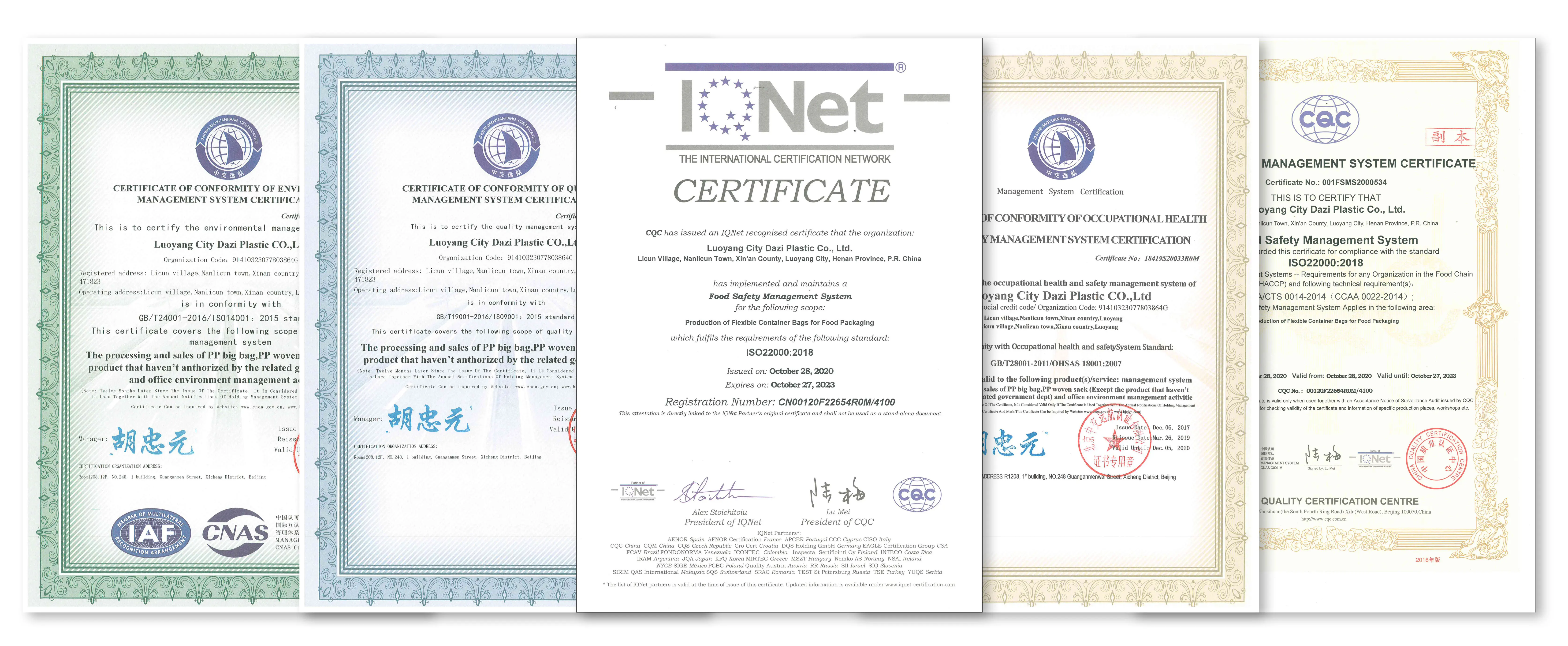
Reliable anti-UV performance must be supported by standardized aging test data instead of nominal labels. Formal outdoor-grade FIBC suppliers can provide professional test reports compliant with ISO 4892 and ASTM G154 UV aging standards, verifying the fabric strength retention rate and appearance change after simulated long-term UV irradiation. For food-grade raw materials and chemical hazardous material outdoor storage, it is also necessary to confirm that the anti-UV masterbatch and fabric meet REACH and food-grade safety standards to avoid raw material contamination risks.
Practical Selection & Usage Tips to Extend Service Life
First, match the UV grade according to regional climate: tropical and subtropical high-UV intensity areas must use enhanced anti-UV FIBCs, while temperate regions with mild sunlight can choose standard grades to balance cost and performance. Second, avoid long-term direct stacking in low-lying water accumulation areas, as humid environments will accelerate fiber aging. Third, cooperate with auxiliary sunshade tarps for ultra-long-term storage to further reduce direct UV exposure and extend bag service life. Regular visual inspection of fabric hardening, fading and stitching tightness can effectively prevent sudden packaging failure.
Conclusion
Choosing qualified anti-UV FIBC bulk bags for outdoor raw material storage requires abandoning the simple low-price selection logic and focusing on core indicators such as integral blending anti-UV process, graded aging resistance cycle, virgin fabric quality and overall structural weather resistance. Professional outdoor-specific anti-UV FIBCs can resist long-term ultraviolet radiation and complex climate erosion, maintain stable structural strength and sealing performance, and effectively reduce packaging replacement costs and raw material loss risks. For industrial enterprises with large-scale outdoor raw material warehousing demands, scientific anti-UV FIBC selection is an important cost-control and safety-guarantee measure for standardized bulk material storage management.