For industrial manufacturers, mineral processors, agricultural exporters, and chemical logistics companies, bulk packaging expenses have always been one of the most rigid recurring operational costs. Most enterprises instinctively choose low-priced single-use FIBC bulk bags to reduce short-term spending. However, cheap disposable jumbo bags often lead to high damage rates, frequent repurchases, cargo losses, and hidden logistics fines. This raises a core industry question:Can reusable FIBC bulk bags effectively cut industrial packaging costs in the long run? The definitive answer is yes. When deployed with standardized usage, cleaning, and storage management, high-quality reusable FIBC bulk bags deliver significant long-term cost savings, far exceeding the economic benefits of disposable packaging solutions.
The Hidden Cost of Disposable Single-Use FIBC Bags
To understand the cost advantages of reusable FIBC bulk bags, enterprises must first clarify the hidden losses caused by disposable packaging. Although single-use FIBCs feature a low unit price, they carry multiple invisible long-term costs that are easily overlooked in financial accounting.
First, disposable jumbo bags adopt low-density weaving, recycled materials, and low safety factor design, resulting in high rupture and leakage rates during lifting, stacking, and transportation. Damaged bulk bags directly cause material loss, product contamination, and order return losses, which far exceed the saved packaging costs. Second, disposable bags cannot be recycled after use, generating continuous packaging procurement expenses and increasing waste disposal and environmental management costs.
In addition, unstable disposable bag quality leads to inconsistent loading safety, increasing the risk of logistics accidents, customs inspection failures, and delayed shipments. For long-term and large-volume bulk material enterprises, these accumulated hidden costs form a heavy economic burden throughout the supply chain.
How Reusable FIBC Bulk Bags Reduce Long-Term Industrial Packaging Costs
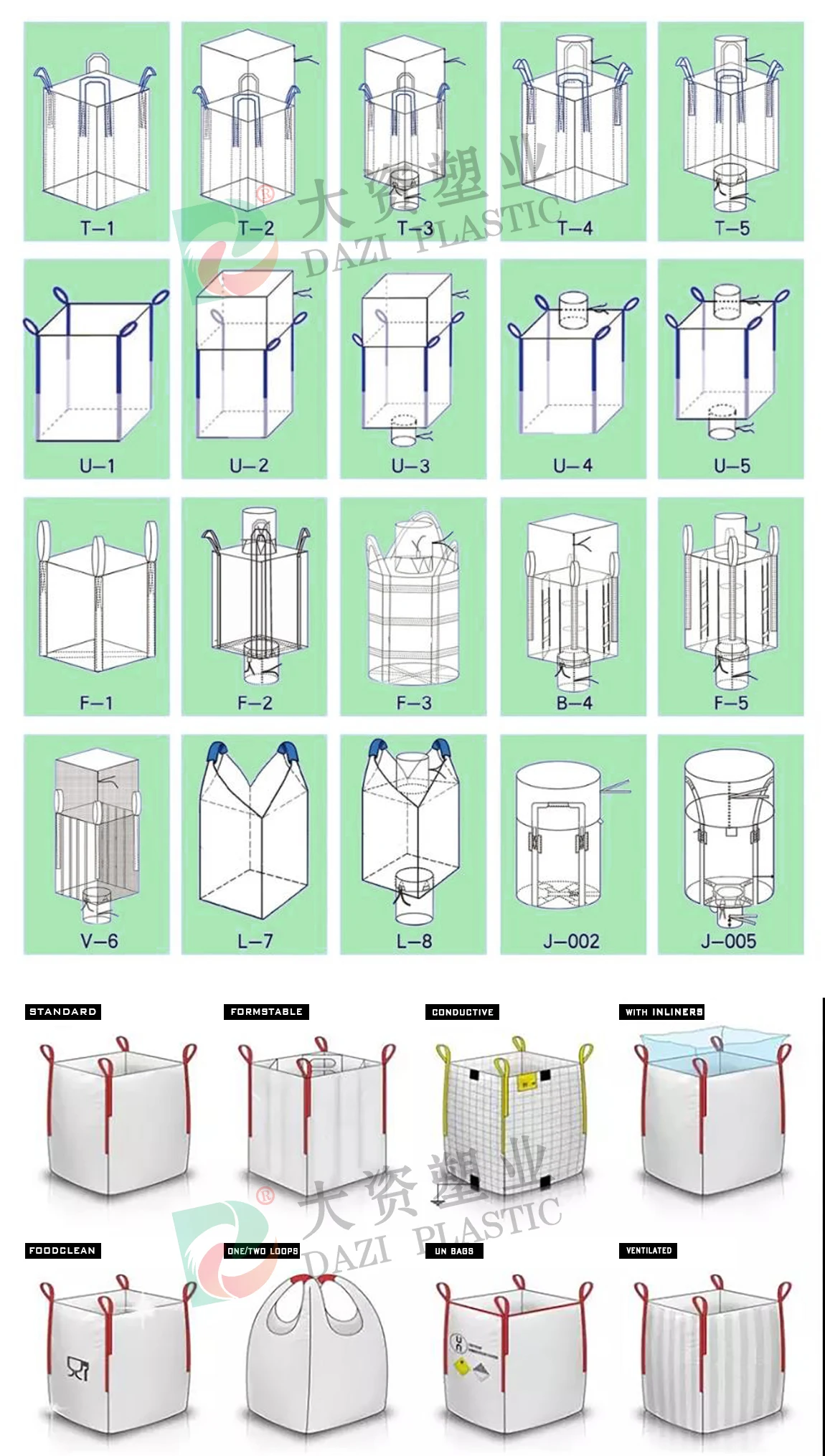
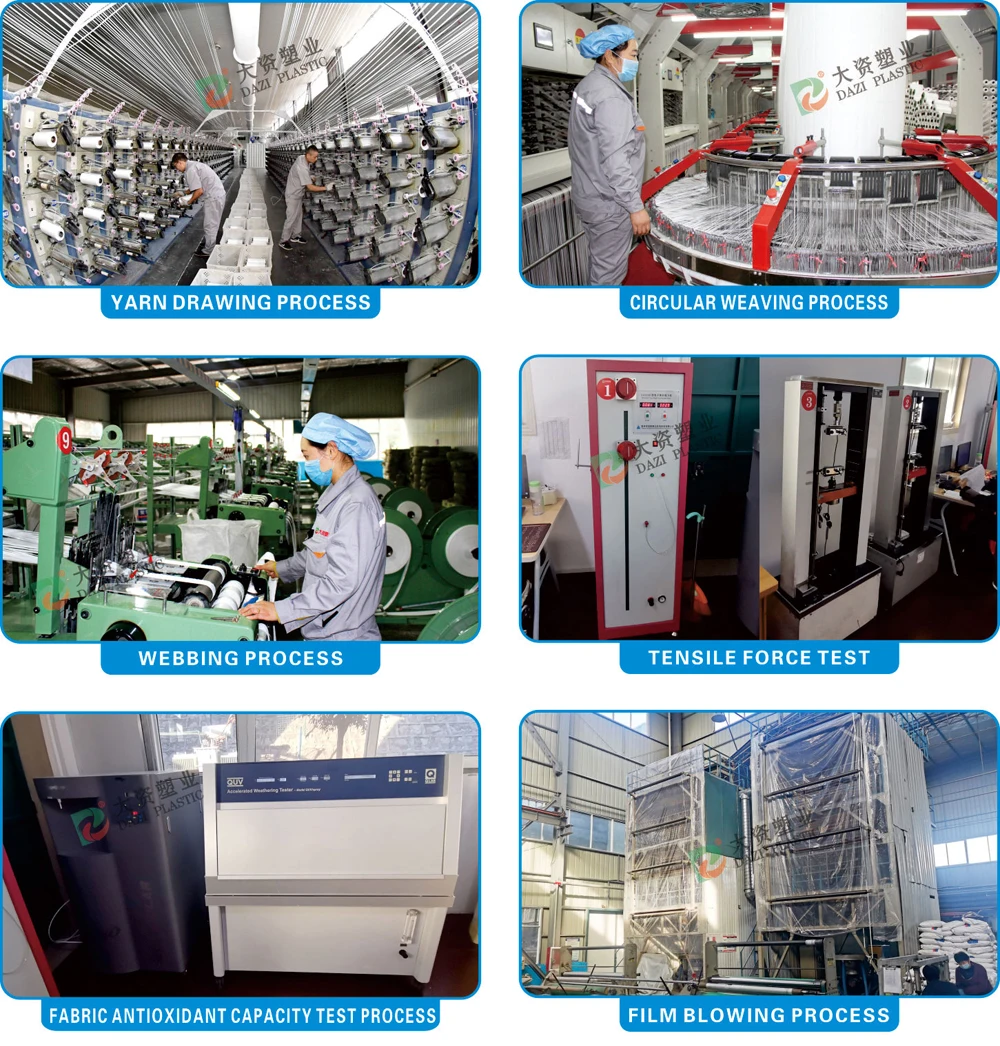
High-quality reusable FIBC bulk bags are engineered with heavy-duty structures, 6:1 industrial safety factors, virgin PP woven fabrics, and reinforced stitching craftsmanship. These core quality upgrades support multiple turnover cycles, forming a low-cost and circular packaging model for industrial logistics. Their long-term cost-saving advantages are mainly reflected in five dimensions.
1. Dramatically Lower Recurring Procurement Costs
A qualified reusable FIBC jumbo bag can be reused 5 to 15 times according to different industrial scenarios, while disposable bags can only be used once. Although the unit purchase cost of reusable FIBCs is slightly higher, the average single-use cost is greatly reduced after average amortization. For enterprises with stable long-term bulk transportation demand, reusable bulk bags can cut annual packaging procurement expenses by 40%–60%, forming obvious cost advantages in annual financial settlement.
2. Eliminate Cargo Loss and Damage Costs
Reusable FIBC bulk bags adopt thickened wear-resistant fabric, reinforced stress points, and stable sealing structure, with an extremely low damage and leakage rate. They effectively avoid material leakage, moisture contamination, and impurity mixing caused by packaging rupture during storage and transportation. For high-value chemical raw materials, food grains, and fine mineral powders, zero cargo loss brought by high-quality reusable FIBCs creates huge invisible economic benefits.
3. Save Waste Disposal & Environmental Management Fees
Disposable FIBCs generate massive plastic waste after each shipment, requiring manual cleaning, waste classification, and professional disposal, which increases environmental management costs. Reusable bulk bags greatly reduce waste generation through cyclic use, lower corporate environmental pressure, and avoid environmental fines and green supply chain assessment risks. Meanwhile, reusable and recyclable packaging helps enterprises meet global carbon neutrality and green trade standards, supporting sustainable business development.
4. Improve Logistics Efficiency to Reduce Comprehensive Costs
Reusable FIBC bulk bags feature standardized sizing, stable structural shaping, and high stacking tolerance. They optimize container loading rates and warehouse space utilization, improving single-vehicle and single-container cargo volume. Stable packaging quality also reduces repeated sorting, repackaging, and cargo inspection delays, greatly improving overall logistics turnover efficiency and cutting labor and time costs.
5. Reduce Safety Accident & Compliance Risks
Low-quality disposable FIBCs are prone to sudden rupture during lifting, easily causing safety accidents and cargo damage compensation. Reusable industrial-grade FIBCs pass strict tensile, drop, and aging tests, with stable safety performance and compliant certification. They eliminate safety hazards and non-compliance risks in industrial transportation, avoiding accident compensation, order penalties, and customs clearance delays.
Real Long-Term Cost Comparison: Reusable vs Disposable FIBC Bags
From a short-term perspective, disposable FIBCs have a lower upfront investment. But from a long-term operating cycle of 1–3 years, reusable FIBC bulk bags show absolute cost advantages. After amortizing the initial purchase cost through multiple cycles, reusable packaging has a far lower single-time use cost than disposable products. Coupled with zero cargo loss, zero waste discharge, and high-efficiency logistics benefits, reusable FIBCs become the most cost-effective solution for continuous bulk industrial production and transportation.
Key Conditions to Maximize Reusable FIBC Cost-Saving Effects
To achieve ideal long-term cost reduction, enterprises need to match standardized usage and maintenance management for reusable FIBC bulk bags.
-
Select qualified heavy-duty reusable FIBCs: Prioritize products with 6:1 safety factor, virgin PP material, and overall reinforcement to ensure multiple cyclic usability.
-
Standardize cleaning and storage: Clean residual materials after use, dry thoroughly, and store in a dry and ventilated environment to avoid mold, aging, and brittle damage.
-
Classify scenario usage: Distinguish food-grade, chemical-grade, and ordinary industrial reusable bags to avoid cross-contamination and extend service life.
-
Regular inspection and screening: Eliminate aging and damaged FIBCs regularly to ensure transportation safety and stable reuse efficiency.
Which Industries Are Most Suitable for Reusable FIBC Cost Reduction?
Reusable FIBC bulk bags are particularly suitable for enterprises with fixed bulk material types, stable transportation volume, and long-term continuous logistics demand, including grain and agricultural product transportation, chemical granular material turnover, mineral and construction bulk cargo logistics, and plastic raw material packaging. These industries can form stable cyclic usage scenarios and maximize long-term cost-saving benefits.
Final Verdict
Reusable FIBC bulk bags can definitely cut your industrial packaging costs in the long term. While increasing a small amount of initial investment, they greatly reduce recurring procurement costs, cargo loss expenses, waste disposal fees, and logistics hidden costs. For modern industrial enterprises pursuing refined cost control, safe production, and green sustainable development, reusable heavy-duty FIBC bulk bags are not only a packaging choice but also a practical long-term cost-saving strategy for bulk supply chain management.