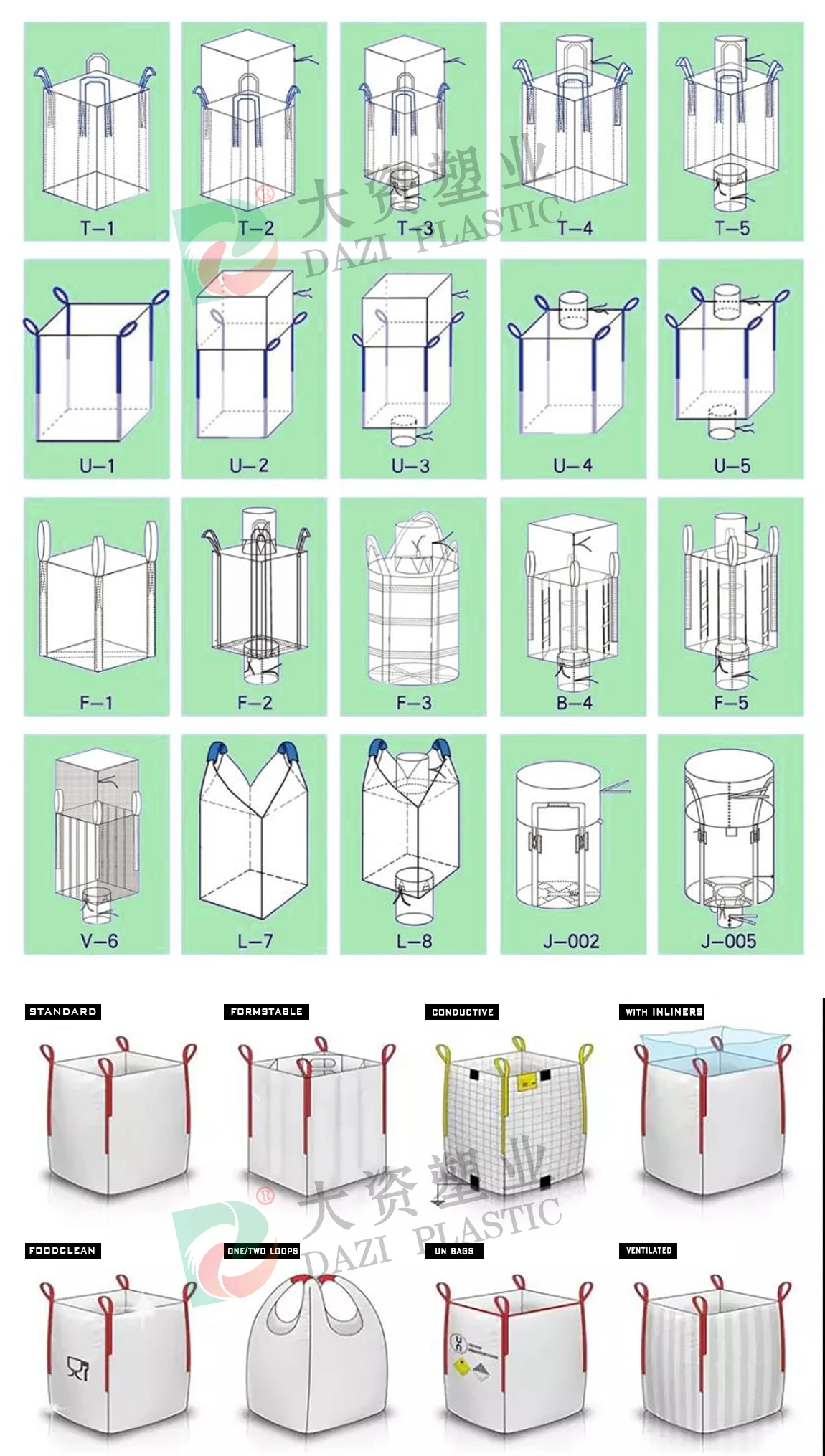
Automatic docking heads clamp or seal onto the spout at a specified diameter and length. A spout that is cut short, sewn off-center or varies in circumference will leak, slip or fail to seal — the line stops, and every bag after it is suspect. Custom spouts are produced to a controlled diameter, straight cut and consistent sewing position, so the automatic head locates the same way on every bag, cycle after cycle.
Sealed, Dust-Free Docking
Powder filling in an automatic system generates dust at the exact point where the bag meets the machine. A properly sized spout that seals against the filling head contains that dust inside the system, protecting the working environment, the weighing accuracy and the product itself. For fine powders, the spout can be combined with a dust-tight closure and a liner sleeve that ties off after filling, closing the bag completely before it leaves the station.
Spout Geometry Matched to the Filling Head
Different automatic systems use different connection styles: clamp rings, inflatable seals, bayonet fittings or simple tie-off sleeves. Custom manufacturing matches the spout to the customer's filling head — diameter, skirt length, reinforcement and closure type — so the bag is part of the machine interface rather than an obstacle to it.
Why Automatic Filling Demands Dimensional Consistency
Automatic lines suspend the bag from a hook, frame or hanger while it fills. The bag's overall height, loop position and body symmetry determine whether it hangs straight, fills evenly and releases cleanly.
-
Consistent height: a bag that hangs at the wrong height skews the docked position and can trigger seal failures.
-
Balanced loops: four lifting loops of equal length keep the bag vertical during filling, so material distributes evenly instead of piling on one side.
-
Stable body dimensions: uniform body width and length keep the bag centered in the filling frame and prevent rubbing against the equipment.
These are manufacturing tolerances, not marketing claims. A supplier that controls sewing dimensions and inspects finished bags against a specification delivers a bag that behaves the same in automated handling as it did during the trial.
Managing Air, Dust and Accuracy in Automatic Filling
Powder and granules behave differently in an automated fill, and the bag design must follow the material.
Powders: Air Release and Bridge Prevention
Fine powders entrain air as they flow. In a fast automatic fill, that air must escape without carrying dust out of the bag or causing the material to bridge in the spout. Designs for powders pair a correctly proportioned fill opening with venting paths or a breathable liner construction, letting air release while the powder settles to a stable, measurable weight. A wider, smoothly finished spout also reduces the chance of powder hanging up at the neck.
Granules: Flow Rate and Fill Uniformity
Granules flow freely and fill quickly, so the limiting factor becomes even distribution and avoiding impact damage. A straight, unobstructed spout lets granules drop in a steady stream, while consistent body dimensions ensure the pile forms evenly and the bag reaches target weight without overfill corrections.
Automatic Line Requirements and Bag Design Response
|
Automation Requirement
|
What Goes Wrong Without It
|
Custom Bag Design Response
|
|
Docking precision
|
Leak, slip, seal failure
|
Controlled spout diameter and length
|
|
Dust containment
|
Dust escape, weight error
|
Sealed docking sleeve, dust-tight closure
|
|
Stable hanging
|
Skewed fill, uneven load
|
Equal-length loops, symmetric body
|
|
Weight accuracy
|
Overfill, underfill, rework
|
Consistent dimensions, vented fill
|
|
Clean release
|
Material bridging at the neck
|
Smooth finished spout, correct bore
|
Commissioning a Bag on an Automatic Line
Even a well-made bag needs a commissioning step before full production. Run a trial batch on your actual filling equipment: verify that the spout docks and seals without adjustment, that the bag hangs vertical, that fill weight lands within tolerance across a full run, and that the closure operates reliably after filling. Confirm bag dimensions against the machine drawing rather than the sample's appearance. Record the approved specification and hold every subsequent delivery to it — automatic lines tolerate variation far less than people do, and a locked specification is what keeps the line running.
Selection Checklist for Automatic Filling FIBCs
-
Provide the filling head drawing: spout diameter, skirt length and connection type.
-
Specify bag height and loop length to suit the hanger or frame geometry.
-
Confirm the material type — powder or granules — to set venting and spout bore.
-
Choose closure type: tie-off sleeve, iris closure or valve, matched to the line.
-
Request dimensional inspection data and sewing tolerance records for each lot.
-
Run a trial batch on your own equipment and lock the approved specification.
Conclusion
Custom FIBC jumbo bags with a discharge spout are built for automatic filling, where the bag is not a loose container but a precisely toleranced component of the production line. The discharge spout becomes the docking interface, the body dimensions become machine specifications, and the material-specific venting keeps powder and granules filling accurately and cleanly. For plants automating their bulk packaging, specifying the bag against the machine — and verifying it on the line — turns filling from a labor-dependent step into a repeatable, measurable process.