Outdoor Storage Demands Two Protections at the Same Time
Minerals and grain stored outdoors face a double attack that indoor storage never sees. From above, the sun bombards the bag with ultraviolet radiation that ages the fabric day by day. From inside, the weight of the stored material pushes against the walls, and without internal restraint the bag rounds out into an unstable, bulging shape. UV stabilized baffle FIBC jumbo bags are built for exactly this combination: a woven shell that resists solar aging, plus internal baffle panels that hold a stable, square form under load. Together they keep mineral and grain stockpiles safe, stackable and loss-free through months of open-yard exposure.
Why Bulging Is Dangerous in Outdoor Storage
A filled FIBC without internal support behaves like a balloon: walls stretch outward, the bag becomes round and the top rises unevenly. In a stacked outdoor yard, bulging bags create a chain of problems.
-
Stack collapse: rounded bags lean against each other on small contact points, making tall stacks unstable and prone to toppling.
-
Water pooling: uneven rounded tops collect rainwater and dew in hollows, letting moisture sit against the fabric and work its way toward the cargo.
-
Space waste: irregular shapes leave wedge gaps between bags, wasting yard and container space.
-
Fabric stress: uncontrolled stretching concentrates load at seams and corners, shortening the bag's service life.
How Baffle Construction Prevents Bulging
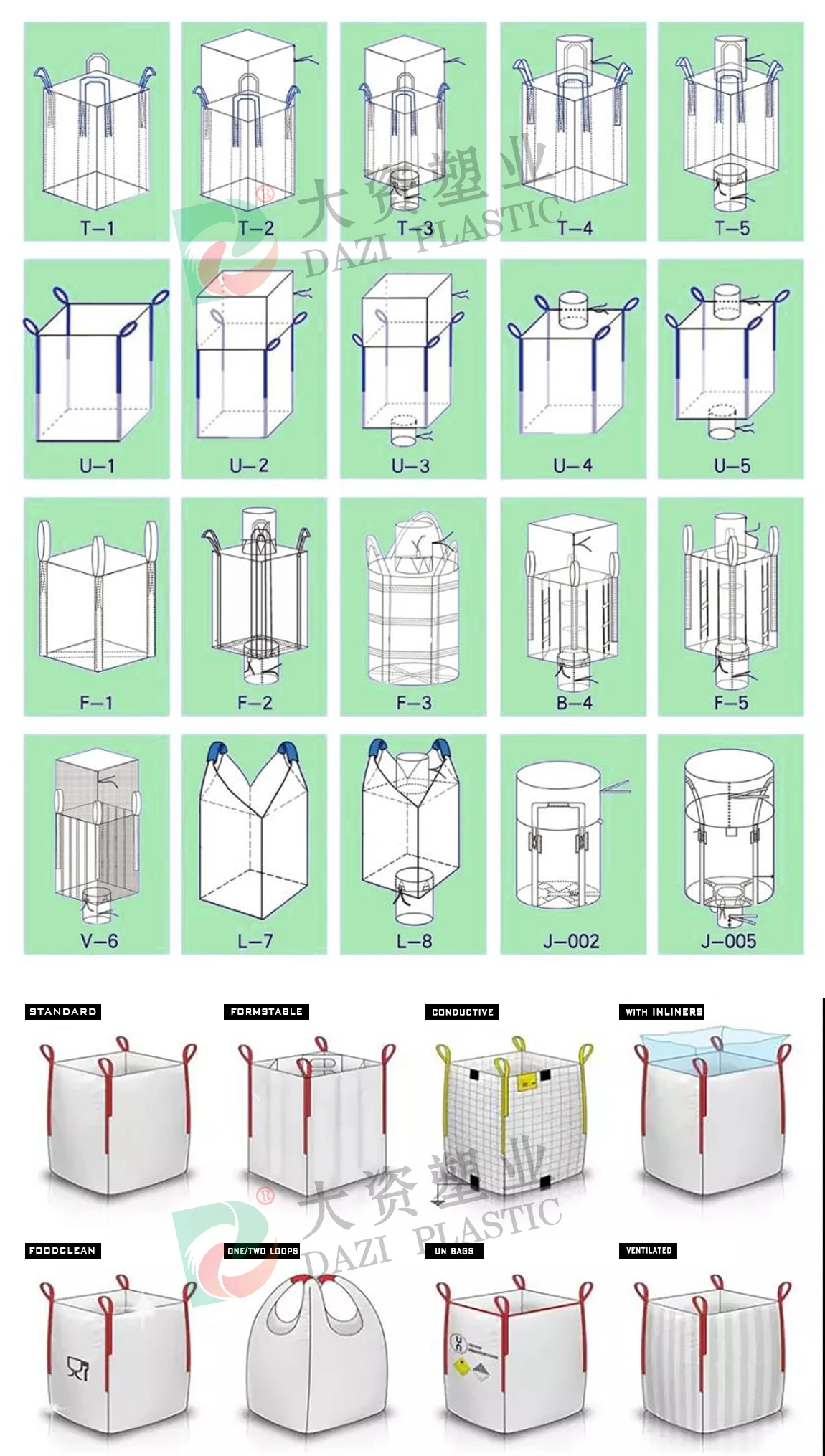
The anti-bulging function comes from internal baffle panels — fabric panels sewn inside the bag and anchored to the side walls. When material is loaded, these panels hold the wall fabric in position, preventing the outward stretch that produces a round belly. The filled bag keeps a square cross-section with vertical sides and a level top, dimensionally close to its nominal size.
This controlled shape changes outdoor storage in practical ways: bags stack level and stable, water runs off the flat tops instead of pooling, and yard planners know exactly how much space each bag occupies. For grain and mineral stockpiles that sit for weeks or months, the difference between a level stack and a bulging, tilting one is the difference between routine management and constant re-stacking.
How UV Stabilization Protects Long Outdoor Life
UV aging attacks the polypropylene molecule itself. Sunlight triggers photo-oxidation that breaks polymer chains, turning strong fabric into chalky, brittle material that loses tensile strength and tears under load. The visible warning signs — whitening, surface powdering, stiffness — appear long before the fabric fails, and by then the bag's lifting and stacking safety is already compromised.
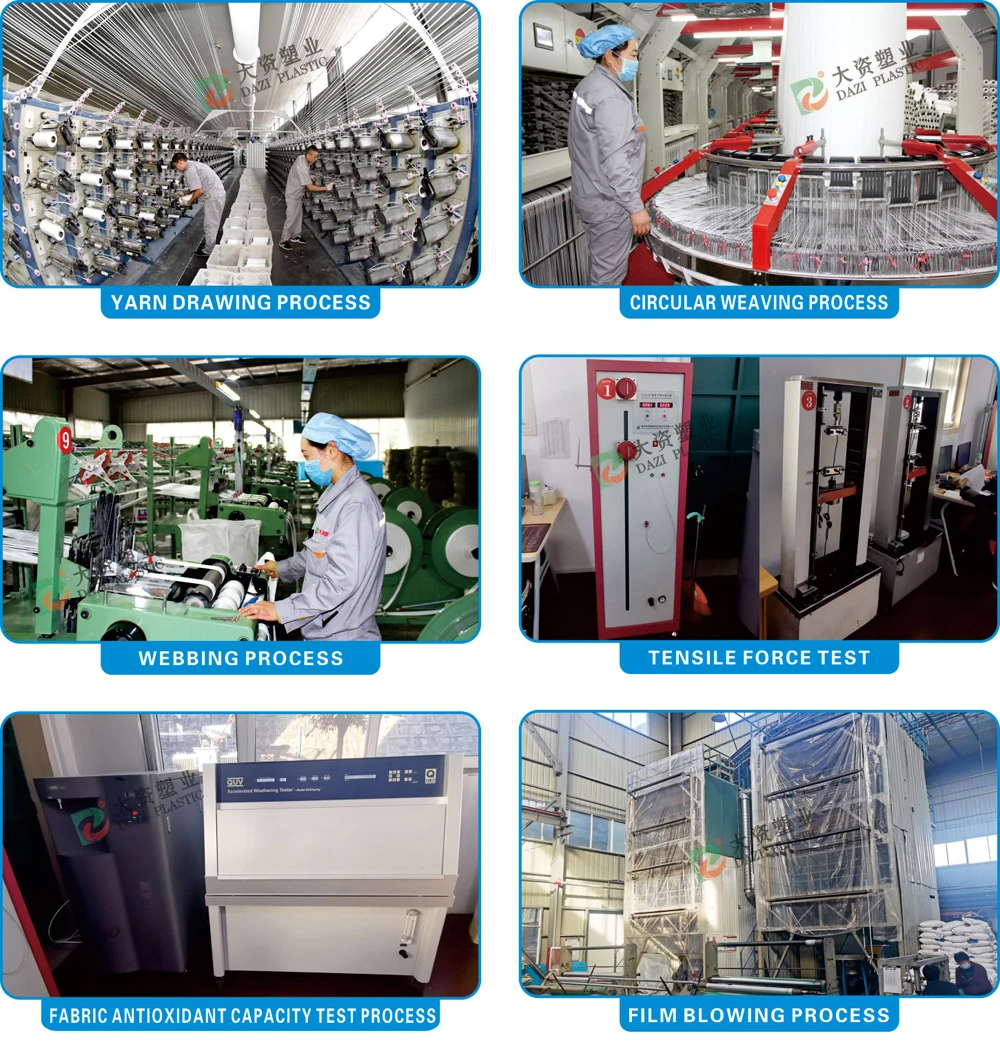
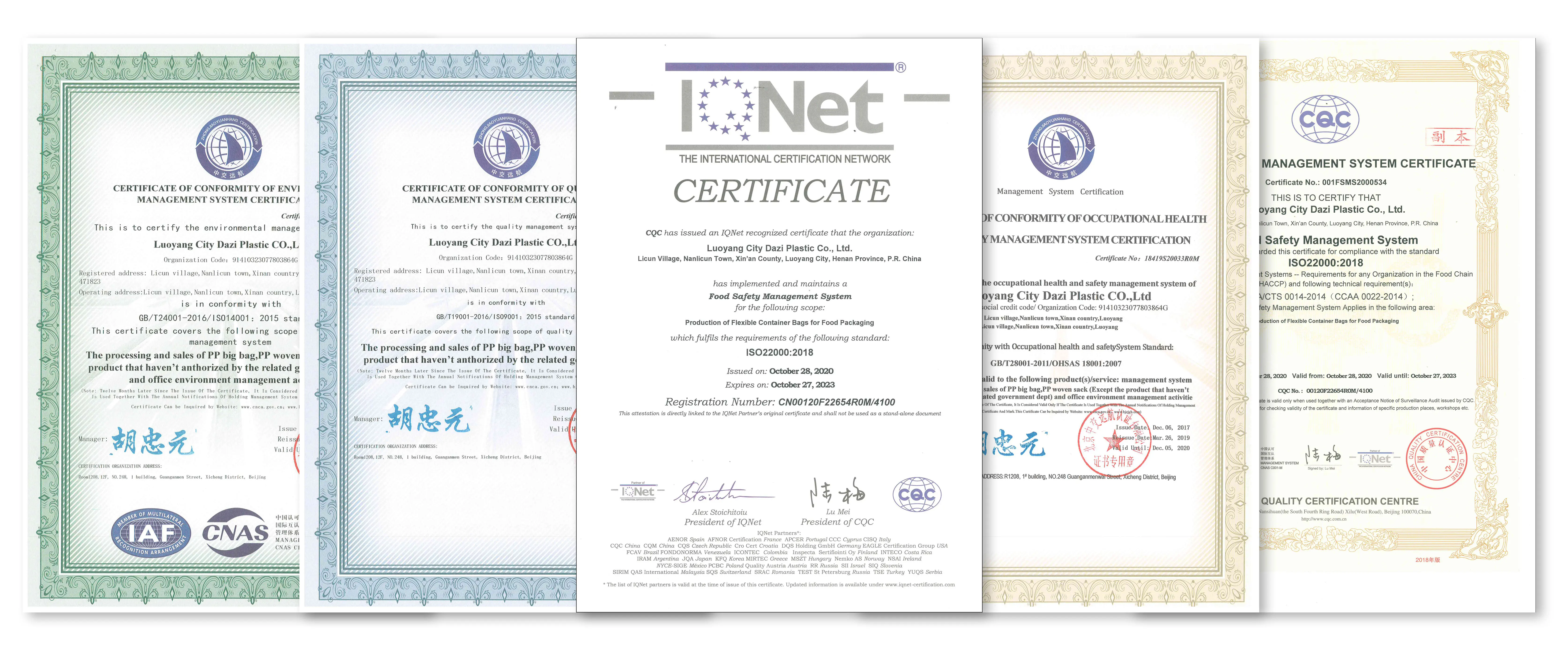
Professional UV stabilization is built into the resin before weaving. Light stabilizers and antioxidants are blended into the polypropylene melt, so every fiber carries the protective chemistry throughout its life. Unlike surface treatments that wash away in rain, this in-ingot stabilization protects the entire cross-section of the yarn and keeps the fabric's strength retention high through prolonged sun exposure. Combined with the dimensional stability from baffle panels, the bag resists the two independent failure mechanisms that shorten outdoor FIBC life.
Design Tailored to Minerals and Grain
Minerals and grain place heavy, abrasive and moisture-sensitive demands on packaging, and the outdoor scenario raises them further.
Heavy-Duty Fabric and Safety Factor
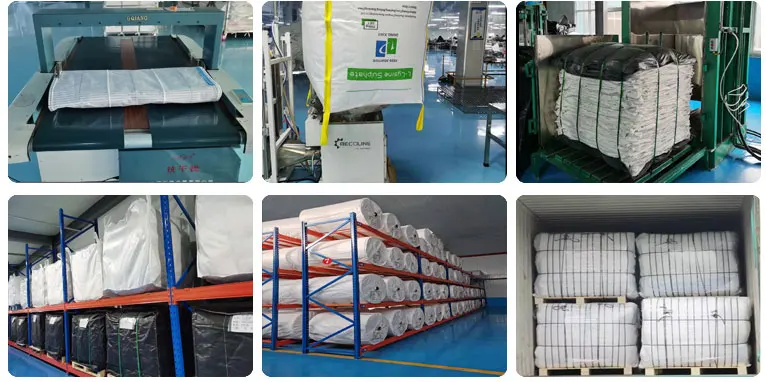
Mineral concentrates and grain are dense materials that push hard against the walls. UV stabilized baffle FIBCs for these cargoes use high-weight woven fabric with a proper safety factor for stacking and lifting, so the bag holds its shape and its load through repeated handling in the yard.
Moisture and Dust Protection
Grain absorbs moisture that can trigger spoilage; fine mineral powders dust and drift. Custom liners or coated fabric can be added inside the baffle structure without giving up the anti-bulging benefit, keeping rain, dew and dust away from the cargo while the outer shell holds both shape and strength.
Handling and Access Features
Top fill spouts and bottom discharge openings keep loading and unloading practical in open yards, while reinforced lifting loops withstand the repeated forklift and crane cycles of outdoor logistics.
|
Performance Factor
|
Standard FIBC
|
UV Stabilized Baffle FIBC
|
|
Filled shape
|
Rounds out under load
|
Square, level, anti-bulging
|
|
Outdoor service life
|
Ages, chalks, weakens
|
UV-stabilized, strength retained
|
|
Stacking safety
|
Unstable, tilting risk
|
Level, multi-layer stable
|
|
Rainwater behavior
|
Pools on uneven tops
|
Runs off flat surfaces
|
|
Moisture protection
|
Limited
|
Optional liner / coating
|
Typical Outdoor Storage Scenarios
-
Mineral stockpile yards: concentrates and ores stored between shipments under open sun.
-
Grain storage beside silos: seasonal harvests staged outdoors before drying or milling.
-
Port and terminal yards: mineral and grain consignments waiting for vessel loading.
-
Agricultural cooperatives: bulk feed and grain held in open compounds across seasons.
Selection Checklist for Outdoor Mineral & Grain Storage
-
Confirm the UV stabilization is in-ingot blended, not surface coated, and request weathering test data.
-
Specify baffle configuration and nominal dimensions for your stacking plan and space.
-
Match fabric weight and safety factor to the cargo's bulk density and stack height.
-
Decide whether a liner or coated fabric is needed for moisture-sensitive grain or dusty minerals.
-
Select fill and discharge openings suited to yard equipment and downstream handling.
-
Request strength-retention and dimensional test reports for the combined design.
Conclusion
UV stabilized baffle FIBC jumbo bags solve the two problems that decide the success of outdoor mineral and grain storage: solar aging and load-driven bulging. In-ingot UV stabilization keeps the fabric strong through months of sun, while internal baffle panels hold a square, level shape that stacks safely and sheds rainwater. For mines, grain traders and terminal operators, specifying this combined design means stockpiles that stay stable, stackable and dry — and packaging that lasts as long as the material needs it to.