Managing Plastic Pellet Inventory When Warehouse Space Runs Short
Plastic compounders, resin distributors and masterbatch manufacturers frequently face inventory bottlenecks during peak delivery seasons. Large volumes of PP, PE, GPPS, ABS and POE pellets arrive in bulk, yet indoor warehouse capacity is fully occupied. Temporary outdoor stockpiling becomes a practical solution, but standard FIBC jumbo bags are not built for this scenario. Ordinary woven polypropylene fabric quickly degrades under continuous solar UV radiation, risking bag rupture, pellet spillage and cross-contamination. Anti-UV treated FIBC jumbo bags are engineered specifically for this challenge, maintaining structural integrity to safely store plastic raw material pellets in open yards for extended periods.
The Hidden Risks of Storing Plastic Pellets in Regular FIBC Outdoors
UV radiation triggers photo-oxidation that cleaves the molecular chains of untreated PP woven fabric. The fabric gradually loses tensile strength, turns chalky and brittle, and stitching becomes fragile. Even if the bag appears intact visually, its load-bearing capacity declines sharply. When stacked outdoors, sudden tearing leads to scattered plastic pellets. Pellet loss creates costly material waste and environmental cleanup work.
Beyond bag failure, outdoor storage brings secondary risks to resin quality. Heavy dew, rainfall and temperature fluctuations may penetrate porous woven fabric, causing moisture absorption for hygroscopic resin pellets. Wet pellets create processing defects such as bubbles, silver streaks and surface marks during subsequent extrusion and injection molding. Wind also carries dirt, fine sand and foreign fibers into the bag, contaminating clean virgin pellets and leading to rejected batches at customer production lines. Standard FIBC cannot block these threats, making outdoor stacking a high-risk operation for high-value plastic raw materials.
How Anti-UV Treatment Protects FIBC Fabric and Resin Pellets
Anti-UV FIBC integrates high-performance light stabilizers and antioxidants directly into polypropylene pellets before weaving, rather than relying on a superficial surface coating. This embedded additive package absorbs harmful UV photons and neutralizes free radicals generated during photo-oxidation, slowing polymer chain breakdown and preserving fabric elongation and tear resistance under long sun exposure.
This integral treatment delivers consistent protection across the whole fabric, not just the outer layer. Even with abrasion during filling, stacking and forklift handling, the UV stabilizer remains within the woven fibers. For plastic pellet stockpiles, manufacturers can combine anti-UV fabric with a custom PE liner. The liner creates a sealed barrier, blocking rainwater, dew and airborne impurities, while the outer UV-stabilized woven shell bears the heavy load and withstands sunlight. This dual-layer design safeguards both packaging strength and pellet purity simultaneously.
Key Design Features for Plastic Pellet Storage
Plastic raw material pellets have unique physical traits: free-flowing, smooth and dense. The FIBC design must match these characteristics alongside UV resistance.
-
Fabric weight and safety factor: Heavy-weight woven PP fabric with built-in UV additives, commonly manufactured with 5:1 or 6:1 safety factors for stacking and lifting, preventing sudden rupture under full pellet weight.
-
Dust-tight construction and liners: Sealed seams and optional food-contact PE liners stop fine pellet dust leakage and keep out moisture, suitable for virgin resin requiring strict purity control.
-
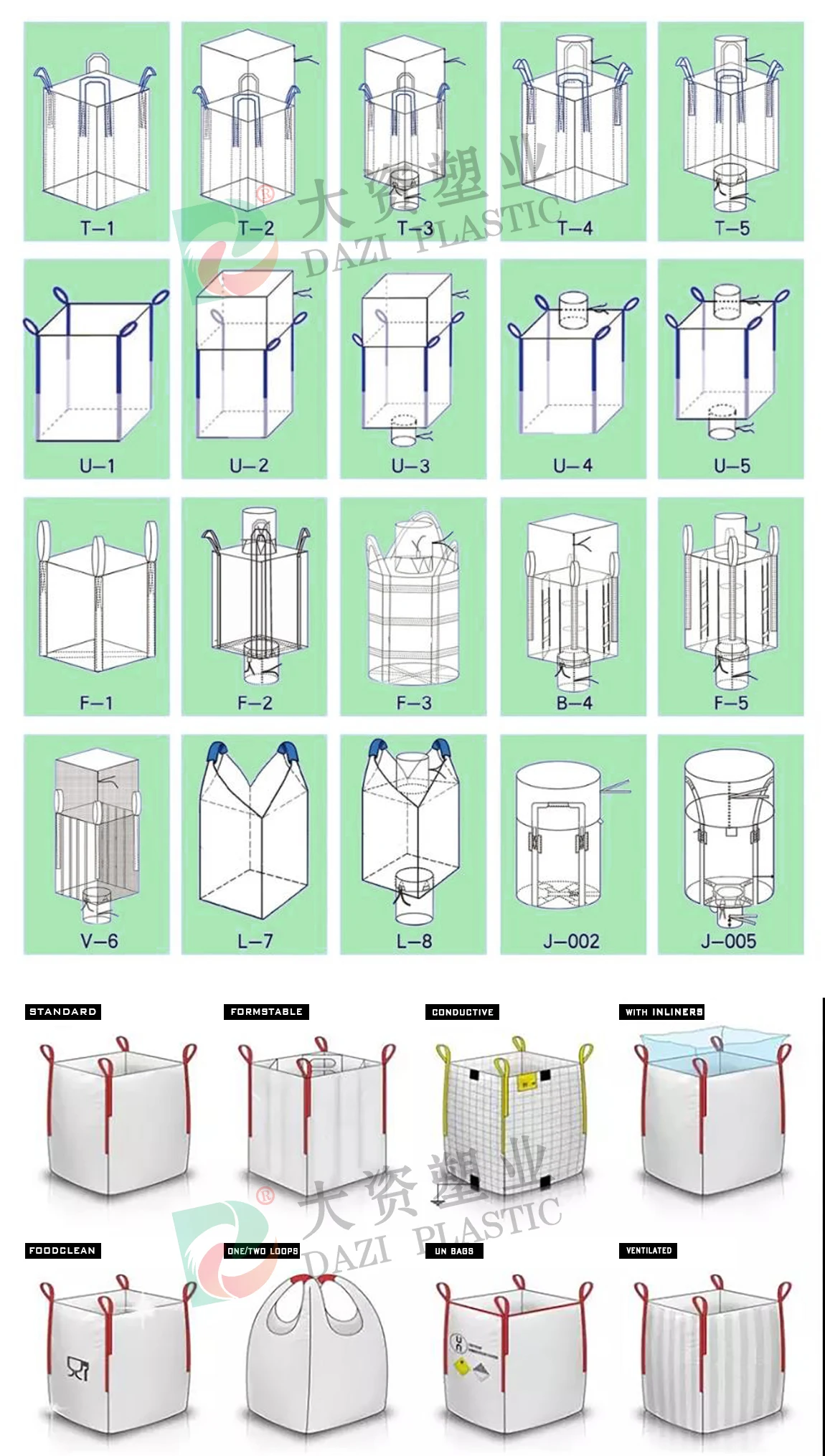
Spout options for pellet handling: Top fill spouts and bottom discharge spouts are widely adopted for plastic pellets. They support automated filling and clean, complete discharge with minimal pellet residue inside the bag.
-
Reinforced lifting loops: Reinforced corner lifting straps endure repeated forklift and crane lifting in open yards, resisting tearing under outdoor thermal cycling.
-
Custom sizing: Available in 500kg, 1000kg, 1200kg and 1500kg capacities, matching bulk density of different resin grades for stable stacking.
Primary Application Scenarios for Anti-UV FIBC in Plastic Resin Supply Chain
Resin Distributor Temporary Yard Stockpiling
Petrochemical deliveries often arrive in large batches. Distributors use anti-UV FIBCs for temporary outdoor stacking before allocation to converters. These bags hold virgin PP, HDPE, LDPE, LLDPE, GPPS and ABS pellets without rapid aging, buying time to arrange warehouse space or outbound shipments.
Plastic Compounder Seasonal Raw Material Reserve
Compounders pre-purchase base resin ahead of price hikes or supply shortages. Outdoor yard storage with UV-treated jumbo bags allows bulk reserves without occupying indoor production warehouse space.
Port and Logistics Yard Transit Storage
At port terminals, resin pellet consignments often sit in open yards waiting for container loading. Anti-UV FIBCs resist coastal strong sunlight and humid weather, avoiding package degradation during waiting periods at ports.
Recycled Plastic Pellet Bulk Storage
Recycled plastic pellets are frequently stored outdoors for intermediate processing. UV-stabilized FIBCs reduce bag aging and pellet spillage risk for recycled resin stockpiles.
Best Practices for Outdoor Stacking of Pellet-Filled Anti-UV FIBC
Anti-UV treatment extends service life, but it does not offer unlimited permanent sun protection. Follow these operational rules to maximize performance:
-
Keep bags elevated on wooden or plastic pallets, avoiding direct contact with wet ground.
-
Limit stacking height in accordance with supplier specification; uneven stacking increases side load and fabric stress.
-
Apply additional reflective tarpaulins for ultra-long outdoor storage to reduce direct UV exposure and extend bag lifespan.
-
Conduct routine visual inspections: check fabric chalking, loop damage and seam integrity periodically.
-
Apply FIFO inventory management, moving older stock first to reduce outdoor residence time for resin batches.
What Buyers Should Verify When Sourcing Anti-UV FIBC for Plastic Pellets
Not all UV-treated FIBC offer equal weather resistance. Buyers should verify the following specifications before bulk purchase:
-
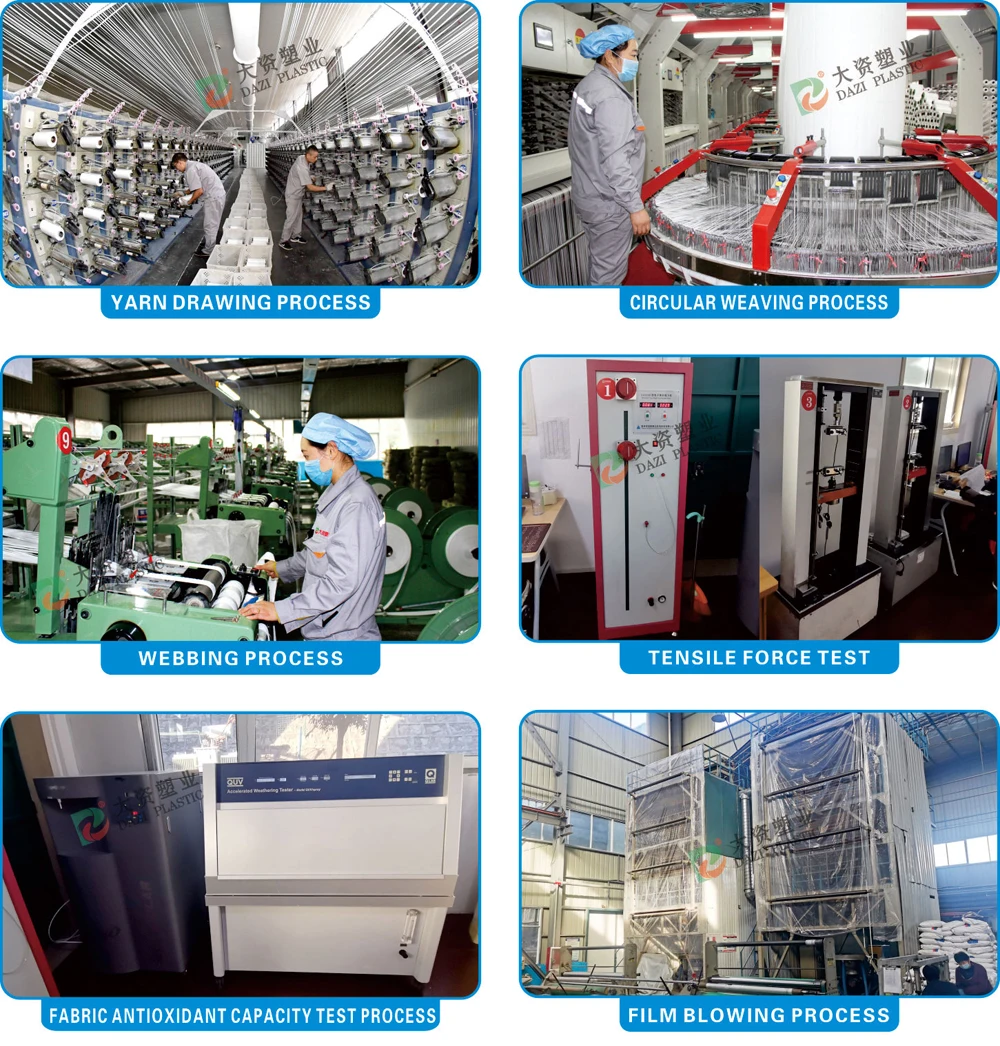
Request accelerated weathering test reports, to confirm fabric retains tensile strength after UV aging testing.
-
Confirm whether UV stabilizer is blended into resin pellets before weaving, not sprayed on fabric surface.
-
Check liner material certification: food-grade or industrial-grade PE liners based on pellet grade.
-
Confirm safety factor, seam strength and lifting loop reinforcement for heavy bulk resin.
-
Ask for batch consistency control, ensuring uniform UV additive dosage across every production lot.
Conclusion
Anti-UV treated FIBC jumbo bags resolve a critical pain point for plastic raw material supply chains: safe temporary outdoor stockpiling of resin pellets when indoor warehouse capacity is exhausted. By embedding UV stabilizers within woven polypropylene fabric, these bulk bags retain mechanical strength under solar radiation, prevent pellet spillage and reduce contamination risks. Combined with moisture-proof liners and reinforced construction, they deliver reliable bulk packaging for virgin and recycled plastic pellets. For resin traders, compounders and logistics operators, choosing qualified anti-UV FIBC minimizes material loss, cuts emergency cleanup cost and maintains consistent pellet quality during open-yard storage.