Powder and granule bulk transportation accounts for the largest proportion of industrial bulk logistics, covering chemical powders, mineral granules, plastic pellets, food powders and agricultural granular materials. Unlike lump materials with stable structure, fine powder and loose granules are prone to leakage, static accumulation, material segregation and moisture absorption during loading, lifting and long-distance transit. Many procurement teams only focus on FIBC unit price and basic load capacity, ignoring material adaptability, structural details and process quality, resulting in frequent bag rupture, fine dust leakage, material deterioration and unstable stacking. Choosing high-quality FIBC bulk bags tailored for powder and granule transportation is the core key to reducing logistics defective rates, ensuring operational safety and cutting long-term comprehensive costs. This article shares systematic, practical and industry-targeted FIBC selection standards, helping enterprises avoid low-quality packaging risks.
Understand Unique Logistics Challenges of Powder & Granule Materials
Before selecting FIBCs, it is essential to clarify the inherent transportation characteristics of powder and granule materials, which determine the core functional requirements of bulk bags. Fine powder features strong fluidity, small particle size and large specific surface area, easily causing micro-leakage through fabric gaps and generating massive static electricity through friction. Meanwhile, ultra-fine powder is highly susceptible to moisture and caking in humid environments, requiring strict sealing and moisture-proof performance.
Granular materials such as plastic particles and mineral grains have strong fluidity and heavy bulk density, bringing continuous lateral expansion pressure and bottom load impact on FIBCs during stacking and transportation. Ordinary thin-walled bulk bags are prone to side wall bulging, local stress concentration and stitching tearing. In addition, uneven vibration during vehicle operation causes material stratification and gravity offset, putting forward higher requirements on bag shaping stability and overall structural toughness. These unique challenges make general-purpose FIBCs unable to meet long-term stable transportation demands.
Core Selection Criteria for High-Quality Powder & Granule FIBCs
1. Virgin Material Fabric & Standardized Gram Weight Inspection
The fundamental difference between high-quality and inferior FIBCs lies in raw material purity and fabric gram weight stability. Premium powder-grade FIBCs adopt 100% pure virgin PP resin raw materials, with uniform molecular tension and stable tensile strength, avoiding brittle aging and strength attenuation caused by recycled material impurities. Inferior low-cost FIBCs mix a large amount of recycled materials and filler masterbatch, resulting in thin fabric texture, poor toughness and easy cracking after slight friction and extrusion.
For powder and granule transportation, fixed fabric gram weight must be strictly guaranteed. Insufficient gram weight leads to reduced load-bearing limit and poor wear resistance, while uneven gram weight causes inconsistent local strength of the bag body, forming fragile stress points. High-quality FIBCs maintain uniform weaving density and stable gram weight across the whole batch, ensuring overall structural uniformity and long-cycle durability.
2. Encrypted Weaving & Sealing Structure Against Fine Powder Leakage
Ordinary standard FIBCs have loose weaving gaps, which are completely unable to block ultra-fine powder leakage, easily causing dust floating, material loss and on-site environmental pollution. High-quality powder-specific FIBCs adopt encrypted high-density weaving technology to minimize fabric gaps. Matching with fine-tailored inner liners, closed spout tops and reinforced sealing belts, they form a full-link anti-leakage system.
For ultra-fine chemical powder and food-grade powder materials, double-layer thickened structure and hot-melt edge sealing process are essential to prevent micro-powder penetration from stitching gaps. Different from ordinary loose stitching, high-quality FIBCs adopt dense multi-layer sewing process at spout and bottom corners, which are the most vulnerable leakage positions, completely solving fine powder leakage problems in repeated turnover and long-distance transportation.
3. Scientific Safety Factor & Reinforced Load-Bearing Design
Powder and granule materials have heavy bulk density and continuous flowing pressure, requiring higher structural safety redundancy than ordinary lightweight materials. High-quality industrial FIBCs for powder logistics strictly follow 5:1 or 6:1 professional safety factor standards, ensuring no bag rupture or deformation under rated load, stacking pressure and lifting impact.
In terms of structural design, premium FIBCs adopt integrated lifting loop reinforcement, corner thickening and bottom force-bearing optimization. Different from inferior products with single-point bearing and thin stitching, the overall force-bearing structure disperses lifting tension and lateral expansion pressure evenly, effectively avoiding local tearing and bottom cracking caused by gravity impact during forklift lifting and multi-layer stacking.
4. Targeted Functional Configuration Based on Material Properties
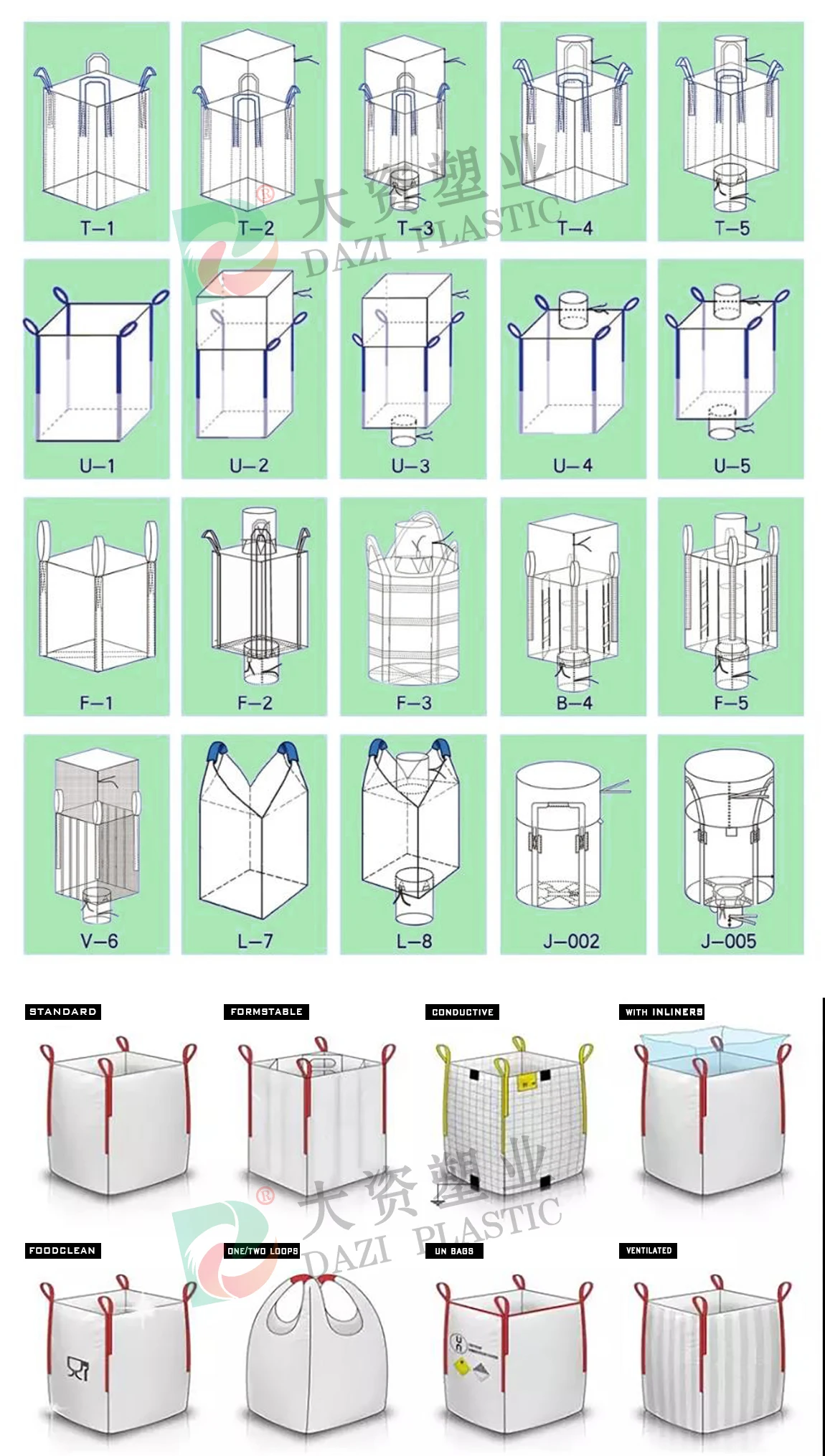
High-quality FIBC selection must adhere to scenario-based customization instead of universal matching, realizing one-to-one functional adaptation for different powder and granule characteristics:
-
Flammable and explosive powder: Choose certified Type C/Type D conductive FIBCs to eliminate static accumulation and prevent dust explosion risks
-
Hygroscopic and easily caking powder: Select fully waterproof and moisture-proof coated FIBCs with sealed spout design to isolate external humidity
-
Outdoor stored granules: Prioritize UV-stabilized anti-aging FIBCs to avoid fabric brittleness and strength attenuation from long-term sunlight exposure
-
High-value fine powder: Adopt food-grade and dust-free lining FIBCs to ensure material purity and zero contamination
5. Precise Shaping Structure to Improve Logistics Efficiency
Most ordinary FIBCs bulge irregularly after being filled with powder and granules, resulting in low container loading rate, unstable stacking and easy cargo displacement during transportation. High-quality optimized FIBCs include baffle type square shaping design and vertical sidewall structure, which can maintain regular cubic shape after filling. This standardized shaping enables tight arrangement, improves container space utilization by 20%-30%, and ensures stable multi-layer stacking without tilting or collapsing.
For automated filling and discharging production lines, high-quality FIBCs support customized spout diameter, height and discharge opening design, matching mechanical equipment operation, improving loading and unloading efficiency, and avoiding material waste and dust overflow caused by mismatched structural size.
6. Complete Qualification Certification & Batch Consistency
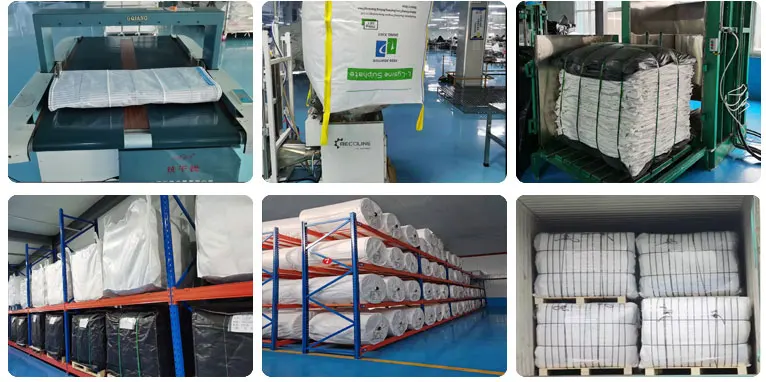
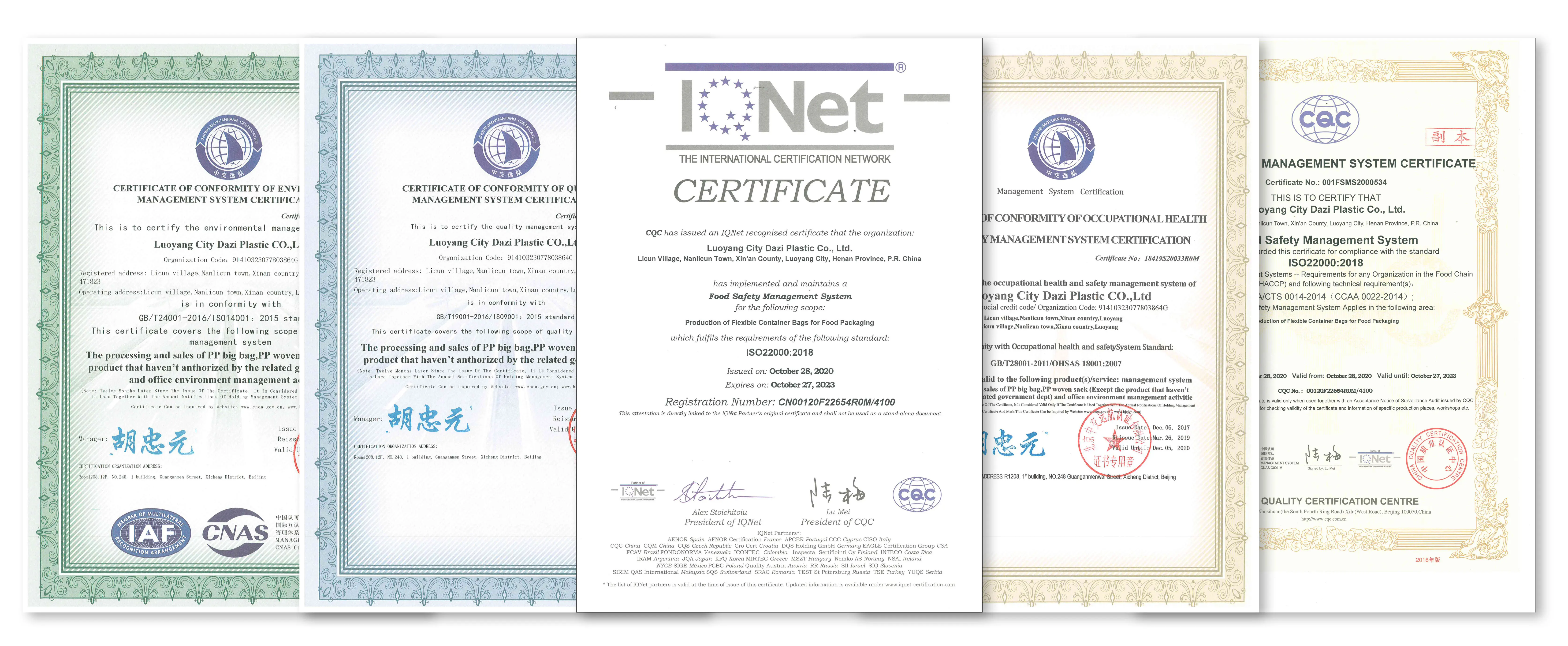
Reliable high-quality FIBCs must be equipped with complete third-party test reports and industrial certifications, including load-bearing test, anti-static performance test, UV aging test and food-grade safety certification for special materials. For export hazardous powder transportation, UN certification is mandatory to meet international dangerous goods logistics standards and avoid customs clearance detention.
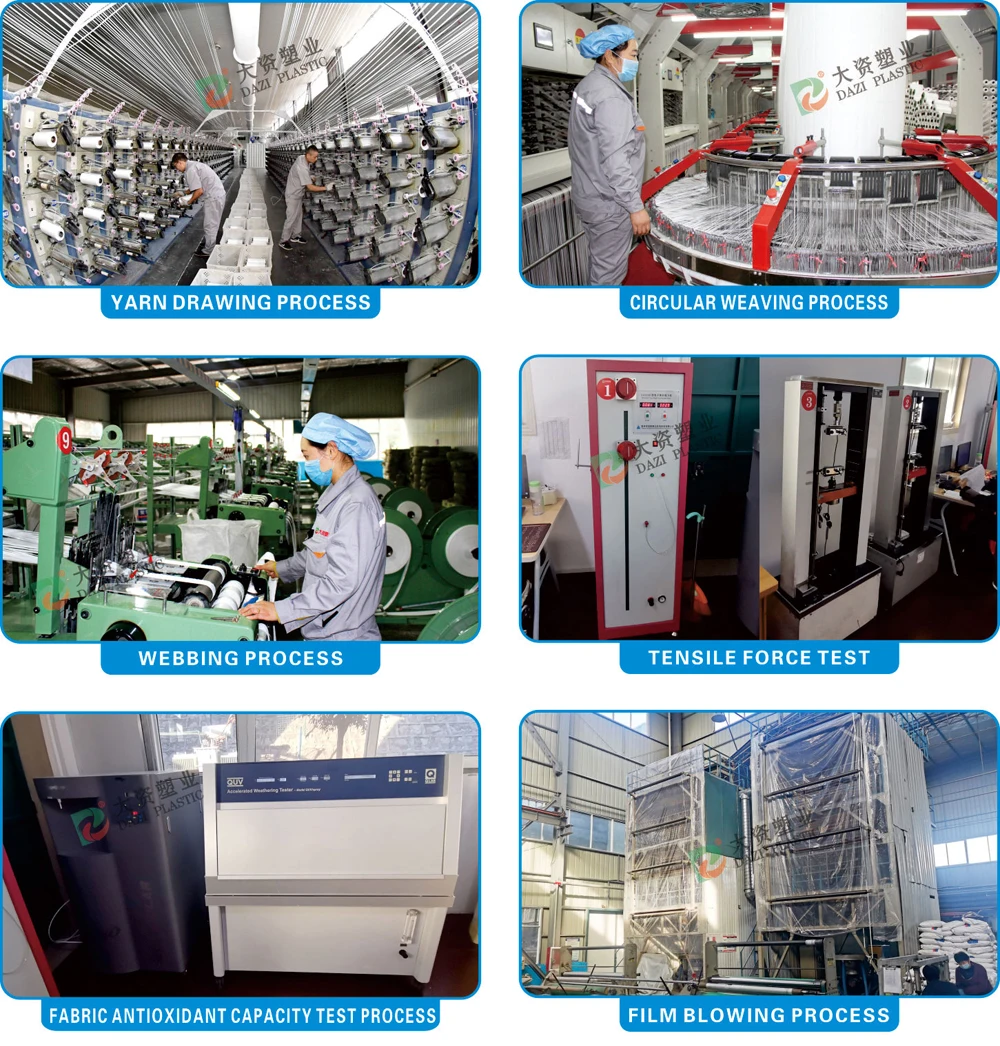
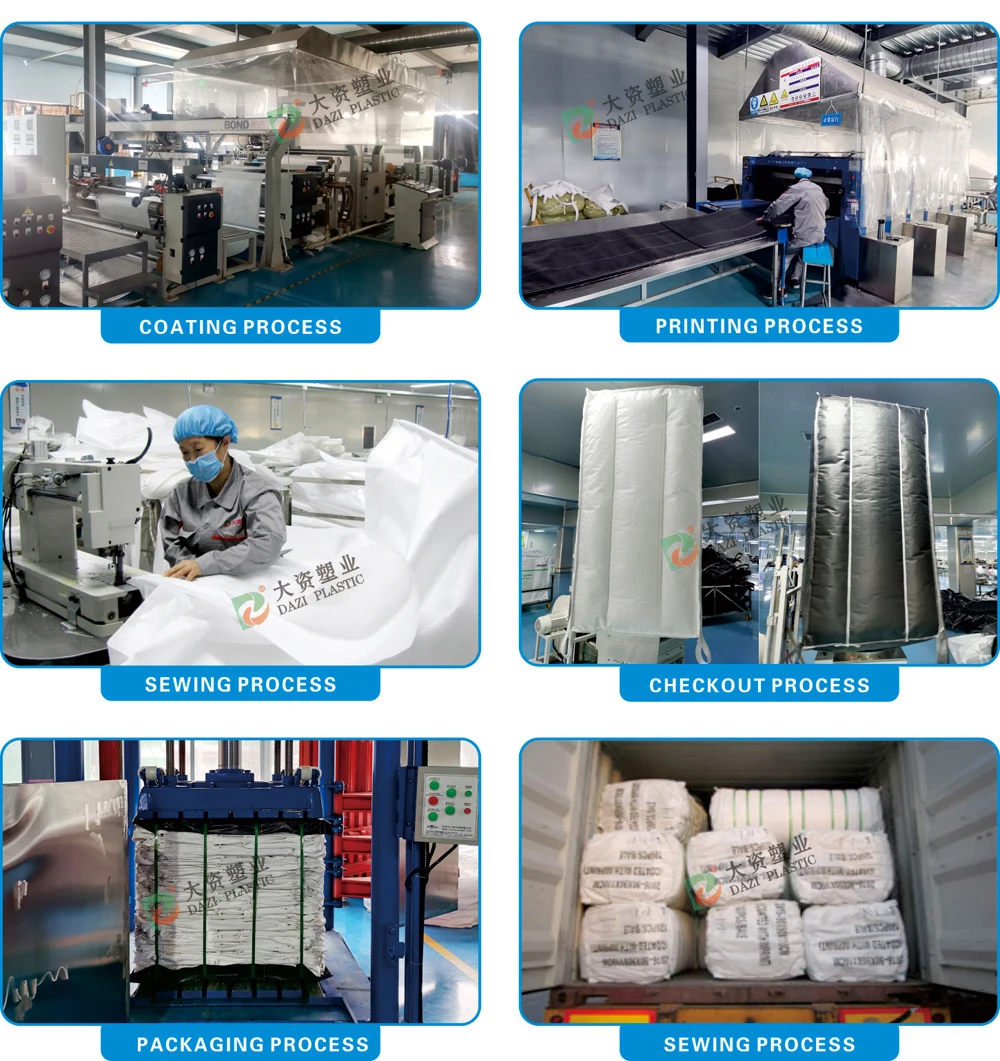
In addition, batch consistency is a key indicator distinguishing high-quality products from inferior ones. Premium FIBC manufacturers adopt standardized assembly line production to ensure consistent fabric density, stitching quality and functional performance of each batch of products, avoiding safety hazards caused by large quality fluctuations in bulk procurement.
Common Low-Quality FIBC Pitfalls in Powder Logistics
Many enterprises fall into price-oriented selection mistakes, bringing invisible losses to powder logistics. The first common pitfall is fake thickening: low-quality FIBCs increase surface thickness through filler coating, but the actual tensile strength is unqualified, which will fail rapidly after friction and moisture exposure. The second is insufficient safety redundancy, where nominal load-bearing does not match actual bearing capacity, easily causing bag rupture during stacking and lifting. The third is unstable functional performance, such as anti-static and UV functions that only work temporarily and fail after short-term use. These hidden defects will lead to material leakage loss, safety accidents and shipment delays, far exceeding the cost saved by low-price procurement.
Cost-Performance Selection Strategy
High-quality FIBCs are not equivalent to over-specification customization. The optimal selection logic is to match functions accurately according to material characteristics and usage cycles. For disposable short-distance transportation of ordinary inert granules, standard high-quality basic FIBCs can meet demand and control costs. For long-cycle reusable turnover, outdoor storage and high-risk powder transportation, it is necessary to upgrade functional and structurally reinforced FIBCs to reduce replacement frequency and comprehensive failure losses. Scientific matching can balance product quality and procurement cost, maximizing long-term logistics economic benefits.
Conclusion
Selecting high-quality FIBC bulk bags for powder and granule transportation requires systematic judgment from raw material quality, anti-leakage structure, load-bearing safety, functional adaptation, shaping performance and qualification certification, rather than single price comparison. High-quality customized FIBCs can effectively solve core pain points such as powder leakage, static hazards, material moisture deterioration and unstable stacking in bulk logistics. By abandoning low-price inferior products and adopting scenario-based high-quality selection standards, enterprises can eliminate logistics safety risks, reduce material waste and shipment failure rates, and realize standardized, efficient and cost-controlled bulk powder and granule transportation management.