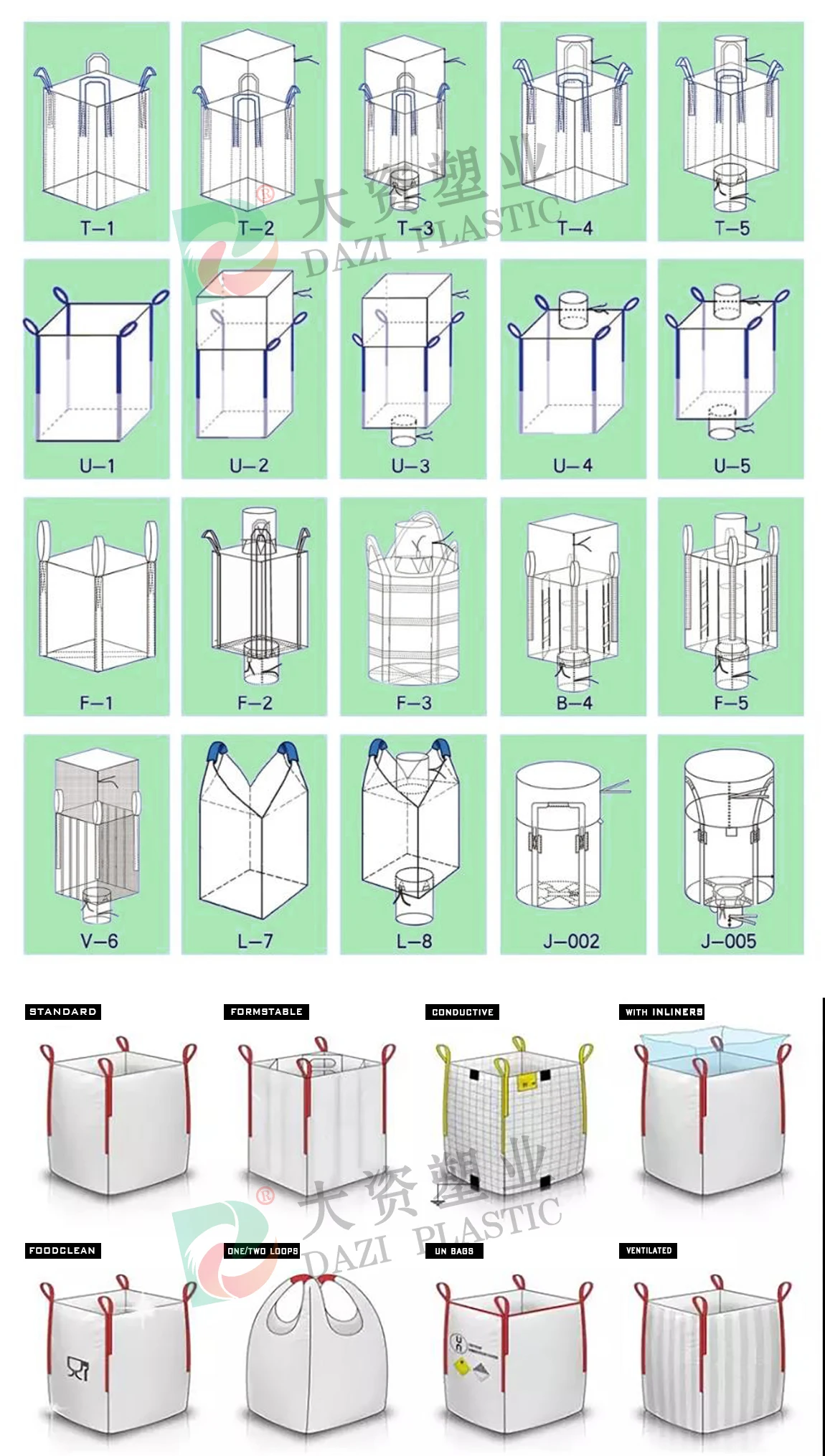
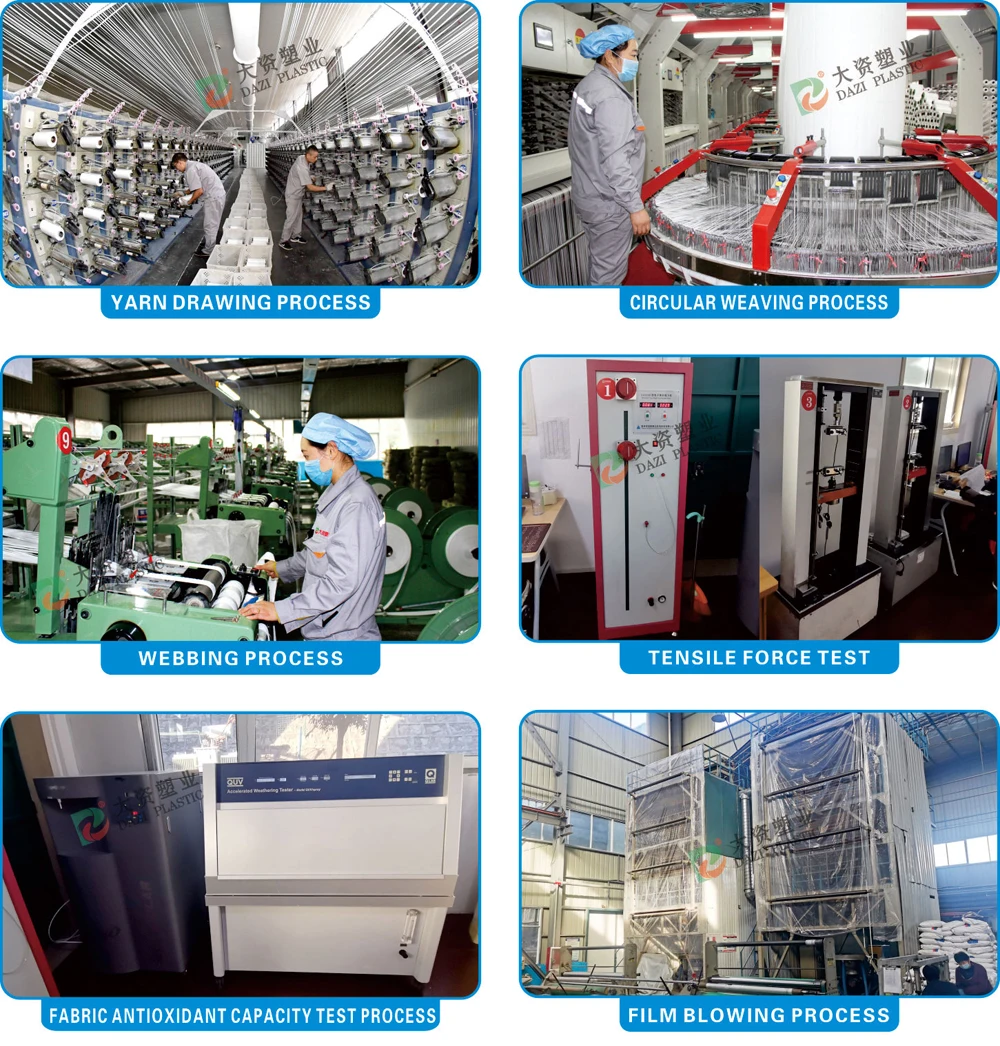
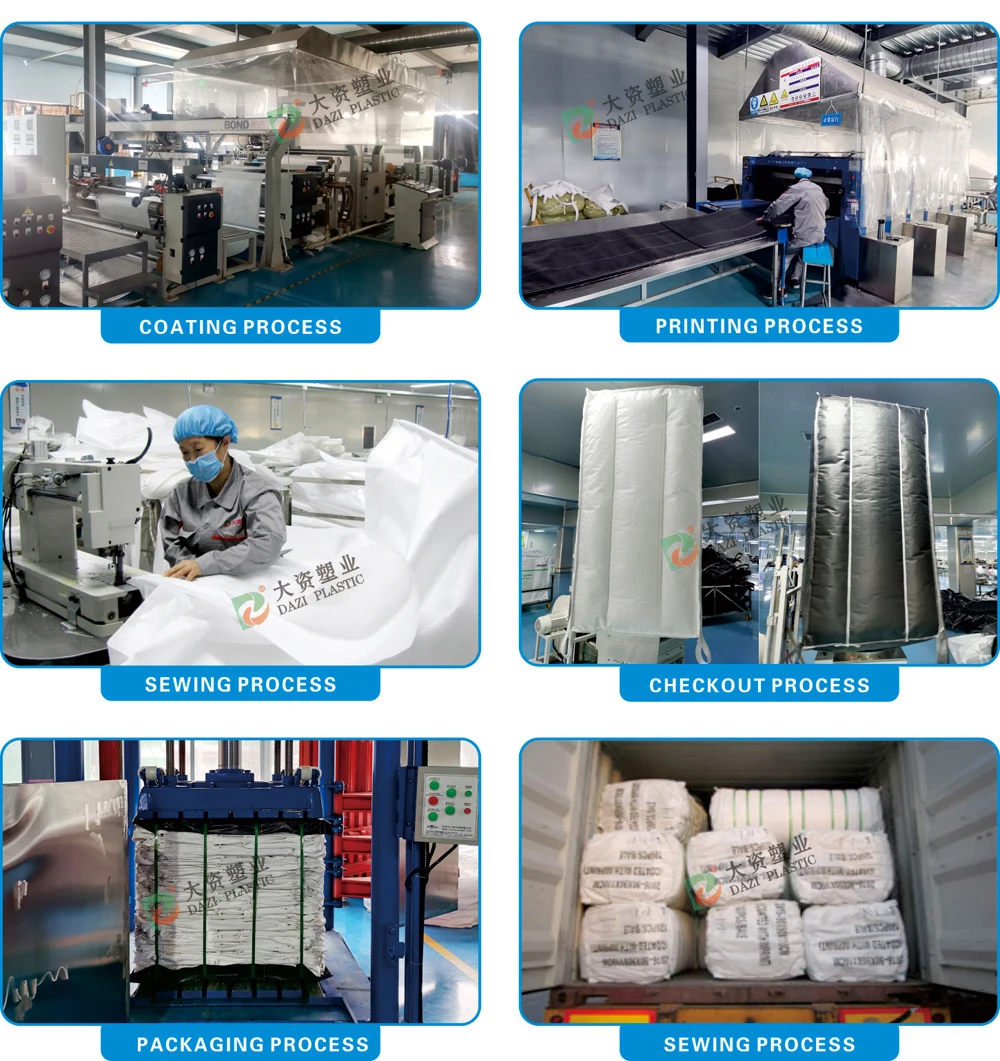
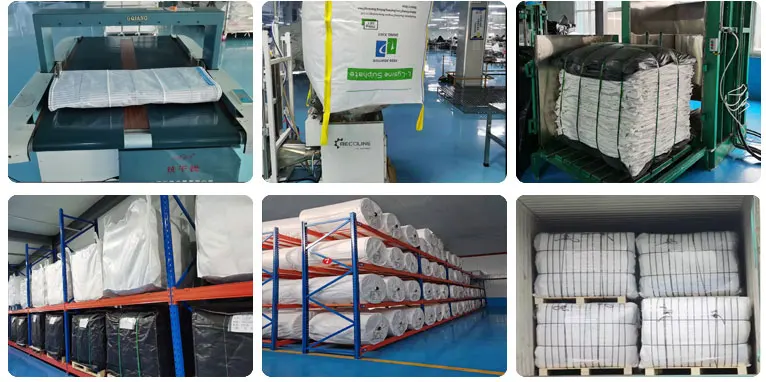
In bulk solid logistics, most enterprises focus solely on sea freight, trucking fees and warehousing rents while ignoring the hidden cost waste caused by standardized one-size-fits-all FIBC bulk bags. Generic stock jumbo bags feature fixed dimensions, uniform load capacity and redundant structures, often leading to wasted container space, unbalanced weight distribution, auxiliary packaging waste and frequent cargo damage. Custom-spec FIBC bulk bags solve these industry pain points through tailored size calibration, targeted structural configuration, scenario-based material upgrading and functional simplification. Instead of blindly pursuing universal high-specification packaging, customized FIBCs match packaging design with actual cargo characteristics and logistics modes, effectively cutting comprehensive logistics expenses and improving overall supply chain efficiency. This article deeply analyzes how customized FIBC solutions realize refined logistics cost optimization in bulk solid storage and transportation.
Eliminate Container Space Waste Through Precise Size Customization
Space waste is the most intuitive hidden logistics cost in bulk cargo shipping. Standard FIBC sizes cannot perfectly match the internal dimensions of 20ft, 40ft containers and standard truck carriages. Irregular bag bulging, mismatched height and redundant gaps result in low container loading rates, forcing shippers to bear empty-space freight costs. Many export enterprises suffer from 15%–30% higher unit freight costs due to unreasonable FIBC sizing every year.
Custom-spec FIBCs adopt modular size design tailored to standard container parameters and cargo density. Manufacturers adjust bag width, height and rated capacity according to bulk solid bulk density, ensuring filled bags maintain regular cubic shapes without irregular expansion. Uniform and standardized bag dimensions eliminate scattered gaps inside containers, increasing single-container loading quantity by 8%–12% on average. This precise space utilization greatly dilutes fixed ocean and road freight costs, achieving substantial logistics cost reduction without upgrading equipment or expanding shipment volume.
Balance Load Weight to Avoid Overweight Penalties and Underloading Losses
Bulk solids such as mineral powder, chemical granules and industrial fillers have varying densities. Low-density materials in standard large-capacity FIBCs cause serious underloading, while high-density materials easily exceed container weight limits and trigger overweight penalties. Both scenarios bring uncontrollable logistics cost fluctuations and operational risks.
Customized FIBCs support flexible rated load customization based on material density and logistics weight restrictions. For lightweight fluffy bulk materials, optimized small-capacity customized bags avoid excessive empty space; for high-density heavy solids, reinforced medium-capacity specifications ensure full load compliance without overweight risks. Accurate weight matching eliminates repeated cargo rearrangement, overweight fine costs and secondary loading operations, greatly improving customs clearance efficiency and reducing hidden logistics management costs.
Cut Auxiliary Packaging and Labor Handling Costs
Generic FIBCs often require extra auxiliary packaging accessories to adapt to complex logistics links, including additional waterproof films, binding belts, anti-slip mats and dust-proof covers. These repetitive auxiliary materials increase unit packaging costs and prolong manual loading and fixing time. Custom-spec FIBCs integrate required functional structures in advance according to logistics scenarios, simplifying the entire loading and transportation process.
For long-distance cross-border shipping, customized FIBCs can be equipped with integrated waterproof coating, sealed spout structure and anti-slip bottom design, eliminating the need for external wrapping films and anti-slip auxiliary materials. For standardized pallet logistics, tailor-made loop positions and fixed sizing enable one-to-one pallet matching, reducing manual sorting and binding labor. Integrated functional customization effectively reduces auxiliary material consumption and labor input, realizing lean logistics cost control.
Reduce Cargo Damage Rate and Secondary Logistics Losses
Mismatched standard FIBCs are prone to structural inadaptability: excessive softness causes extrusion deformation during stacking, insufficient wear resistance leads to bag breakage during bumpy transportation, and poor sealing results in material leakage and moisture deterioration. Cargo damage, material loss and returned shipments bring huge secondary logistics and rework costs, far exceeding the packaging material price difference.
Custom FIBCs adopt targeted structural optimization based on material attributes and transportation conditions. Abrasive bulk solids are matched with thickened wear-resistant customized fabrics; moisture-sensitive materials adopt fully sealed customized lining structures; and long-haul vibration-prone logistics scenarios use reinforced stitching and anti-tear customization. Precise structural matching minimizes bag damage, material leakage and quality deterioration during transportation. Lower defective rates eliminate secondary sorting, re-transportation and cargo claim losses, stabilizing long-term logistics cost expenditure.
Optimize Inventory and Pre-Shipping Storage Costs
Logistics costs include not only transportation fees but also pre-shipping warehouse storage and packaging inventory costs. Oversized standard FIBCs occupy excessive warehouse space when stacked empty, while single-spec stock bags cannot adapt to diversified material packaging demands, leading to redundant inventory backlogs.
Customized FIBCs support folded compact structural design and multi-specification personalized customization. Empty customized bags feature neat folding and small storage volume, greatly saving warehouse occupation area. Meanwhile, enterprises can formulate targeted customized specifications according to conventional material types and logistics modes, avoiding blind bulk stockpiling of universal bags. Reduced inventory pressure and improved warehouse space utilization effectively lower unit storage and inventory management costs.
Realize Reusable Value Through Scenario Customization
Most disposable standard FIBCs are discarded after single transportation, resulting in high comprehensive packaging and logistics replacement costs. Custom-spec FIBCs can be upgraded to multi-trip reusable specifications according to enterprise turnover frequency, with customized high safety factor, anti-aging and reinforced structures.
For internal factory turnover and short-distance repeated transportation, reusable customized FIBCs can withstand multiple lifting, stacking and handling cycles. Although the single procurement cost is slightly higher, the average single-use cost is far lower than disposable standard bags. The reusable customization mode reduces long-term repeated procurement and packaging replacement costs, forming a sustainable low-cost logistics packaging cycle.
Avoid Over-Specification Waste with Simplified Customization
Another major logistics cost waste comes from excessive over-specification of standard universal FIBCs. Many stock bags are equipped with redundant anti-static, UV-resistant and multi-layer reinforced structures, even for ordinary indoor short-distance transportation of inert bulk materials. Unnecessary high-end configurations increase packaging costs invisibly.
Customized FIBCs support simplified functional customization, retaining only necessary structures according to actual usage scenarios. For indoor short-cycle logistics of non-hazardous inert materials, unnecessary anti-aging and explosion-proof configurations can be removed. This targeted de-customization eliminates functional redundancy, reduces single-bag cost on the premise of meeting logistics safety standards, and realizes accurate cost reduction.
Conclusion
Custom-spec FIBC bulk bags optimize bulk solid logistics costs not through simple price reduction, but through refined scenario-based customization covering size matching, load calibration, functional integration, structural optimization and reusable design. It solves various hidden cost wastes of standard FIBCs, including low container loading rate, auxiliary material redundancy, cargo damage loss, storage space occupation and over-specification waste. For bulk manufacturing and export logistics enterprises, replacing universal stock FIBCs with tailor-made customized specifications is a practical and efficient strategy to reduce comprehensive logistics costs, improve supply chain operational efficiency and enhance market competitiveness.