Transporting hazardous solid materials such as toxic industrial powders, corrosive granular solids, flammable dust, and chemical residual solids poses strict challenges to industrial packaging. Unlike ordinary bulk goods, hazardous solids require FIBC bulk bags with certified safety performance, stable structural strength, and professional anti-risk design. However, most industrial buyers face a common dilemma: overpriced premium FIBCs raise procurement costs, while ultra-low-cost unqualified bags bring severe safety risks and compliance penalties. Therefore, learning how to select cost-effective FIBC bulk bags for hazardous solid material transport helps enterprises balance safety compliance, transportation quality, and long-term operational costs.
Why Hazardous Solid Transport Needs Specially Selected FIBC Bags
Hazardous solid materials feature unique risks including flammability, corrosiveness, toxicity, dust explosiveness, and environmental pollution. Ordinary standard FIBC bags lack anti-static performance, sealing structure, and dangerous goods certification, which easily lead to serious accidents during transportation, loading, and storage.
Leakage of toxic or corrosive solids will cause site pollution and personnel injury; static accumulation from flammable dust may trigger explosion hazards; uncertified packaging will result in customs rejection, shipment detention, and huge compliance fines. Cost-effective hazardous-grade FIBCs do not mean low-quality products, but standardized, reasonably priced, and fully compliant packaging that eliminates hidden risks while controlling overall costs.
Core Compliance Standards for Hazardous Solid FIBC Selection
The premise of cost-effective selection is zero compromise on safety certification. For cross-border and domestic hazardous solid transportation, qualified FIBC bags must meet unified industrial and UN packaging standards.
1. UN Dangerous Goods Certification
UN-certified FIBCs are the basic requirement for all hazardous solid logistics. These bags pass strict drop test, stacking test, tensile test, and leakage test, with clear UN classification marking for different hazard levels. Buying UN-approved FIBCs avoids compliance risks and ensures smooth customs clearance, which is the most fundamental cost-saving guarantee for hazardous material transportation.
2. Professional Anti-Static Grading
For flammable and explosive solid powders, Type C grounded or Type D ground-free anti-static FIBCs are mandatory. Choosing matched anti-static grades according to actual operating scenarios prevents static spark risks without unnecessary over-investment, realizing precise cost control.
3. Industrial Safety Factor Standard
Hazardous solid transport requires a minimum 6:1 safety factor. Higher structural redundancy ensures no bag rupture or leakage during bumpy transportation and high stacking. Avoid low-cost 5:1 disposable FIBCs for hazardous materials, as their low damage resistance will lead to secondary loss costs.
Key Factors to Choose Cost-Effective Hazardous Solid FIBC Bags
True cost-effectiveness lies in "matching rather than blindly upgrading". The following targeted selection indicators help buyers avoid over-consumption and inferior quality traps.
1. Match FIBC Type According to Hazardous Material Properties
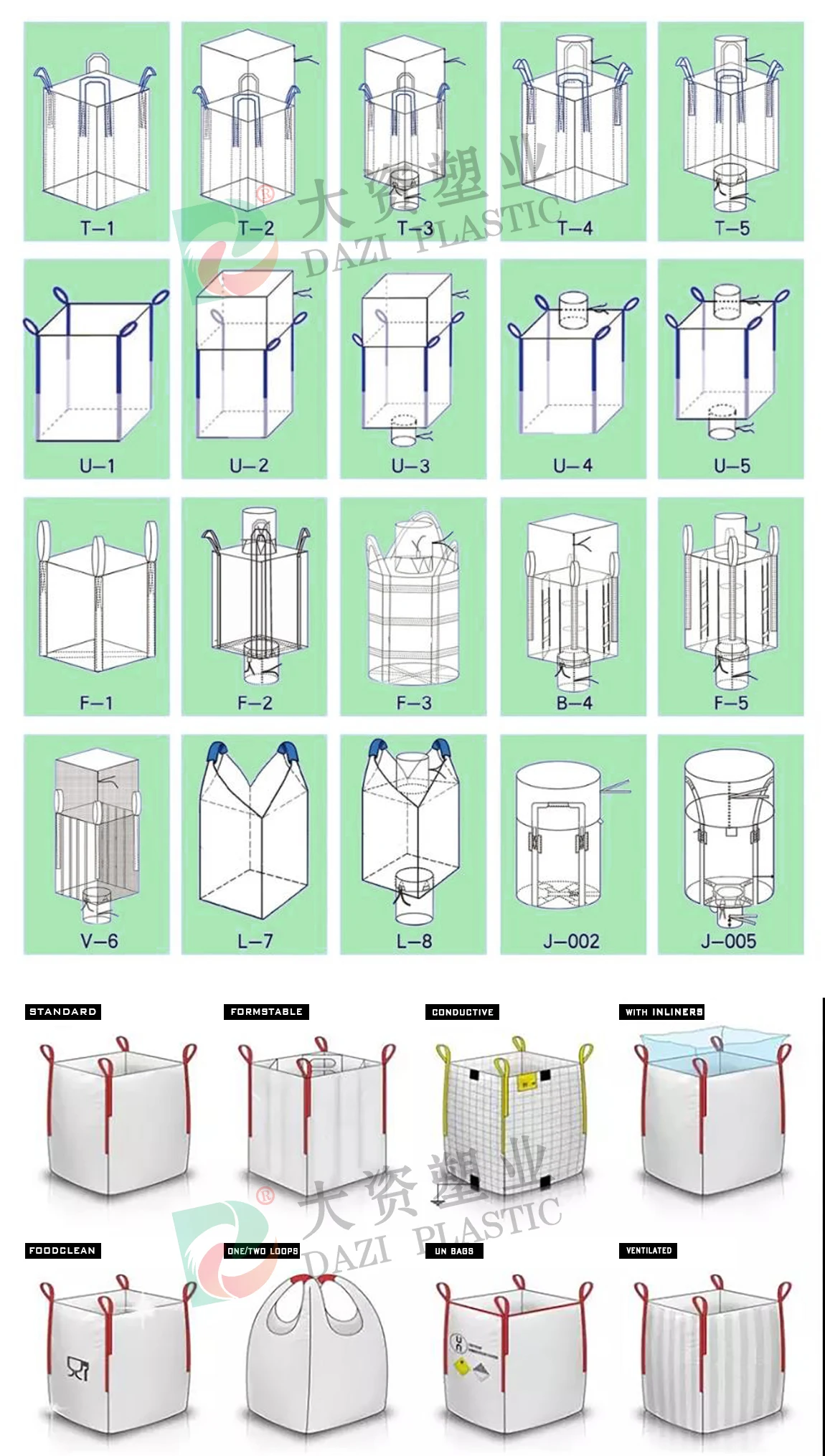
Classify hazardous solids and select corresponding FIBC configurations to reduce redundant costs. For common non-flammable corrosive solids, select UN-certified ordinary hazardous FIBCs with thickened corrosion-resistant lining. For flammable fine powder solids, prioritize Type C or Type D anti-static hazardous FIBCs. For toxic and easily-leaked ultra-fine solids, choose fully sealed dust-proof structured bags. Accurate material matching avoids paying for unnecessary high-end functions while ensuring safety.
2. Reasonably Choose Disposable or Reusable FIBCs
For one-way export shipments and single-batch hazardous solid turnover, cost-effective single-trip UN FIBCs are sufficient, avoiding redundant investment in reusable structures. For long-term repeated internal circulation of low-risk hazardous solids, select 6:1 multi-trip reusable hazardous FIBCs. Although the unit price is slightly higher, the average single-use cost is far lower than disposable bags, bringing significant long-term cost savings.
3. Optimize Structural Configuration to Reduce Premium Costs
Many buyers blindly customize full-function FIBCs, resulting in waste of cost. For non-sticky granular hazardous solids, conventional tapered discharge spouts are enough; for non-outdoor transportation, UV-resistant functions can be appropriately omitted; for fixed grounding workshops, cost-effective Type C anti-static FIBCs can replace high-priced Type D bags. Simplifying unnecessary customized functions on the premise of safety is the core of cost-effective selection.
4. Focus on Liner Matching for Anti-Leakage Performance
Most hazardous solid leakage accidents are caused by insufficient liner performance rather than broken bag bodies. Equipping high-quality PE, aluminum foil, or anti-corrosion inner liners for standard hazardous FIBCs can greatly improve sealing and anti-leakage ability at a low incremental cost. This combination is more cost-effective than purchasing fully customized high-grade integrated FIBCs.
5. Verify Batch Stability and Factory Qualification
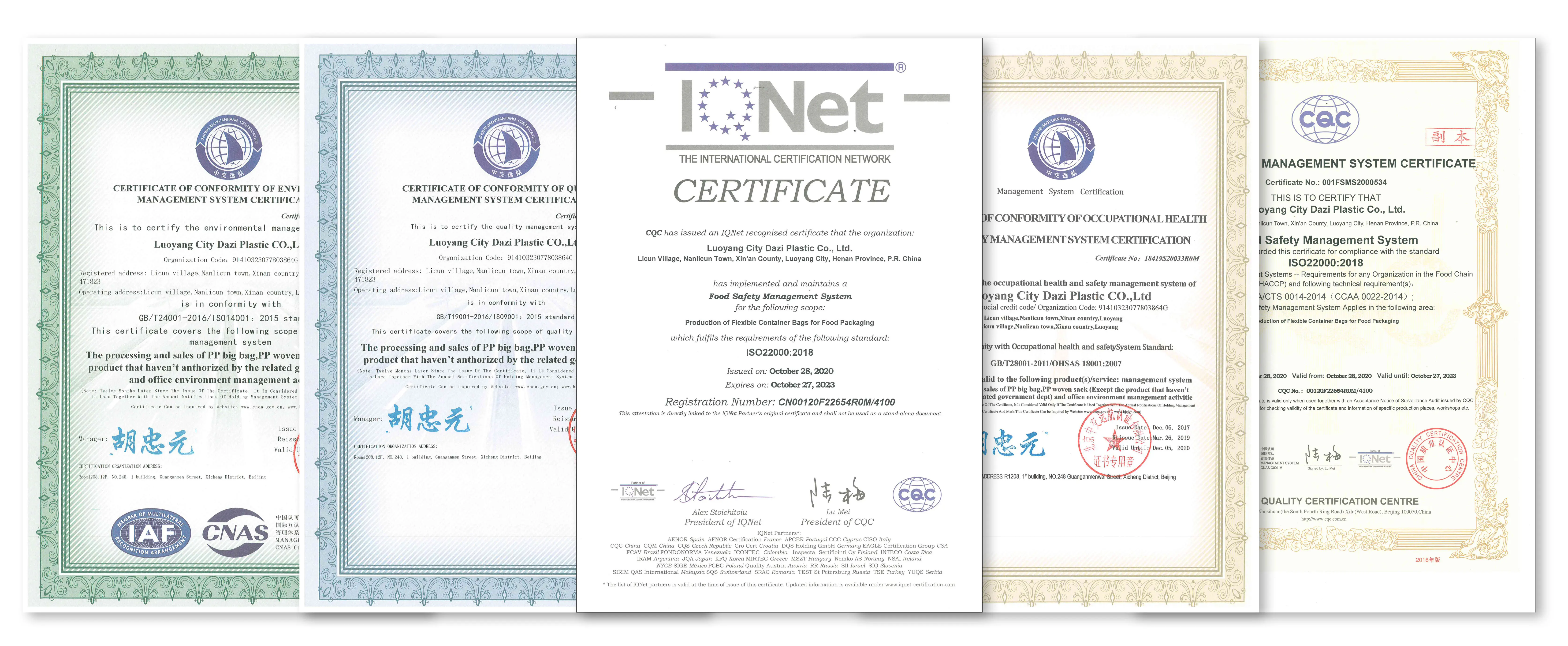
Low-price unqualified FIBCs often have unstable batch quality, with unqualified fabric thickness, missing conductive threads, and substandard stitching strength. Although the unit price is low, the defective rate is high, causing material loss and shipment delays. Choosing formal manufacturers with complete test reports and stable batch quality can reduce hidden replacement and accident compensation costs, achieving real cost-effectiveness.
Common Selection Mistakes That Increase Hidden Costs
-
Blindly pursuing low prices: Purchasing uncertified hazardous FIBCs leads to customs detention and safety accidents.
-
Excessive over-spec customization: Equipping full anti-static, UV-resistant, and multi-layer structures for low-risk hazardous solids causes cost waste.
-
Confusing ordinary and hazardous FIBCs: Using standard bags for dangerous goods leads to compliance failure.
-
Ignoring liner quality: Neglecting sealing details results in hazardous solid leakage losses.
Scenario-Based Cost-Effective FIBC Matching Guide
-
Flammable hazardous powder (fixed workshop operation): UN Type C anti-static FIBC + dust-proof liner
-
High-risk explosive powder & mobile handling: UN Type D anti-static FIBC (no grounding required)
-
Corrosive granular hazardous solids: 6:1 heavy-duty FIBC + anti-corrosion inner liner
-
One-way export hazardous cargo: Certified single-trip UN FIBC with basic safety configuration
-
Long-term cyclic hazardous material turnover: Reinforced reusable UN FIBC to amortize procurement cost