When sourcing and operating FIBC bulk bags, loading capacity and safety factor are two non‑negotiable technical indicators that directly determine operational safety, service life and compliance for industrial bulk cargo handling. Many buyers confuse physical volume, safe working load and breaking strength, which may lead to overloading, bag rupture, material spillage and even workplace safety accidents. Understanding how to define, calculate and match proper loading capacity and safety factor helps procurement teams select qualified FIBC jumbo bags for mining, chemical, food, construction and agricultural bulk logistics.
Definition: Loading Capacity of FIBC Bulk Bags
The core term for FIBC loading capacity is Safe Working Load (SWL). SWL refers to the maximum safe payload weight that a FIBC bag can bear under normal filling, lifting, stacking and transporting conditions, which is clearly marked on the FIBC label in kilograms.
It is critical to distinguish SWL from physical volume. Volume describes how much space inside the bag, while SWL defines the maximum weight it can safely carry. A bag with large inner volume cannot hold unlimited heavy goods. Dense materials such as ore, metal powder and cement will reach SWL limits long before the bag is fully filled by volume. Common industrial SWL ranges are 500 kg, 1000 kg, 1500 kg and 2000 kg, covering most bulk‑material scenarios.
Tare weight, the weight of empty FIBC itself, should also be counted in total gross weight during transportation and customs declaration. Operators must never exceed the labelled SWL even if the bag still has empty space.
What Is FIBC Safety Factor
Safety Factor (SF) is the ratio between the ultimate test breaking load and the safe working load (SWL). It represents the structural safety margin reserved for real‑world dynamic stress, including forklift lifting impact, stacking pressure, transportation vibration, fabric aging and sewing fatigue.
Safety Factor = Ultimate Test Load ÷ Safe Working Load (SWL)
Take a 1000 kg SWL FIBC with 5:1 safety factor as an example: the bag passes lab tests under 5000 kg load, but its actual allowable payload remains strictly 1000 kg. The safety factor is a safety buffer, not permission for overloading.
Mainstream Safety Factor Specifications in FIBC Industry
-
5:1 Safety Factor (Single‑trip FIBC)
This is the standard rating for one‑way disposable bulk bags under ISO 21898. Mainly applied for non‑hazardous goods for one‑time export shipment, including grain, construction sand, ordinary mineral granules. These bags are not designed for repeated reuse, even if they look intact after one use.
-
6:1 Safety Factor (Multi‑trip & UN dangerous‑goods FIBC)
FIBCs rated 6:1 adopt thicker woven fabric, reinforced lifting loops and heavy‑duty seam stitching. It is mandatory for reusable multi‑cycle bags and UN‑certified dangerous‑goods packaging. It adapts to frequent lifting, cyclic use, high‑risk chemical raw materials and rough port logistics environments.
Individual customized heavy‑duty FIBC for extreme working conditions can reach 8:1 safety factor for special mining or heavy‑metal‑powder projects, which brings higher material cost accordingly.
Key Factors That Influence Loading Capacity Performance
Even with fixed SWL and safety factor values on paper, actual bearing performance will be affected by multiple practical conditions.
1. Fabric and sewing quality
Thicker polypropylene woven fabric, high‑strength lifting loops and reinforced seam design guarantee real‑world load‑bearing performance. Low‑cost FIBC may mark 1000 kg SWL, yet use thin fabric and weak stitching, failing to reach the promised safety factor in real‑world lifting.
2. Lifting method
Full vertical lifting with all loops shared evenly brings ideal stress distribution. If partial loops bear all weight, or sharp forklift forks cut fabric, the bag may break even below SWL rating. Spreader bars are recommended for stable lifting operations.
3. Material density and filling uniformity
Uneven filling leads to offset load, raising local stress on fabric and lifting loops. Dense heavy bulk materials require buyers to prioritize SWL instead of bag volume.
4. Service environment
UV radiation, high temperature, chemical corrosion and repeated friction will degrade woven fabric strength over time. Outdoor long‑term storage reduces actual effective safety margin, so UV‑stabilized FIBC should be selected for open‑air scenarios.
Practical Guidance for Setting SWL and Safety Factor in Procurement
- One‑way shipment of ordinary non‑hazardous bulk goods: Choose 5:1 safety factor FIBC, select SWL according to actual cargo weight. Do not reuse single‑trip bags for second loading.
- Repeated internal circulation, multi‑time turnover: Select 6:1 multi‑trip FIBC. After each cycle, inspect fabric, loops and seams for damage before reuse.
- Chemical, flammable powder or dangerous‑goods export: Adopt UN‑certified FIBC with 6:1 safety factor, and keep complete test reports for customs clearance inspection.
- Mining, heavy‑density mineral powder with rough handling environment: Prioritize 6:1 or customized higher safety factor, with reinforced bottom and lifting loops.
Common mistake: Many clients take high safety factor as excuse to increase actual loading weight. Remember: safety factor serves as risk buffer, you must always operate below the marked SWL value.
How To Read FIBC Labels and Verify Compliance
Qualified FIBC bags shall print permanent labels showing SWL value, safety factor ratio, manufacturer information, production date and test certificate number according to ISO 21898 standards. When receiving bulk goods, cross‑check these parameters instead of judging quality only by bag appearance. For high‑risk projects, ask suppliers to provide top‑lift test reports to verify real safety‑factor performance.
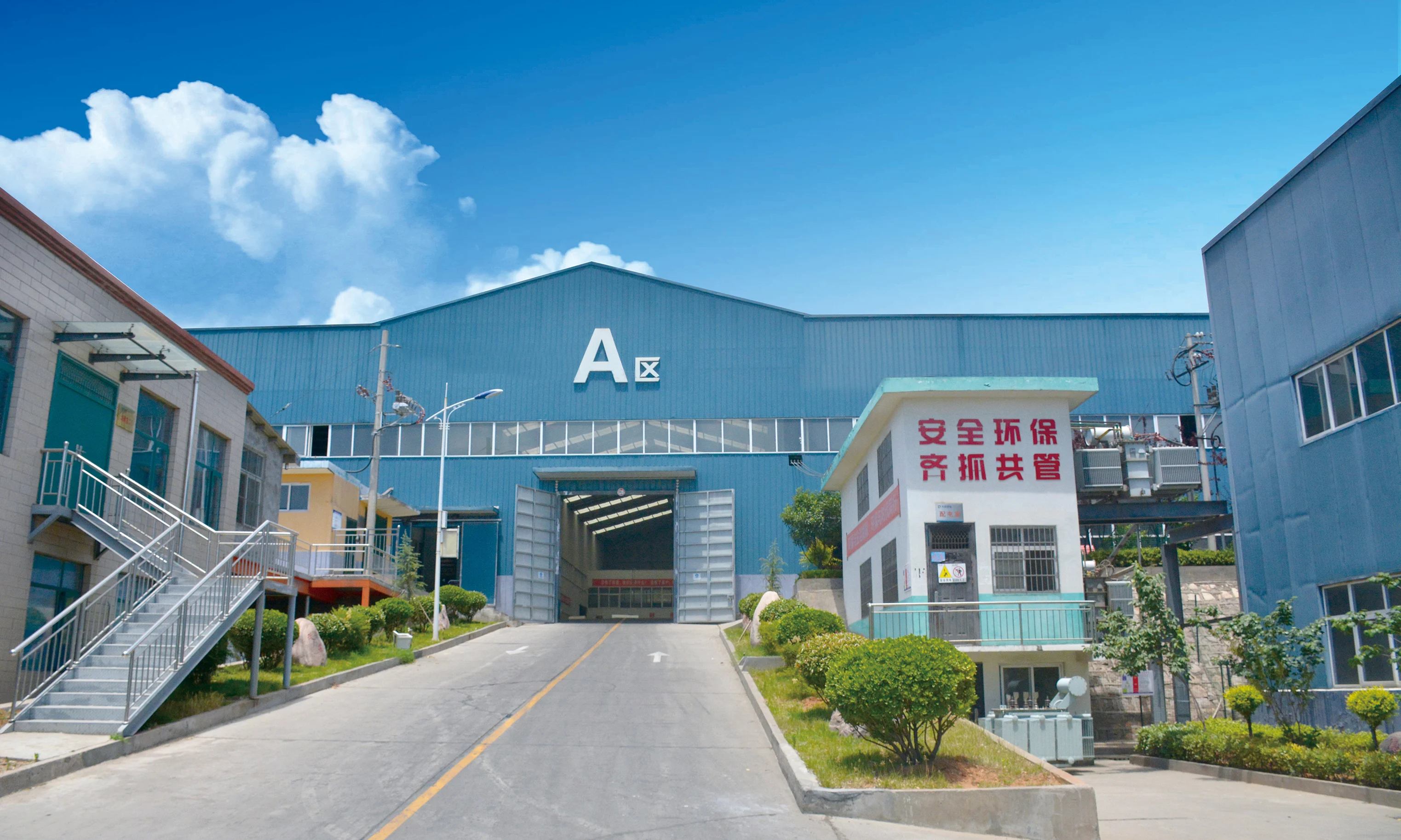
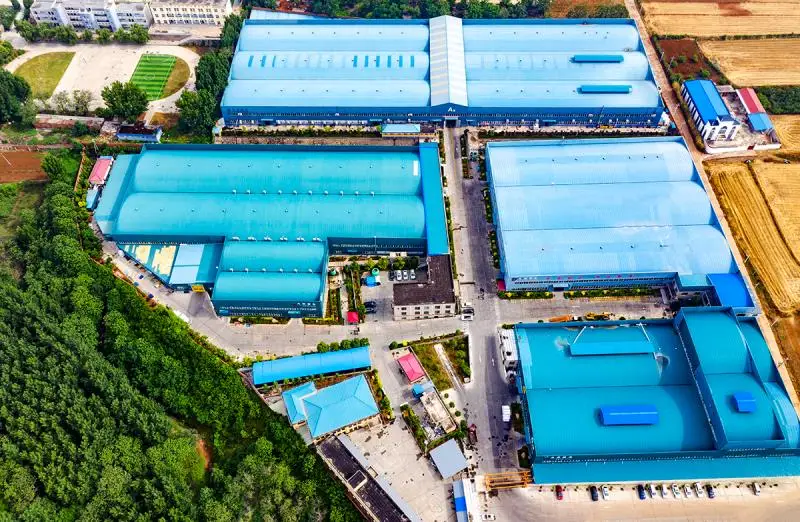
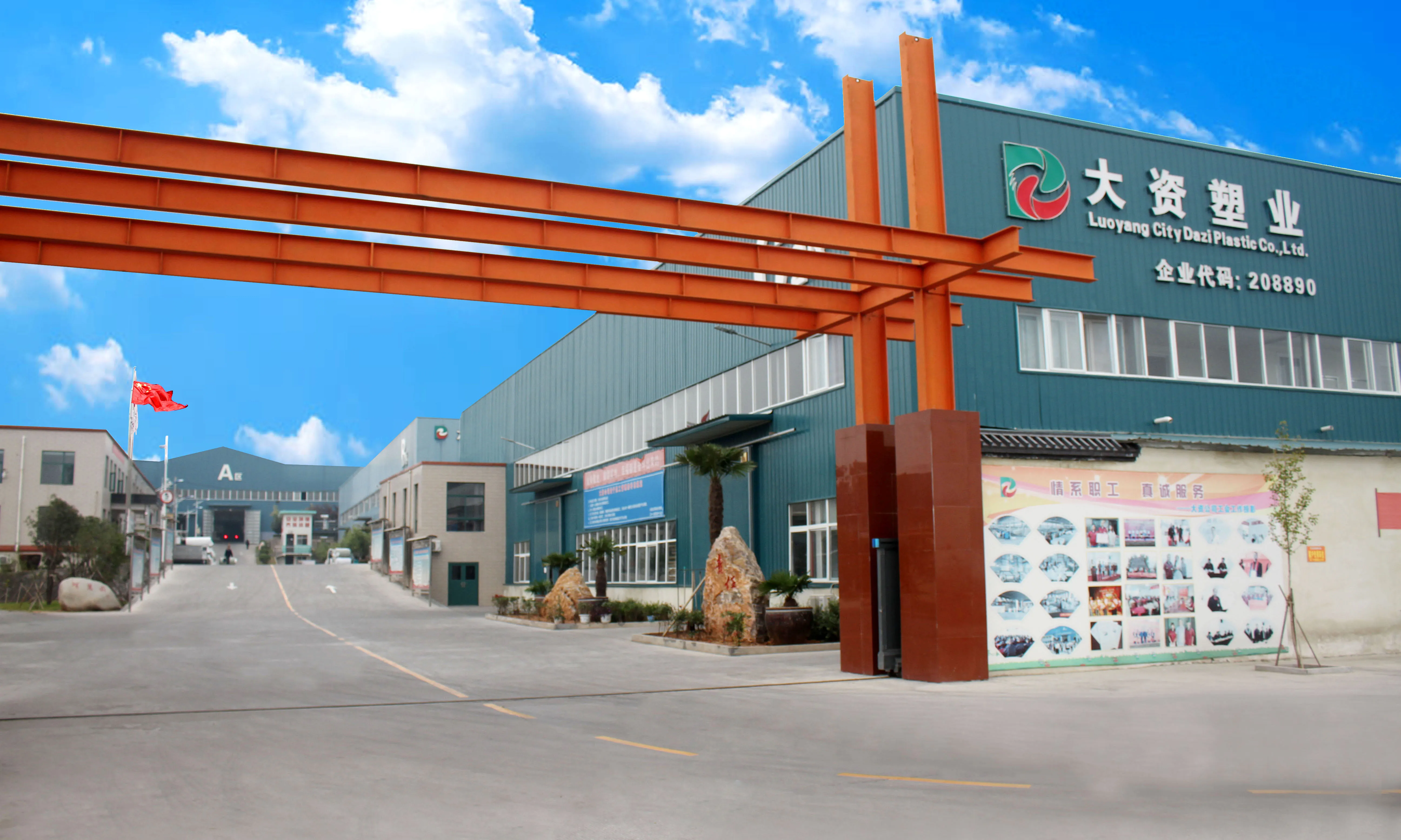
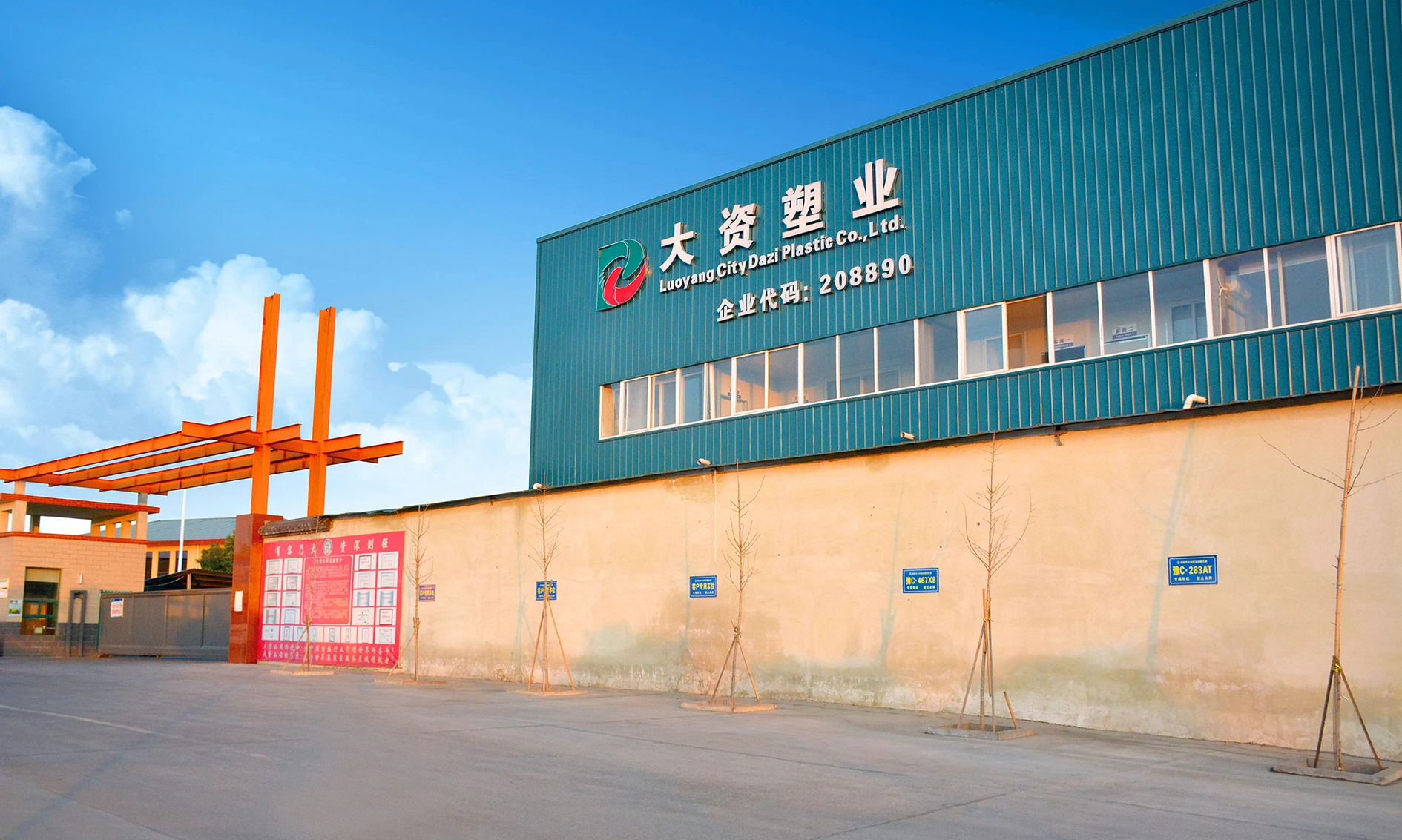
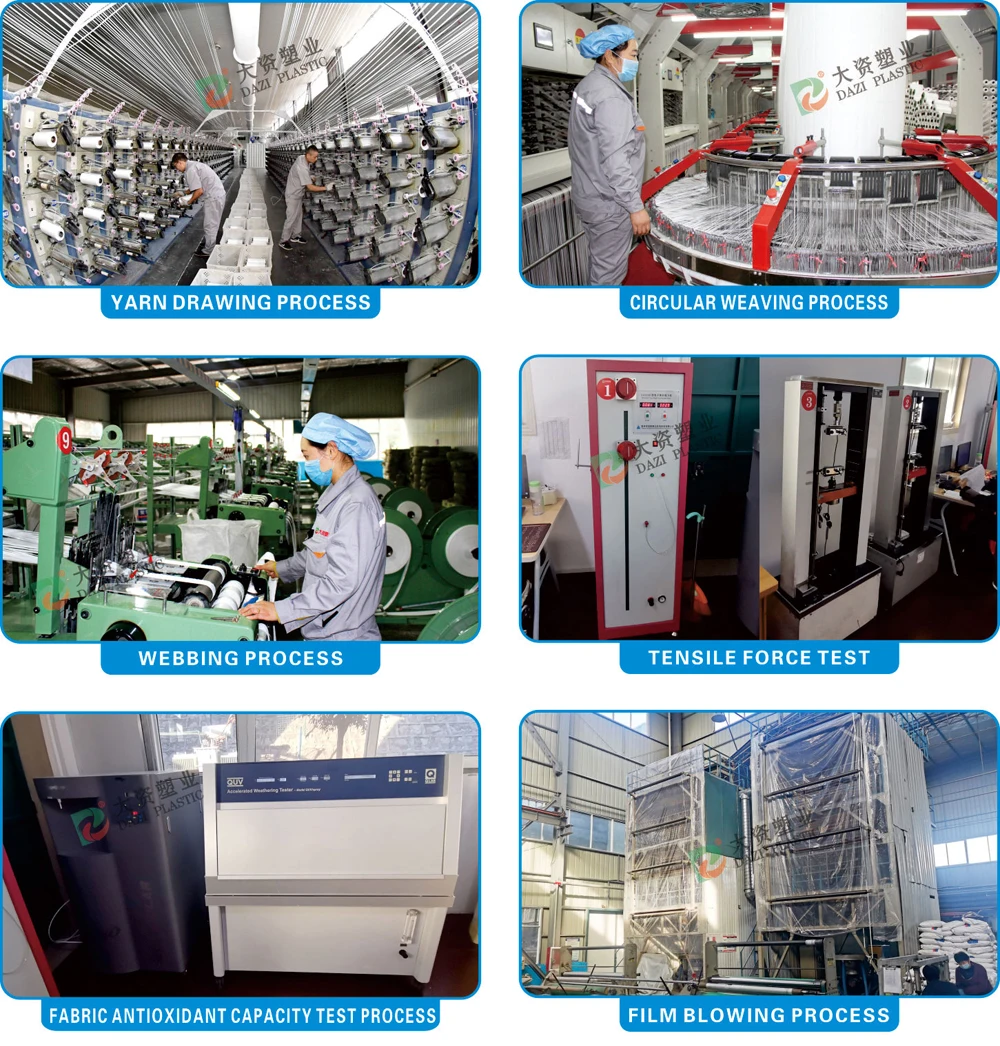
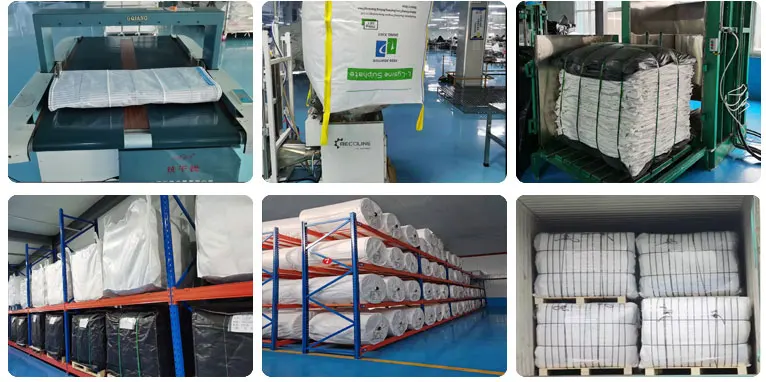
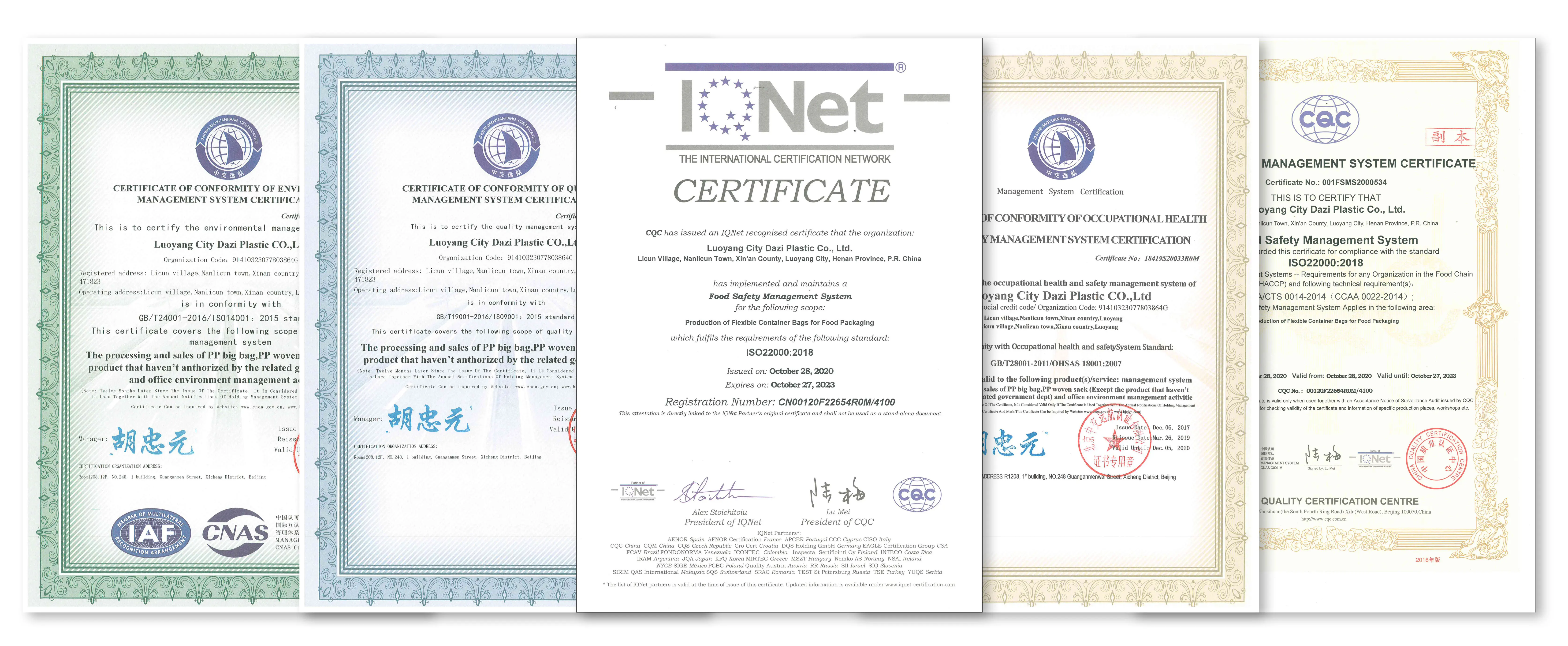
Luoyang City Dazi plastic Co., Ltd. is a comprehensive integrated enterprise with the production of yarn drawing, circular weaving, webbing, coating, film blowing, sewing and accessories material (sewing thread, polyester filler cord, etc.). Our company has a staff of over 458 people, covers an area of about 59,000 square meters, including a building area of about 49,000 square meters, and owns 4 modern plants which include the project of one hundred thousand level dust-free workshop for flexible container bags, the finished product out put of this project is about 80000 pcs / month. This project is equipped with complete physical and chemical indicators testing equipment, and all the equipment of this project adopt the advanced equipment at home and abroad, featuring advanced performance, convenient operation, stable operation, safety and reliability. Together with excellent polypropylene raw materials, stable auxiliary materials and advanced production technology, we can provide various products to customers and friends. Besides, We possess National industrial product production license and Informatization integration management system assessment certificate, and have passed I S O 9 0 0 1, I S O 1 4 0 0 1, O H S A S 1 8 0 0 1, and I S O 2 2 0 0 0. The advanced production equipment,professional production technology, scientific management system and complete detection means has guaranteed our products reach the international standard and sell well in over 10 countries and regions, especially in southeast Asia, Europe, United states.
Title goes here.
Semi-Automatic PET Bottle Blowing Machine Bottle Making Machine Bottle Moulding Machine PET Bottle Making Machine is suitable for producing PET plastic containers and bottles in all shapes.
|
Description
|
FIBC/Jumbo bag/bulk bag/ pp big bag/Flexible container bag professional manufacturer
|
|
Type of bag
|
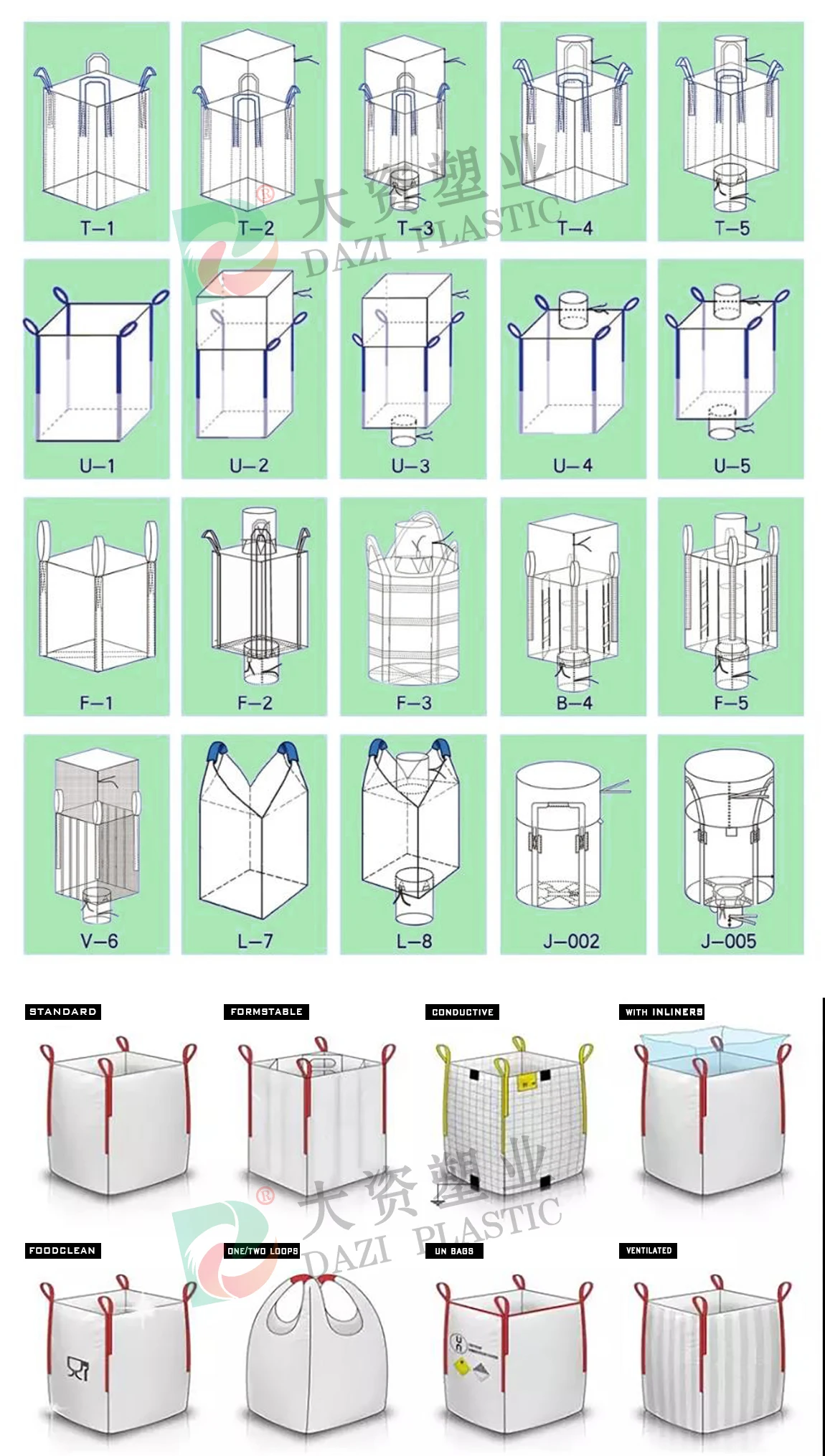
Tubular/Circular/U-panel shape//Rectangular
|
|
Material
|
100% Virgin PP
|
|
Fabric
|
Laminated/Plain/Vent/Conductive
|
|
Size
|
Customized
|
|
GSM
|
110gsm-230gsm
|
|
Color
|
Customized
|
|
Printing
|
Customized
|
|
Top
|
Full open/Filling spout/Top skirt/Duffle
|
|
Bottom
|
Flat/plain/with discharge spout
|
|
Liner
|
Liner(HDPE, LDPE) or Customized
|
|
Lifting loop
|
Cross-corner loops/4 Point 2 Strap lifting loop/Double Stevedore Strap/with belt/Fully belt loop/Loop in loop
|
|
Sewing
|
Plain/chain/chain lock with optional soft-proof
|
|
Ropes
|
1 or 2 around the bag body/customized
|
|
SWL
|
500-2000KG
|
|
SF
|
5:1/6:1/or as customer's requirement
|
|
Treatment
|
UV treated or not UV treated
|
|
Surface Dealing
|
Coated or plain,printing or no printing
|
|
Usage
|
Storage and packing
Mine,ore,fertilizer,chemical,onion,potato,grain,wheat,maize,rice,peanut,sugar,salt,agriculture,building
material,powder,cement,etc.
|
|
Processing
|
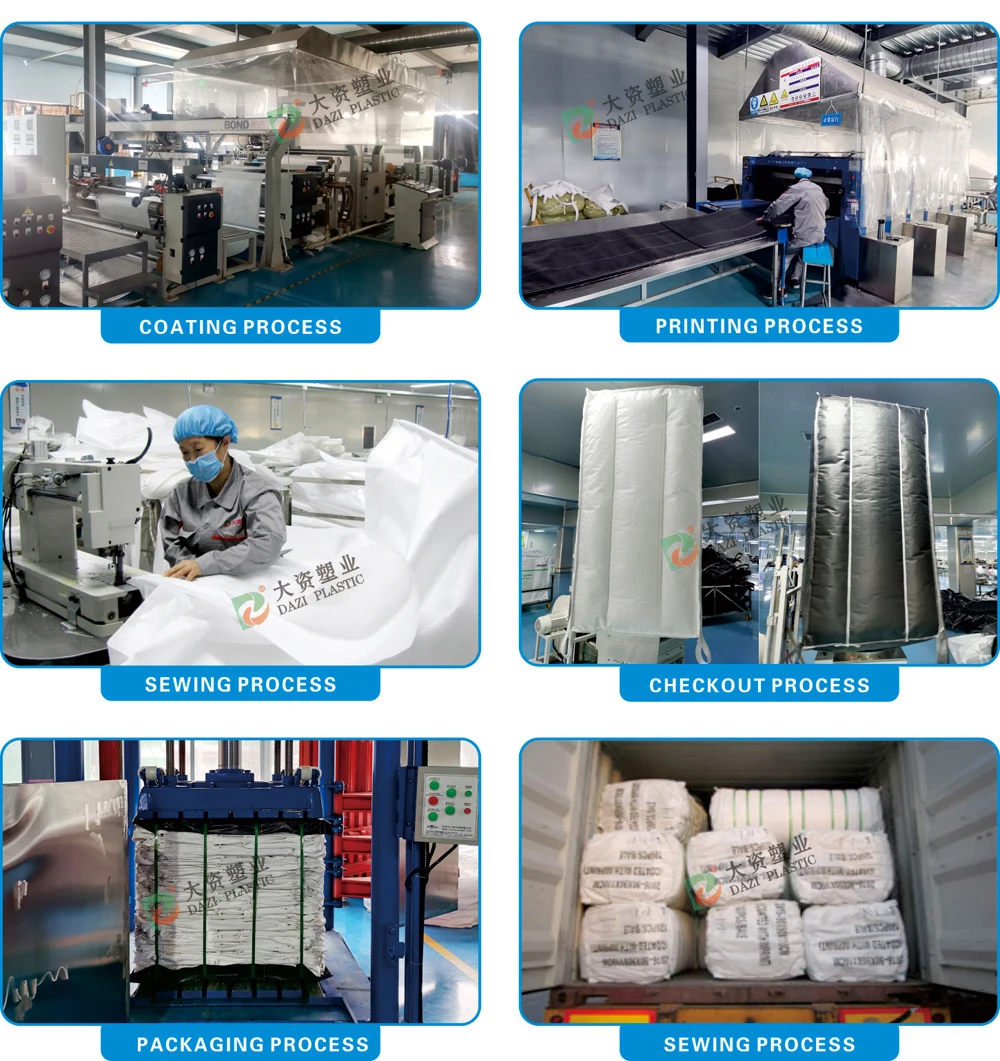
Yarn drawing-Circular weaving/Webbing-Quality inspection-Coating-Film
blowing-Cutting-Printing-Sewing-Checkout-Packaging-Transportation
|
|
Delivery time
|
15-30 days
|
|
Certification
|
ISO22000, ISO9001, ISO14001, LABORDATA, etc.
|
|
Remark
|
Please let us know your specific requirements
|
|
|
|
We can design and produce various kinds of products according to customer's requirements.
Production process: Yarn drawing--Circular weaving/Webbing--Quality inspection--Coating-Film blowing--Cutting--Printing--Sewing--Checkout-Packaging--Transportation
Q1:What's your Product Range?
1. Jumbo bag/ ton bag/ pp big bag/ super sack/ pp container bag.
2. Plastic woven bag,poly-woven bag.
3. Semi-finished product of all above(pp material, pp fabric, pp webbing, pp liner, Sewing thread, Leakproof sliver)
Q2:Are you a manufacture?
Yes,We have been in providing professional solution in plastic woven industry for over 20 years.
Q3:Do you have stock products to sell?
No ,We work on OEM orders.That means size material quantity packaging solution,etc will depend on your requests.
Q4:What information should I let you know if I want to get a quotation?
-The size of the bag (Length * Width * Height) or (diameter * height).
-The material and surface handing.
-The bag's color and the loop's color.
-The SWL and SF.
-The order quantity.
-The bag's working condition, usage, temperature, light application time, the goods save way.
- If it is possible, please also provide with picture design sketch for checking, sample will be best for clarifying, If not we
will recommend relevant products with details for your reference.
Q5: How can we guarantee quantity?
-Always a pre-production sample before mass production;
-Always final inspection before shipment;
Q6:How many time will the sample be finished? How your factory production scale?
-Generally,1-2 days for sample making.
-The lead time of mass production will depend on quantity,quality,existing orders.
Q7:How do you inspect the quality of our order?
-We have first-rate production equipment, advanced production technology, scientific management system and complete detection
means and also expert QC to ensure the quality of products.