FIBC bulk bags (Flexible Intermediate Bulk Containers), commonly known as jumbo bags or ton bags, are indispensable packaging carriers for storing, lifting, and transporting bulk granular, powdery, and lump industrial materials. However, many industrial buyers only focus on unit price when purchasing FIBC bulk bags, ignoring material matching, structural performance, and safety compliance. Mismatched or low-quality FIBC bags often lead to cargo leakage, bag rupture, material contamination, safety accidents, and increased logistics costs. This full buying guide systematically explains how to select high-quality FIBC bulk bags according to different industrial material characteristics, helping factories, logistics companies, and bulk material suppliers make cost-effective, safe, and standard-compliant purchasing decisions.
Why Material-Based FIBC Selection Is Critical for Industrial Applications
Different industrial materials have completely different physical and chemical properties: some are sharp and abrasive, some are ultra-fine and dusty, some are moisture-sensitive and perishable, and others are static-prone and flammable. A universal standard FIBC bag cannot meet all industrial scenarios.
Selecting high-quality FIBC bulk bags tailored to material features can effectively avoid two major problems: insufficient performance causing cargo risks and over-configured functions causing cost waste. Reasonable selection ensures stable packaging safety, long-term reusability, qualified customs inspection, and optimized comprehensive logistics costs, which is the core principle of professional industrial FIBC procurement.
Core Standards to Judge High-Quality FIBC Bulk Bags
Before matching specific industrial materials, buyers need to master the universal identification standards for high-quality FIBC bulk bags. Qualified industrial-grade FIBC products must meet the following five core indicators.
1. Reliable Load Capacity and Safety Factor
Load capacity determines the basic bearing safety of FIBC bags. High-quality FIBC bulk bags have clear rated load specifications ranging from 500kg to 3000kg. The most critical judging standard is the safety factor. Ordinary single-use FIBCs require a 5:1 safety factor, while reusable, long-distance shipping, and frequently handled FIBCs must reach a 6:1 safety factor.
High-quality products adopt high-tenacity PP woven fabric with uniform density, strong tensile strength, and no thin or loose areas. The lifting loop connection and bottom sealing are fully reinforced to prevent fracture during dynamic lifting, stacking, and transportation.
2. Qualified Inner Liner Matching
The inner liner is the key to protecting industrial materials. High-quality FIBC liners are made of pure HDPE material with uniform thickness, high barrier performance, and no peculiar smell. Depending on the material, it can be divided into dust-proof liners, moisture-proof waterproof liners, food-grade hygienic liners, and anti-corrosion liners. High-quality liners fit closely with the bag body without wrinkling, falling off, or breaking, completely avoiding material leakage and contamination.
3. Reinforced Structural Craftsmanship
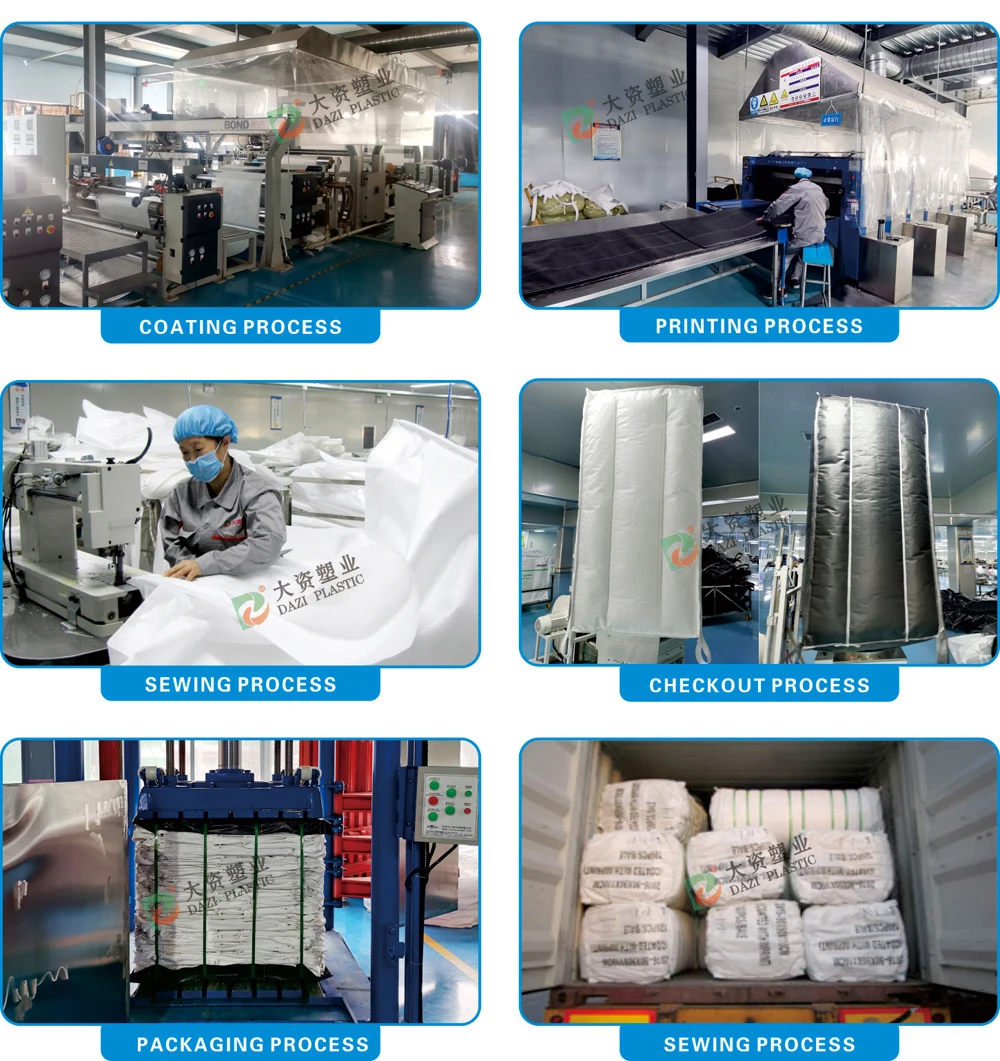
Structural quality determines the durability and stability of FIBC bulk bags. High-quality FIBCs adopt multi-layer dense stitching, edge banding reinforcement, integrated lifting loop connection, and thickened bottom pressure sealing. The overall structure resists tearing, stretching, and local stress concentration, adapting to frequent forklift handling, high stacking, and bumpy long-distance transportation.
4. Complete Safety Certifications
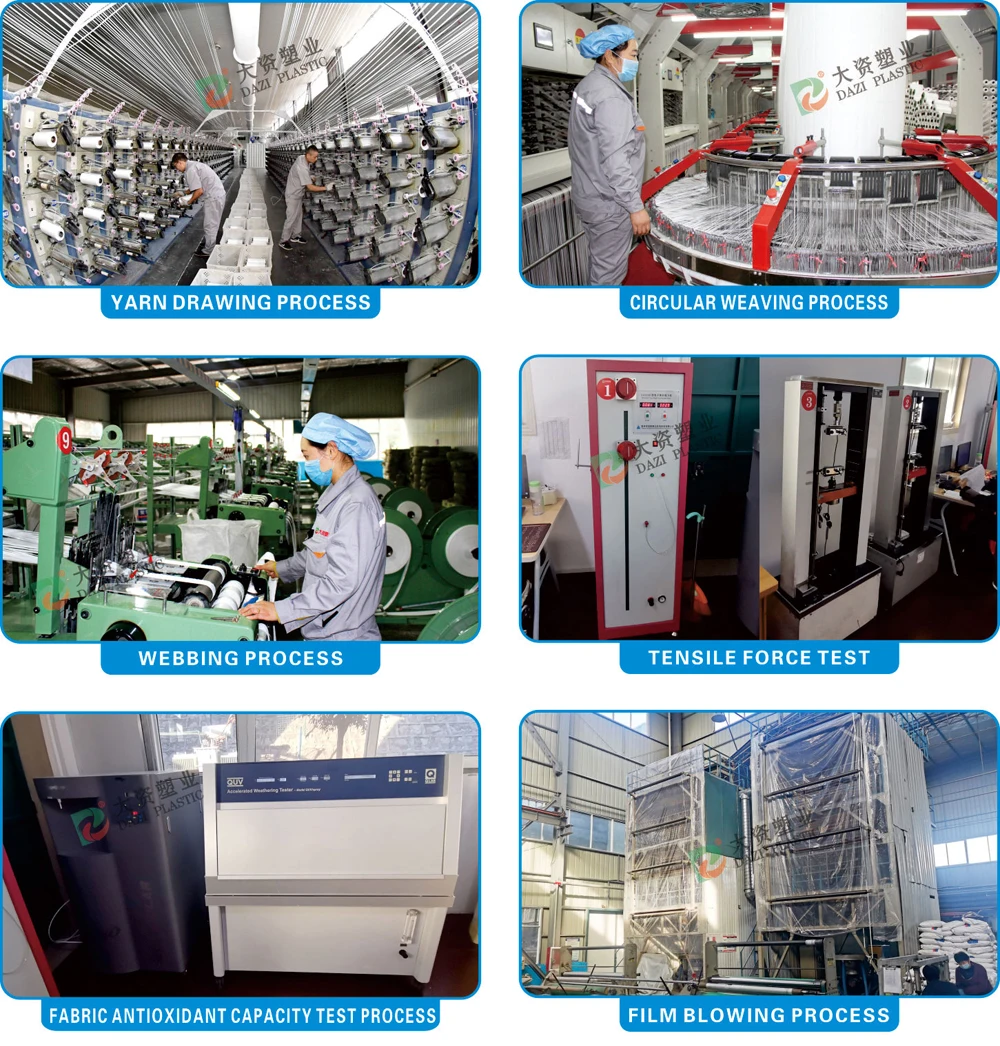
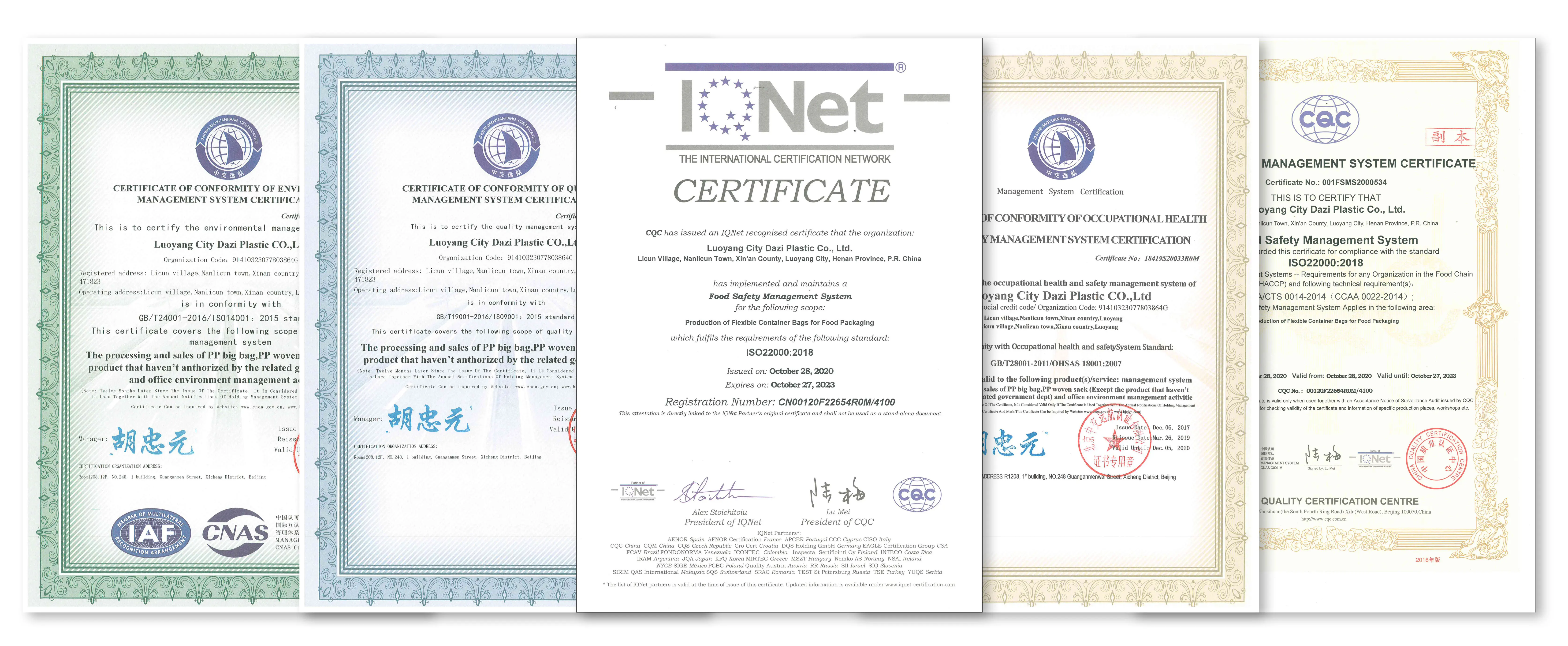
High-quality industrial FIBC bulk bags have complete factory inspection reports and industry certifications. Conventional industrial bags pass tensile, load, and aging tests; food-grade FIBCs comply with FDA and EU food contact standards; chemical-grade FIBCs have UN dangerous goods certification and anti-static qualification. Complete certifications ensure smooth factory inspection, warehousing management, and cross-border transportation customs clearance.
5. Targeted Functional Treatment
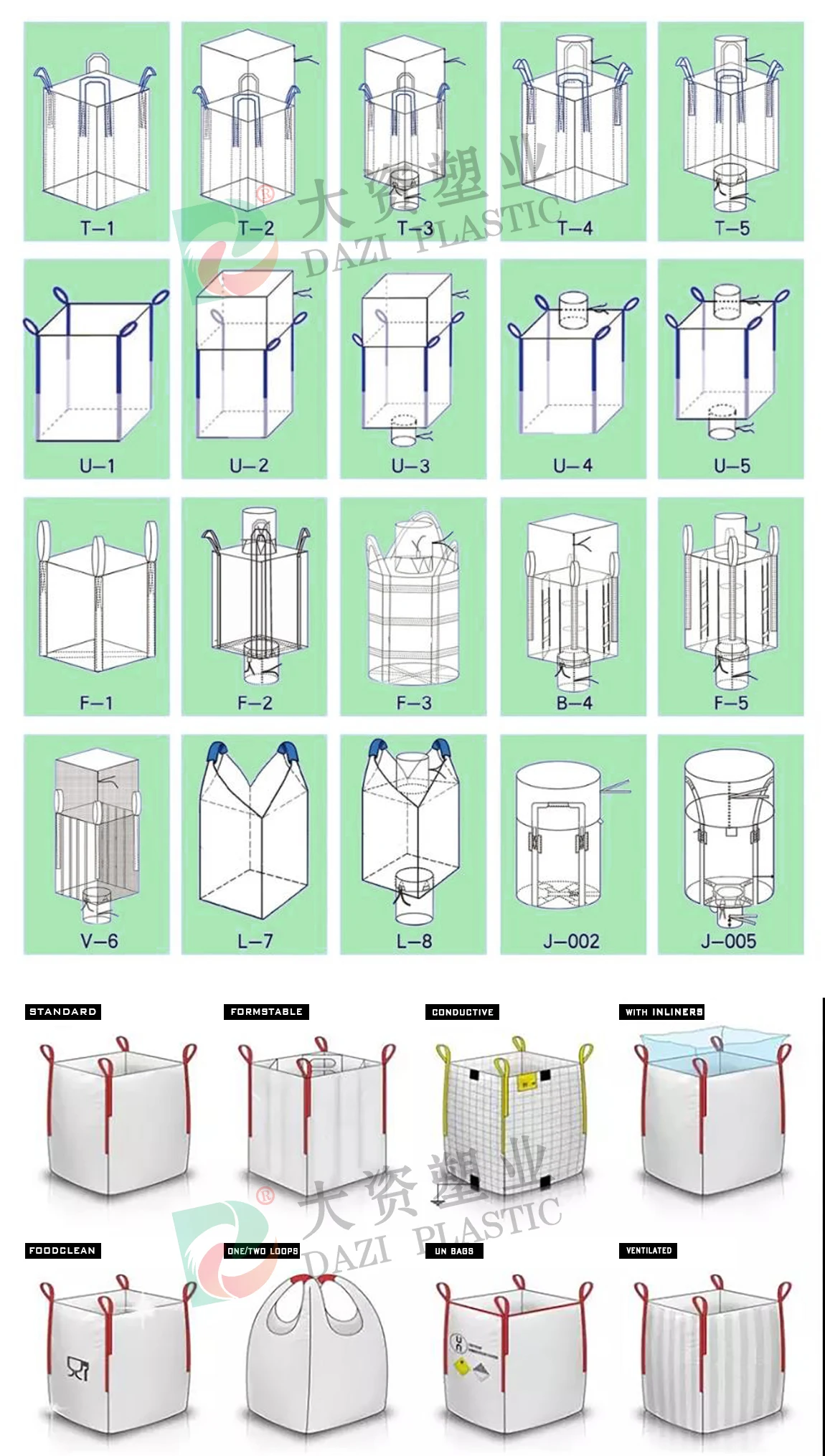
High-quality FIBCs are not single-functional. They support customized functional upgrades according to usage environments, including UV stabilization for outdoor storage, anti-static and flame-retardant treatment for chemical powders, breathable and mildew-proof design for agricultural materials, and high-density dust-proof structure for ultra-fine powders.
Scenario Selection: Select FIBC Bulk Bags by Industrial Material Type
The most practical purchasing rule is to match FIBC performance with material characteristics. Below is a detailed classification selection guide for mainstream industrial materials.
1. Abrasive & Heavy Bulk Materials (Ore, Coal, Gravel, Aggregate)
Material features: High density, heavy weight, sharp particles, strong friction, easy to puncture ordinary bags, mostly stored and transported outdoors.
FIBC selection requirements: Choose heavy-duty thickened FIBC bulk bags with high safety factor (6:1 priority). Select anti-wear and puncture-resistant woven fabric, reinforced edge and bottom structure, and UV-stabilized treatment. No complex liner is required for general ore materials, but enhanced dust-proof sealing is recommended for mineral powder to avoid environmental pollution and material loss.
2. Moisture-Sensitive Chemical & Fertilizer Materials
Material features: Easy to absorb moisture and deliquesce, prone to caking, partial chemical corrosion, requiring tight sealing.
FIBC selection requirements: Prioritizefully sealed FIBC bulk bags with thickened moisture-proof PE liners. Ensure excellent water vapor barrier performance. For corrosive chemical particles, choose anti-corrosion modified inner liners. For static-sensitive chemical powders, configure anti-static and conductive FIBC structures to eliminate explosion risks.
3. Flammable & Hazardous Chemical Powders
Material features: Static accumulative, flammable, explosive, high transportation safety requirements, subject to dangerous goods supervision.
FIBC selection requirements: Must select UN-certified anti-static FIBC bulk bags with flame-retardant and explosion-proof functions. The whole bag body can quickly release static electricity, avoiding dust explosion caused by static sparks. All products must have complete dangerous goods packaging certification to meet international shipping standards.
4. Food & Agricultural Raw Materials (Grain, Starch, Sugar, Feed)
Material features: High hygiene requirements, afraid of pollution, easy to mildew and absorb moisture, requiring non-toxic and sterile packaging.
FIBC selection requirements: Strictly select food-grade high-quality FIBC bulk bags made of pure new non-toxic PP raw materials, free of recycled materials and harmful additives. Equip food-grade waterproof and mildew-proof inner liners to isolate dust, bacteria, and moisture. Ensure compliance with global food contact safety standards to guarantee food raw material quality.
5. Ultra-Fine Industrial Powders (Talcum Powder, Calcium Carbonate, Flour Powder)
Material features: Fine particle size, easy dust leakage, easy to cause workshop pollution and material loss.
FIBC selection requirements: Adopt high-density dust-proof FIBC bulk bags with fully sealed structure and ultra-fine sealing liners. Optimize stitching density to prevent tiny powder leakage. The overall structure is smooth and tight, ensuring clean production environment and zero material loss.
6. General Industrial Particles (Plastic Pellets, Resin Particles, Rubber Granules)
Material features: Stable properties, non-corrosive, non-dusty, moderate protection requirements.
FIBC selection requirements: Select standard medium-load high-quality FIBC bulk bags with conventional dust-proof and moisture-proof functions. Focus on stable batch quality and balanced cost performance, suitable for repeated turnover and long-term warehouse storage.
Common FIBC Purchasing Mistakes to Avoid
-
Blind low-price pursuit: Excessively low-priced FIBCs often use recycled materials with insufficient safety factors, easily causing bag rupture and cargo loss.
-
Universal bag for all materials: Using ordinary FIBCs for chemical, dusty, and food materials leads to safety hazards and quality problems.
-
Ignoring environmental adaptability: Purchasing non-UV-resistant FIBCs for outdoor storage causes rapid aging and scrapping.
-
Neglecting certification compliance: Uncertified FIBCs cannot pass cross-border inspection and warehouse access, affecting normal shipment.
Final Purchasing Tips for High-Quality FIBC Bulk Bags
The best FIBC bulk bags are not the most expensive, but the most suitable for industrial materials and application scenarios. When purchasing, buyers should comprehensively evaluate material characteristics, load demand, storage environment, and transportation methods. Prioritize high-quality FIBC products with stable structure, reasonable functional configuration, and complete certifications. Scientific selection can effectively reduce cargo damage rate, extend bag service life, and reduce long-term comprehensive packaging costs for industrial bulk logistics.