Selecting qualified FIBC jumbo bags is one of the most critical steps to ensure safe storage, stable transportation, and cost-effective logistics for bulk cargo. Different bulk materials — including mining minerals, chemical powders, food grains, agricultural fertilizers, and construction aggregates — have distinct characteristics in weight, abrasiveness, moisture sensitivity, and chemical reactivity. Using generic FIBC bulk bags for all scenarios often leads to cargo leakage, bag rupture, product contamination, and even safety accidents. To help manufacturers, logistics suppliers, and procurement teams choose the right qualified FIBC jumbo bags for different bulk cargo scenarios, this guide shares professional selection standards, key technical parameters, and scenario-based matching rules.
Why Scenario-Based FIBC Selection Matters for Bulk Logistics
Many enterprises regard FIBC jumbo bags as simple universal packaging containers and ignore scenario matching. In practice, unqualified or mismatched FIBC bags cause huge hidden losses every year. Heavy sharp ore may puncture ordinary woven bags; hygroscopic food materials may deteriorate without moisture-proof liners; static-sensitive chemical powders face explosion risks with non-anti-static FIBC sacks.
Qualified FIBC jumbo bags tailored to specific bulk cargo scenarios can effectively eliminate safety hazards, reduce cargo damage rate, extend service life, lower overall packaging costs, and comply with international shipping and industrial safety standards. Reasonable selection is the core premise of standardized bulk material handling.
Key Technical Indicators to Judge Qualified FIBC Jumbo Bags
Before matching application scenarios, you need to master the core qualification standards of high-quality FIBC bulk bags. All certified qualified jumbo sacks must meet the following technical specifications:
1. Load Capacity & Safety Factor
Load weight is the primary selection index. Standard FIBC bags cover 500kg, 1000kg, 1500kg, and 2000kg super-large load specifications. Qualified industrial FIBC jumbo bags must reach a safety factor of 5:1 or 6:1, which means the bag can bear 5 to 6 times the rated load without breaking during lifting and stacking. For long-distance shipping and repeated turnover scenarios, a 6:1 high-safety factor is strongly recommended to avoid fatigue rupture.
2. Woven Fabric Density & Tear Resistance
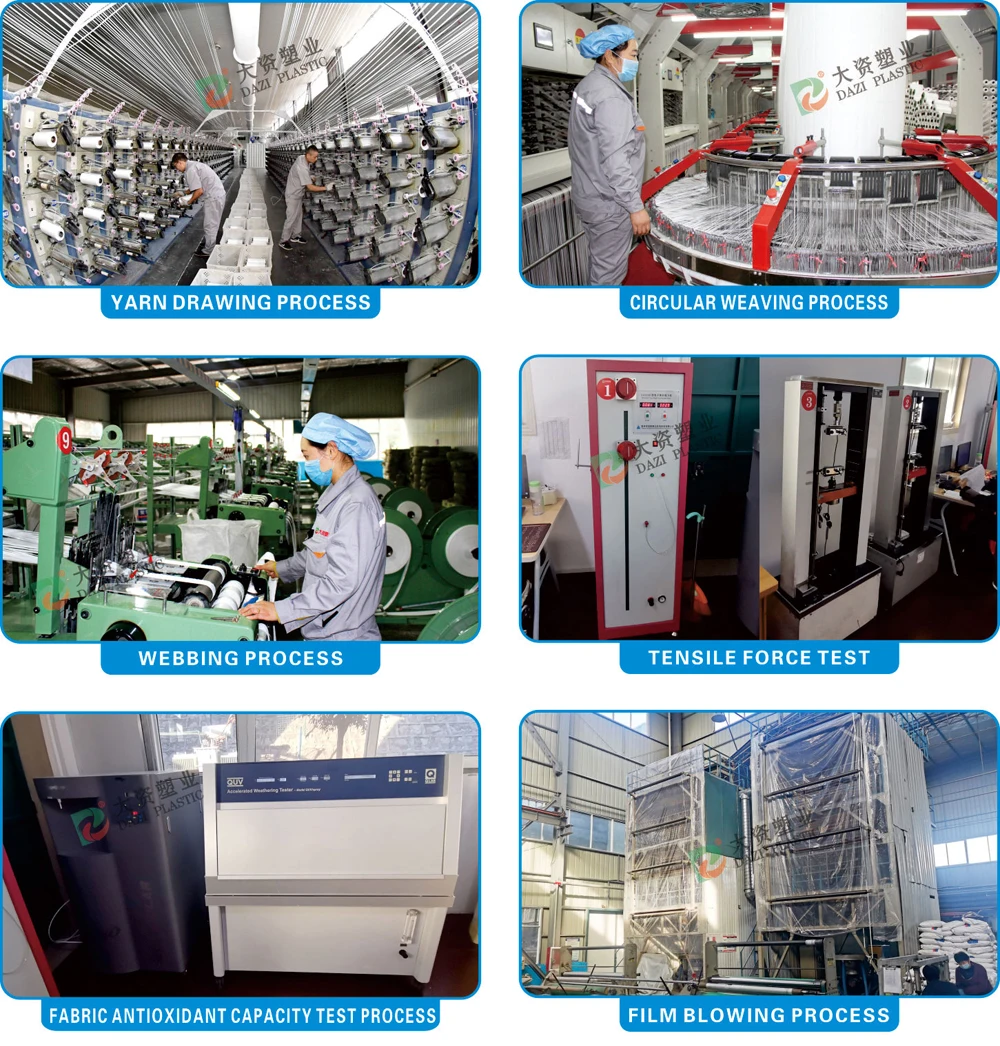
High-quality qualified FIBC bags adopt high-tenacity PP woven fabric with uniform density, tight weaving, and no loose threads. The fabric thickness and tensile strength directly determine puncture resistance and wear resistance. For abrasive bulk cargo, thickened heavy-duty woven materials are mandatory to prevent friction damage during transportation.
3. Structural Reinforcement Craftsmanship
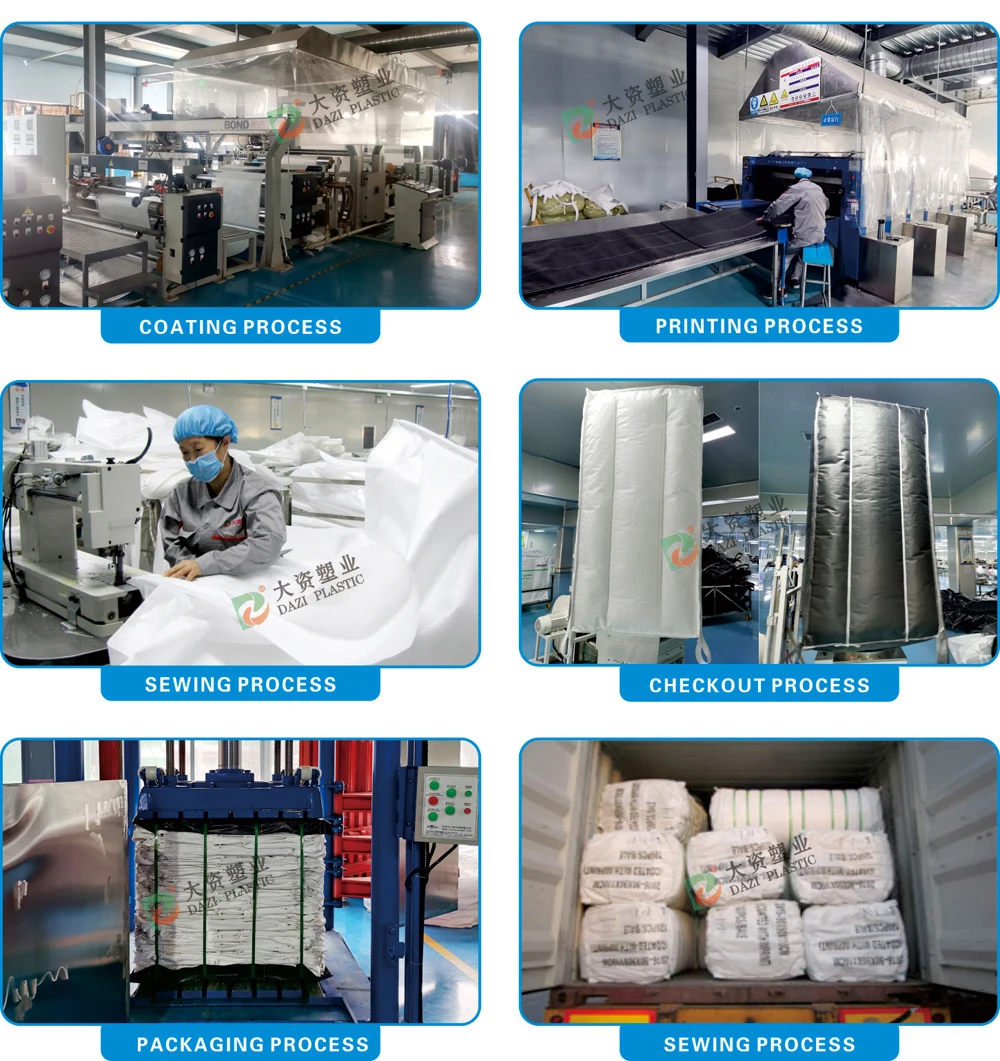
Qualified FIBC jumbo bags feature fully reinforced lifting loops, double-layer stitching, edge banding reinforcement, and tight bottom sealing. The lifting belt connection is the most stress-bearing part, and formal qualified products adopt integrated weaving or multi-layer sewing technology to avoid thread shedding and belt falling during hoisting.
4. Functional Auxiliary Performance
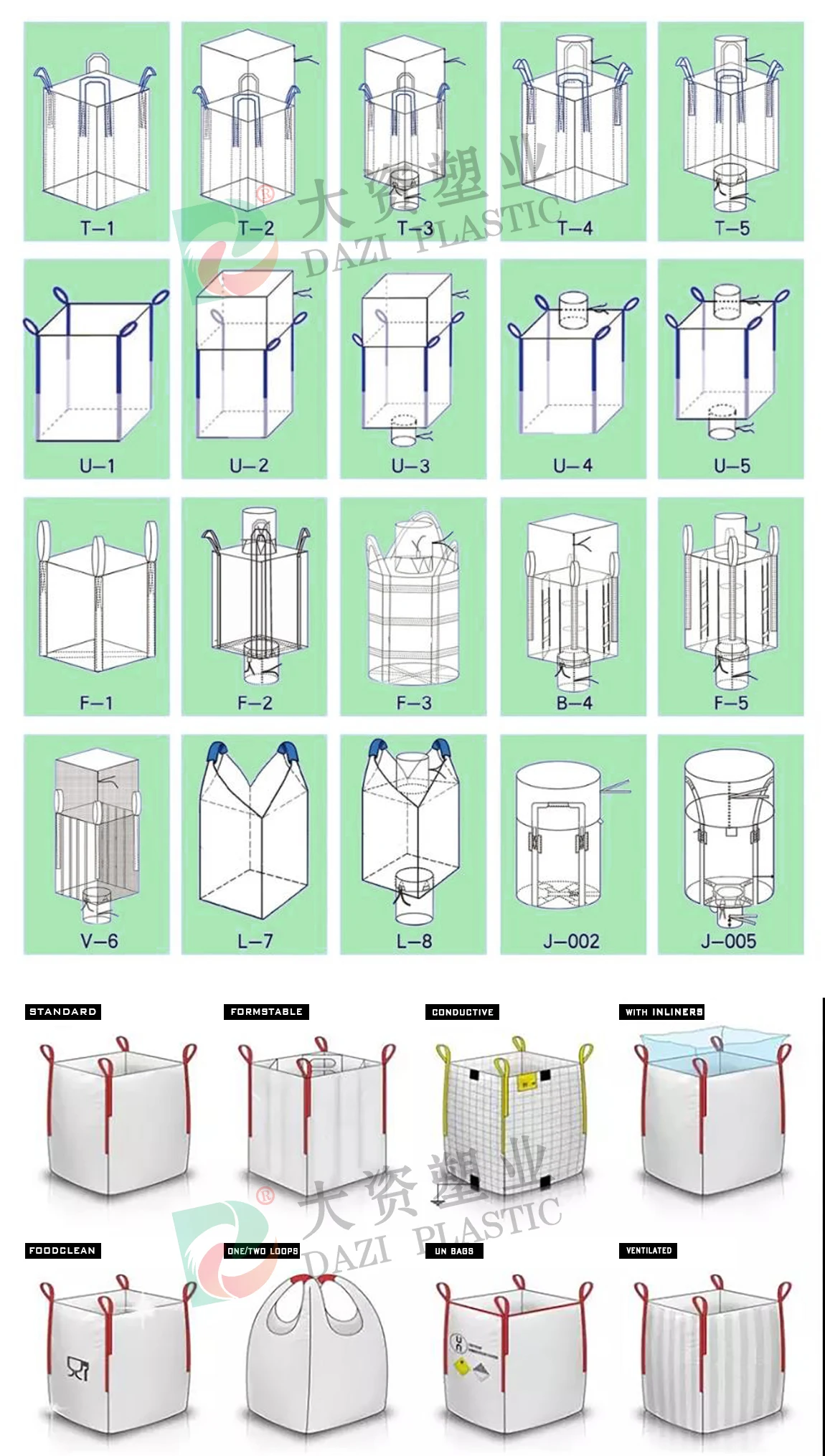
Professional qualified FIBCs support customized functional configurations including UV stabilization, anti-static treatment, dust-proof sealing, waterproof inner liner, and breathable structure. These functional designs are the key to adapting to different bulk cargo characteristics and outdoor working environments.
5. Standard Certification & Traceability
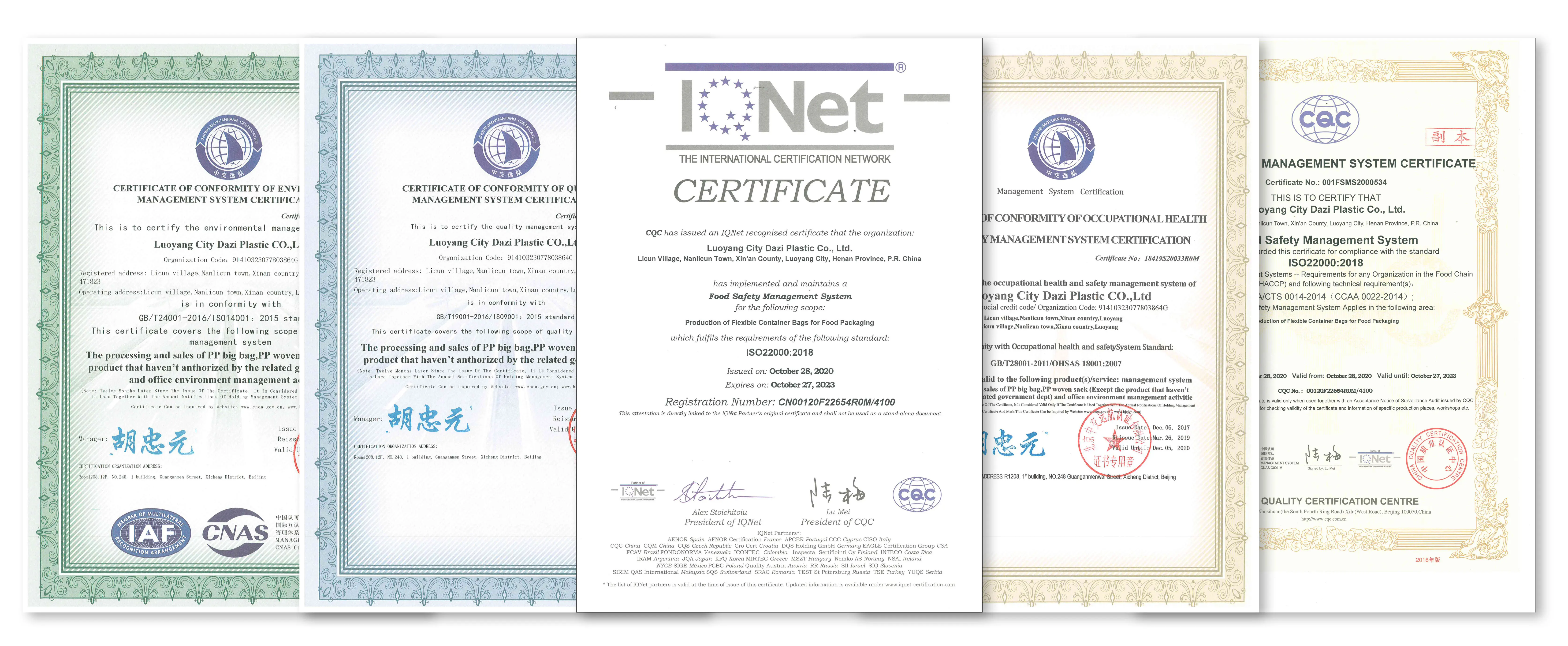
Formal qualified FIBC bulk bags must pass industrial quality inspection and support complete batch traceability. Chemical-grade models need UN certification, food-grade products need food safety compliance reports, and outdoor-grade bags need UV aging resistance test certificates.
Scenario-Based Selection Guide for Different Bulk Cargo
Different bulk cargo types have unique packaging risks. Below is the targeted matching scheme for mainstream industrial bulk scenarios, helping you quickly select qualified FIBC jumbo bags.
1. Mining Bulk Cargo: Ore, Coal, Mineral Powder, Aggregate
Cargo characteristics: Heavy weight, strong abrasion, sharp particles, open-air storage, long sunlight exposure, easy bag puncture and wear.
Qualified FIBC selection requirements: Choose heavy-duty UV-stabilized FIBC jumbo bags with thickened anti-wear woven fabric. Prioritize products with edge reinforcement and puncture-resistant design. Equip with dust-proof sealing structures to prevent mineral powder leakage. UV stabilization treatment is essential for outdoor stacking to avoid aging and brittleness caused by long-term sun exposure. High load-bearing models above 1 ton are recommended to match heavy mineral materials.
2. Chemical Bulk Cargo: Chemical Powder, Granular Reagent, Fertilizer, Hazardous Materials
Cargo characteristics: Static-sensitive, corrosive, moisture-prone, partial flammable and explosive, requiring high safety and tight sealing.
Qualified FIBC selection requirements: Select anti-static UN-certified chemical-grade FIBC bags. For ordinary chemical particles and fertilizers, adopt fully sealed and moisture-proof FIBC with PE inner liners to prevent deliquescence and caking. For hazardous and flammable chemical materials, must choose conductive and flame-retardant qualified FIBC jumbo sacks with complete UN transportation certification to eliminate static spark risks and meet international dangerous goods shipping standards.
3. Food Bulk Cargo: Grain, Wheat, Corn, Starch, Sugar, Food Additives
Cargo characteristics: High hygiene requirements, easy to absorb moisture, afraid of pollution, requiring non-toxic and sterile packaging.
Qualified FIBC selection requirements: Strictly select food-grade hygienic FIBC jumbo bags made of pure new non-toxic PP raw materials, without any recycled materials or harmful additives. The production workshop must meet dust-free standards. Match food-grade waterproof and mildew-proof inner liners to isolate external dust, bacteria, and moisture. Ensure the products pass food safety testing to avoid food raw material contamination and deterioration.
4. Agricultural Bulk Cargo: Seeds, Dried Crops, Feed, Organic Fertilizer
Cargo characteristics: Breathable demand, outdoor seasonal storage, moisture and mildew prone, moderate load requirement.
Qualified FIBC selection requirements: Choose breathable and mildew-proof qualified FIBC bulk bags. Appropriately increase UV stabilization performance to adapt to field outdoor stacking. For feed and organic fertilizer, adopt dust-proof and odor-isolating structures to prevent cross-contamination. No excessive high-load configuration is required, which effectively controls packaging costs while ensuring basic durability.
5. Construction Bulk Cargo: Sand, Gravel, Dry Mortar, Construction Waste
Cargo characteristics: Sharp texture, strong friction, complex construction site environment, frequent mechanical handling.
Qualified FIBC selection requirements: Adopt thickened heavy-duty tear-resistant FIBC jumbo bags with enhanced bottom bearing design. Optimize anti-puncture and anti-wear performance to cope with sharp gravel friction and heavy-load impact. The overall structure needs to adapt to frequent forklift handling and on-site turnover, with low failure rate and strong durability.
Common Selection Mistakes to Avoid
-
Blindly pursuing low prices: Low-cost unqualified FIBC bags usually use recycled materials with insufficient tensile strength, which are prone to rupture and cause huge cargo losses.
-
Universal bag for all scenarios: Ignoring functional differences, using ordinary bags for chemical and food scenarios leads to safety and hygiene risks.
-
Ignoring UV and aging resistance: Outdoor bulk cargo without UV-stabilized FIBCs will age and break in a short time.
-
Neglecting safety factor: Purchasing low safety factor FIBCs cannot adapt to lifting and stacking, easily causing safety accidents.
Final Tips for Purchasing Qualified FIBC Jumbo Bags
The best qualified FIBC jumbo bags are not the most expensive ones, but the most suitable ones for your bulk cargo scenarios. When purchasing, comprehensively evaluate cargo weight, material characteristics, storage environment, transportation mode, and safety standards. Prioritize regular manufacturers with complete qualification certifications, stable process quality, and scenario-based customization capabilities. Standardized matching and scientific selection can maximize packaging safety, reduce comprehensive logistics costs, and improve the overall efficiency of bulk material supply chains.