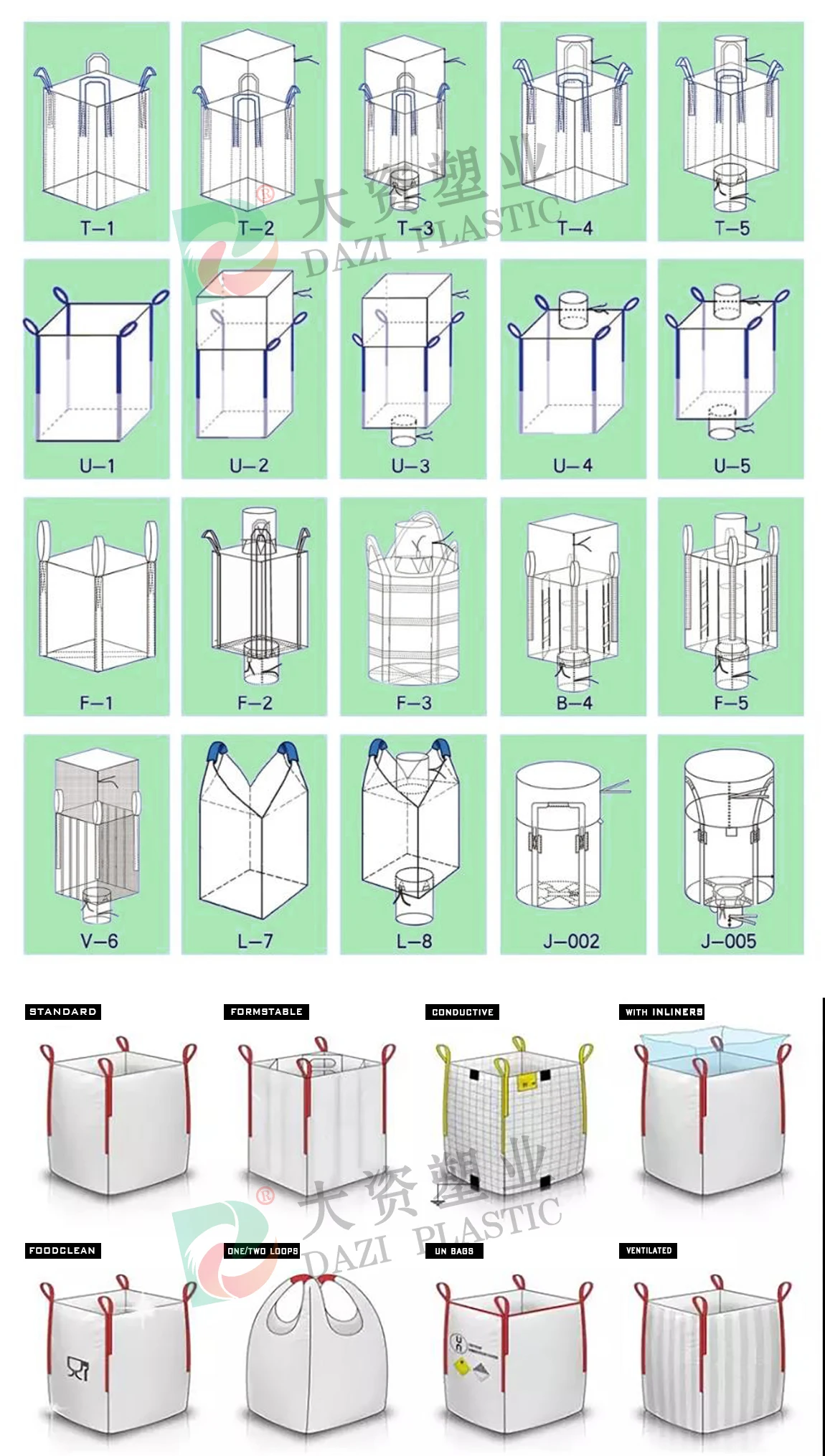
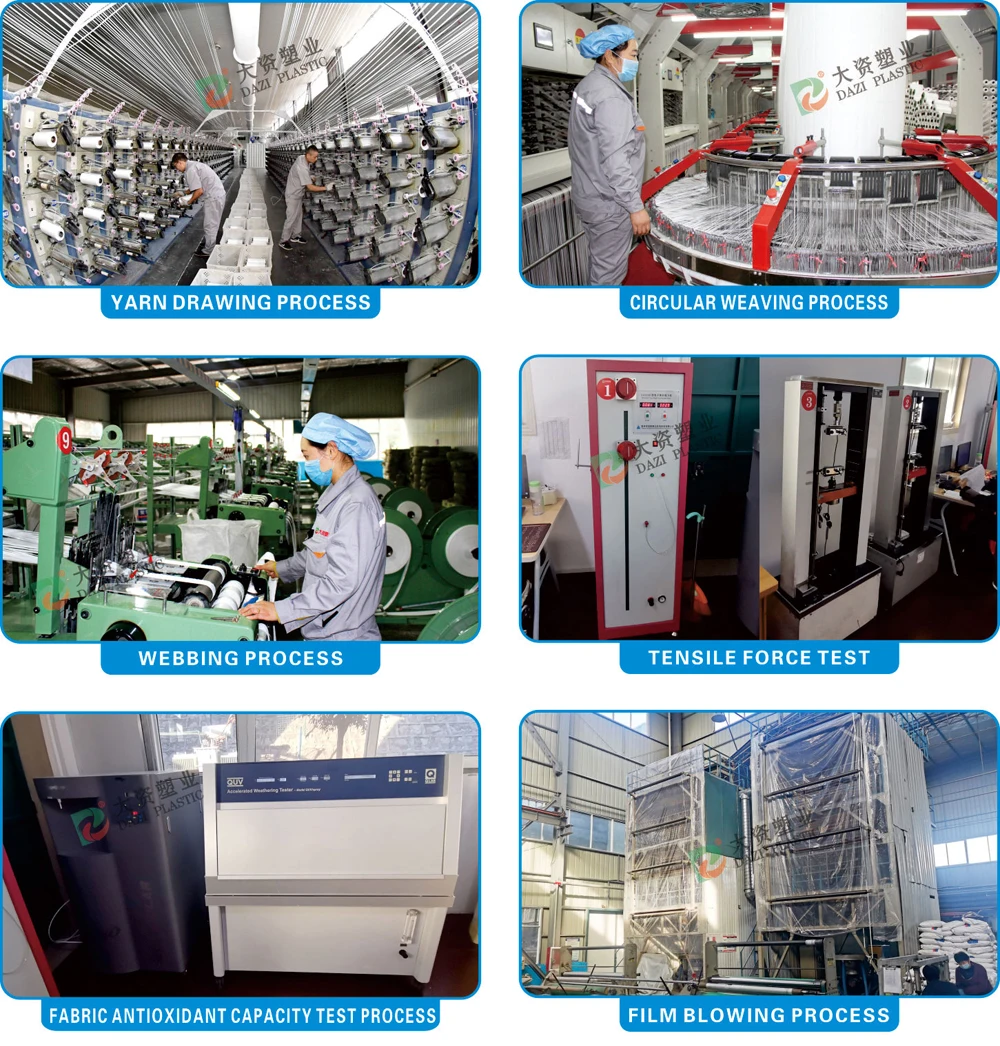
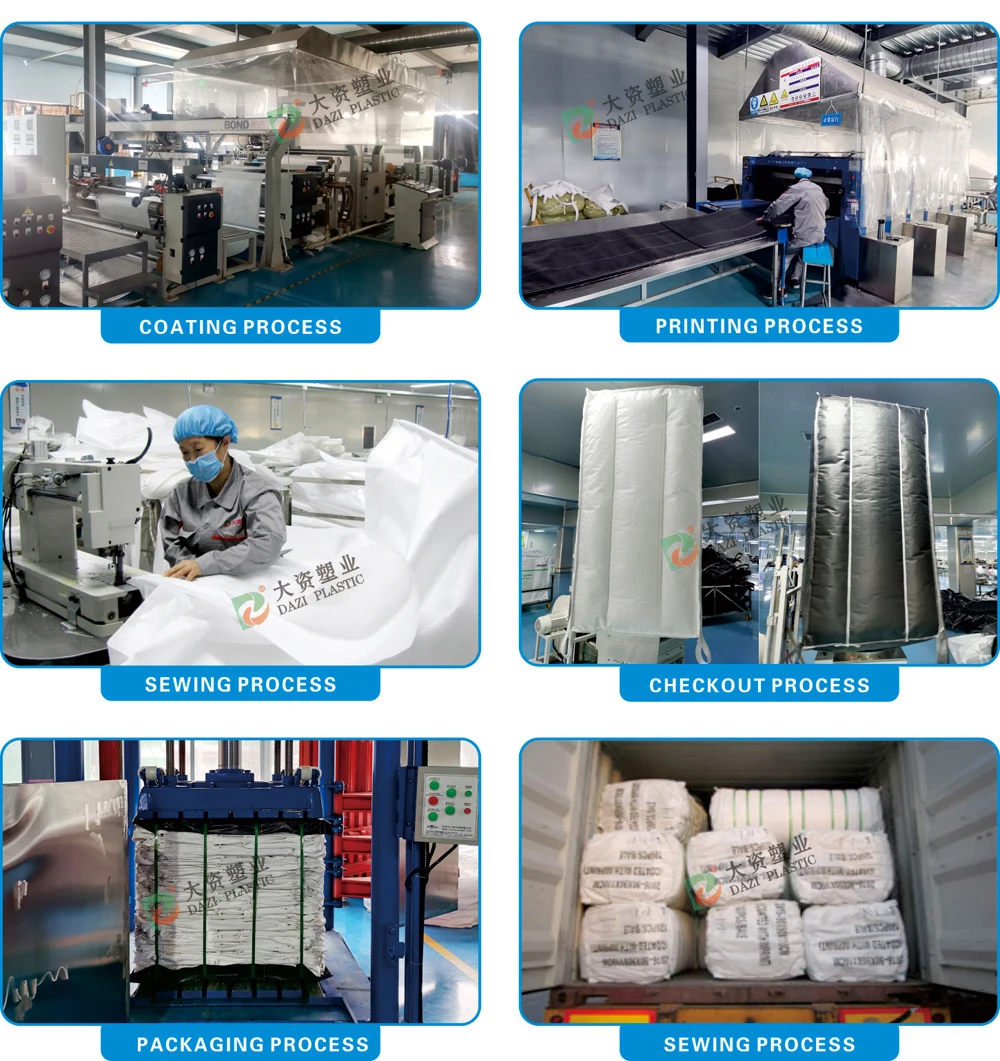
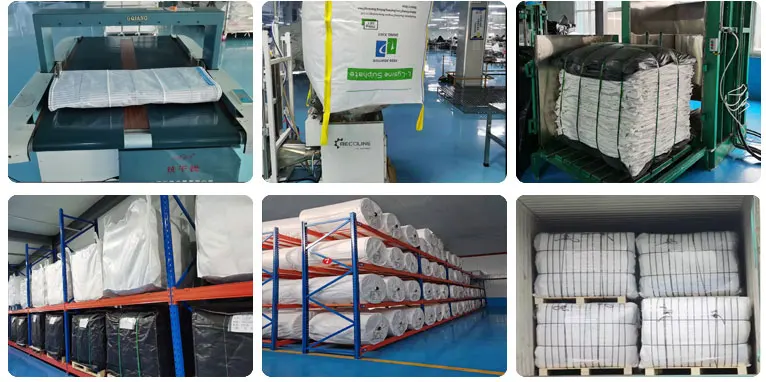
FIBC bulk bags are foundational packaging carriers for industrial bulk material storage, stacking and cross-regional transportation. While most procurement teams focus merely on load weight specifications and unit prices, three core technical indicators fundamentally determine FIBC service stability, environmental adaptability and operational safety: safety factor, coating type and load-bearing performance. These three criteria directly control whether bulk bags can withstand long-term stacking pressure, bumpy logistics vibration, outdoor weather erosion and frequent cyclic handling. Ignoring refined parameter matching often leads to hidden risks such as bag rupture, material leakage, structural fatigue and premature aging. This article systematically analyzes the practical selection logic of FIBC safety factor, coating configuration and load-bearing performance, helping industrial users achieve accurate, safe and cost-effective FIBC matching for diverse bulk scenarios.
1. FIBC Safety Factor: Core Benchmark for Long-Term Operational Safety
The safety factor refers to the proportional relationship between FIBC ultimate breaking load and rated working load, serving as the most critical safety threshold for preventing structural failure. It reflects the bag’s anti-fatigue capability and safety margin under extreme working conditions, including overloading, accidental impact and long-term static pressure.
In industrial applications, FIBC safety factors are mainly divided into two mainstream grades: 5:1 standard grade and 6:1 high-strength grade. A 5:1 safety factor means the FIBC can bear five times the rated load before structural damage, meeting basic single-trip transportation and short-term indoor turnover demands. It is suitable for low-risk inert materials, flat-ground transportation and non-repetitive handling scenarios with low fatigue load.
The 6:1 enhanced safety factor is designed for harsh working conditions with high fatigue and high uncertainty. It provides extra structural margin for multi-layer high stacking, long-distance bumpy road transportation, repeated lifting turnover and outdoor variable environment operation. For hazardous materials, high-density mineral bulk solids and reusable circulating FIBCs, the 6:1 safety factor is a mandatory standard to avoid invisible structural fatigue and delayed cracking failure.
Professional selection principles clarify that safety factor matching must prioritize working condition complexity rather than load weight alone. Even low-weight bulk materials used in frequent turnover and high-stacking scenarios require a 6:1 safety factor to eliminate long-term safety hazards.
2. FIBC Coating Type: Determine Environmental Adaptability and Material Protection Capability
Coating type is the key functional configuration that decides FIBC’s anti-aging, waterproof, dust-proof and anti-corrosion performance, directly matching different material characteristics and storage-transport environments. Different from uncoated bare fabric FIBCs, customized coating structures solve environmental erosion problems and expand FIBC scenario applicability.
Uncoated FIBC Fabric
Uncoated FIBCs adopt pure woven PP fabric without surface treatment, featuring breathable, lightweight and low-cost advantages. They are suitable for dry granular materials with no dust leakage risk and indoor short-term turnover scenarios, such as dry plastic pellets, clean mineral particles and grain raw materials. The breathable structure avoids internal condensation and material damp caking, but it cannot resist rainwater penetration, ultraviolet aging and fine powder leakage.
Single-Side PP Coated FIBC
Single-side coated FIBCs form a compact protective film on the outer fabric surface, achieving basic waterproof, dust-proof and anti-fouling effects. The outer coating blocks external moisture and floating dust, while the inner woven layer retains slight air permeability. This balanced structure is widely used for general chemical granules, building materials and agricultural bulk materials requiring outdoor temporary stacking and short-distance transportation.
Double-Side Fully Coated FIBC
Double-side coating realizes full sealing protection of inner and outer fabric layers, with excellent water resistance, anti-leakage and anti-corrosion performance. The dense coating completely isolates external moisture, salt fog and industrial pollutants, and effectively locks fine powder materials to prevent micro-leakage. It is the preferred configuration for fine chemical powder, hygroscopic materials, easily-damp industrial fillers and cross-border sea freight bulk materials, adapting to high-humidity and salt-fog marine environments.
Special Functional Modified Coating
For extreme industrial scenarios, anti-UV, anti-static and anti-corrosion customized coatings are available. UV-stabilized coatings delay fabric aging and yellowing under long-term sunlight exposure; anti-static coatings suppress static accumulation for flammable powder materials; chemical-resistant coatings resist weak acid and alkali corrosion, meeting the special protection needs of differentiated hazardous bulk materials.
3. Load-bearing Performance: Structural Rationality Determines Actual Bearing Stability
Many users simply equate load-bearing performance with single bag weight capacity, ignoring the systematic structural composition of FIBC load-bearing capacity. Practical FIBC load-bearing performance is jointly determined by fabric gram weight, stitching reinforcement, lifting loop structure and force dispersion design, which ensures stable bearing without local rupture under rated load.
Fabric Tensile Strength and Gram Weight Matching
High-load FIBCs adopt high-gram-weight high-density woven PP fabric with higher tensile strength and puncture resistance. Thin low-gram-weight fabrics can barely meet static load standards but are prone to local tearing under dynamic vibration and friction. For abrasive, high-density bulk materials, thickened high-tensile fabric is the basic guarantee of stable load-bearing performance.
Stitching and Stress Point Reinforcement
Most FIBC rupture failures occur at stitching seams and lifting connection points rather than the bag body fabric. Professional load-bearing optimized FIBCs adopt multi-layer overlapping stitching, high-tension industrial thread and stress gasket reinforcement at lifting loops and bottom corners. This structural design disperses concentrated tension during lifting and stacking, avoiding local stress overload and stitching cracking. High-quality load-bearing FIBCs realize overall uniform force bearing, eliminating weak structural points.
Bottom and Sidewall Load Dispersion Design
Long-term static stacking load mainly acts on the FIBC bottom and sidewalls. Reinforced thickened bottom structure and integral tension sidewall design effectively disperse vertical stacking pressure and lateral expansion tension, preventing bottom bulging, sidewall deformation and permanent structural fatigue. This optimized load-bearing structure ensures that the FIBC maintains intact shape and stable performance after long-term high stacking storage.
Scenario-Based Matching Rules of Three Core Criteria
Scientific FIBC selection requires comprehensive matching of safety factor, coating type and load-bearing performance according to actual working conditions, avoiding single-index over-specification or under-specification:
-
Indoor dry granular material turnover: 5:1 standard safety factor + uncoated breathable fabric + standard load-bearing structure, achieving optimal cost performance
-
Outdoor temporary stacking and road transportation: 6:1 high safety factor + single-side coating + reinforced sidewall load-bearing design, anti-aging and anti-deformation
-
Fine powder and hygroscopic chemical materials: 6:1 safety factor + double-side full coating + fully reinforced stitching structure, anti-leakage and moisture-proof
-
Cross-border sea freight and humid environment logistics: 6:1 enhanced safety factor + UV/salt-fog resistant coating + thickened full load-bearing structure, adapting to complex marine environments
-
Reusable cyclic bulk logistics: 6:1 high fatigue-resistant safety factor + durable modified coating + overall reinforced load-bearing system
Common Selection Mistakes to Avoid
A typical wrong selection habit is blindly pursuing low price while reducing safety factor and coating configuration, resulting in frequent bag damage and material loss. Another common mistake is over-reliance on load weight labeling without checking structural load-bearing details, leading to unqualified actual bearing capacity. In addition, mismatched coating types will cause either material damp pollution or redundant cost waste. Only the organic combination of safety margin, environmental protection function and structural load-bearing performance can realize reliable FIBC application.
Conclusion
Safety factor, coating type and load-bearing performance are the three irreplaceable core selection criteria for standardized FIBC bulk bag procurement and application. The safety factor determines the overall safety margin and anti-fatigue capability, coating type defines environmental adaptability and material protection level, and load-bearing performance guarantees structural stability in actual handling and stacking. Industrial users should abandon single-dimensional weight-based selection logic and adopt systematic scenario matching to select targeted FIBC configurations. This refined selection method effectively reduces operational safety risks, cuts comprehensive logistics costs and extends FIBC service life, providing solid guarantees for standardized and efficient bulk material logistics management.