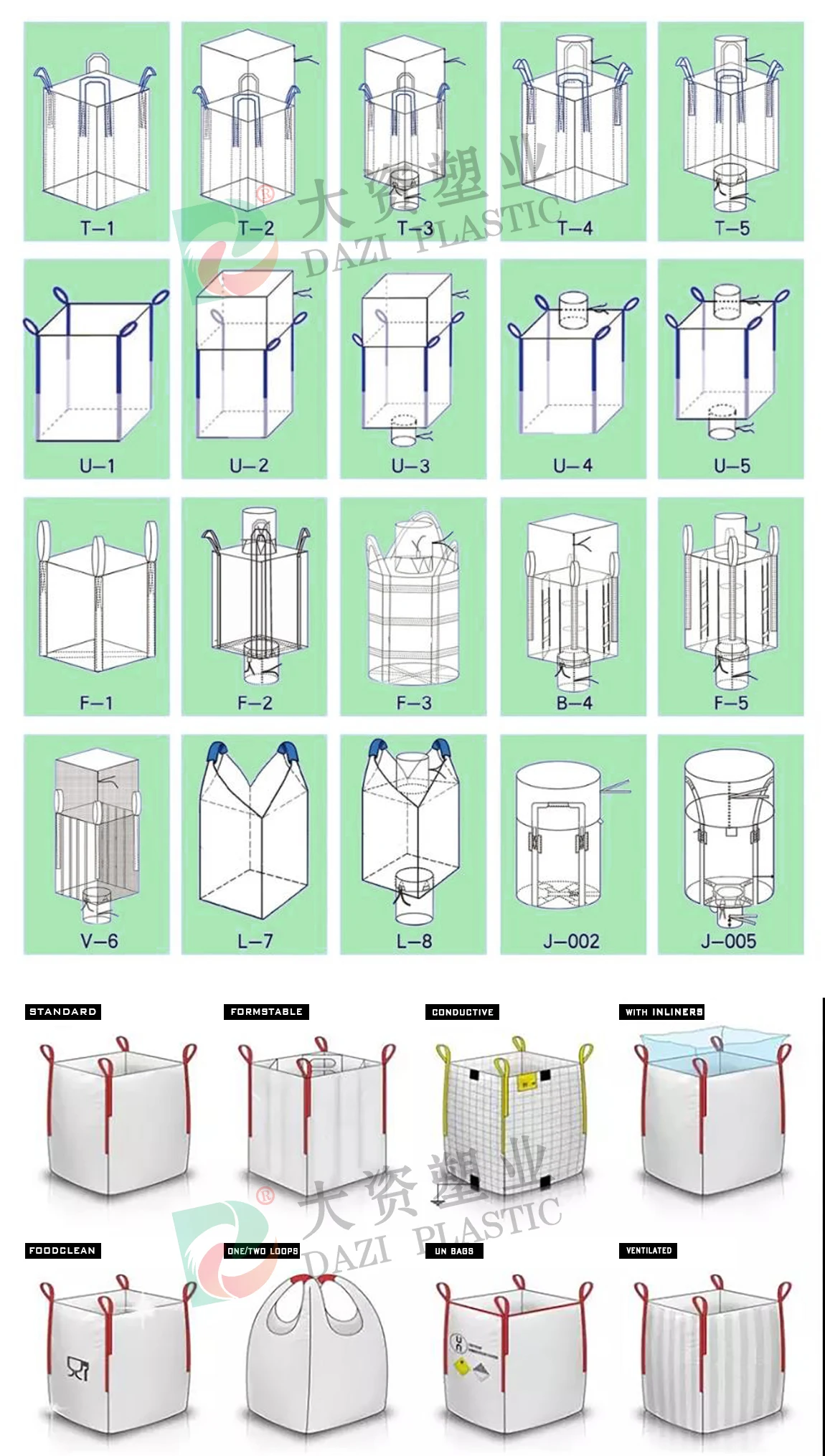
Chemical raw materials, including fine chemical powders, granular chemicals, industrial additives, and flammable chemical particles, have strict packaging safety requirements during storage, handling, and cross-border transportation. Unlike ordinary bulk goods, most chemical materials are prone to static accumulation, dust volatilization, and chemical sensitivity. Friction during filling, stacking, and long-distance shipping easily generates static electricity, which may trigger dust explosions, chemical combustion, or safety accidents when using standard insulating FIBC bags. Therefore, choosing qualified anti-static FIBC bulk bags is the core safety measure for standardized chemical raw material transportation. This complete guide explains anti-static FIBC types, key selection criteria, functional matching, and industry compliance tips to help chemical manufacturers and logistics teams select safe, suitable, and cost-effective anti-static bulk packaging.
Why Chemical Raw Material Transportation Needs Anti-static FIBC Bulk Bags
Ordinary FIBC bulk bags are made of pure polypropylene woven fabric, which is highly insulating. When packing powdery, granular, and dry chemical raw materials, continuous friction between materials and the bag wall creates static charges that cannot dissipate effectively. In closed containers, warehouses, and cargo holds, accumulated static electricity can produce electric sparks, posing fatal risks for flammable, combustible, and explosive chemical materials.
In addition to explosion hazards, static electricity also causes common industrial problems such as powder adhesion, difficult discharging, dust flying, and material contamination. For hygroscopic and high-purity chemical raw materials, static-induced dust absorption will reduce product purity and affect batch quality. Using professional anti-static FIBC bulk bags can completely eliminate static risks, stabilize product quality, and meet international chemical logistics safety standards.
Two Core Types of Anti-static FIBC Bags for Chemical Logistics
In industrial chemical transportation, anti-static FIBC bulk bags are mainly divided into Type C and Type D according to international IEC and industrial packaging standards. Their working principles and applicable scenarios are different, which must be accurately matched according to chemical material characteristics and operating environments.
Type C Grounded Anti-static FIBC Bags
Type C FIBCs are woven with continuous conductive yarns to form a complete internal conductive network. They rely on professional grounding connection to quickly export static electricity generated by material friction. This type of anti-static bag features stable static elimination performance and cost-effectiveness, suitable for most ordinary flammable chemical powders and granular chemical raw materials.
Applicable scenarios: Fixed factory filling operations, standardized warehouse stacking, and container sea freight with reliable grounding conditions. Limitation: Type C FIBCs must be strictly grounded during use; otherwise, the anti-static function will fail completely.
Type D Static Dissipative Anti-static FIBC Bags
Type D FIBCs adopt advanced static-dissipative woven fabric, which can automatically release static charges without grounding equipment. It suppresses static discharge and avoids spark generation in any open or mobile operating environment. With higher safety levels, Type D bags are designed for high-risk chemical materials and complex transportation scenarios.
Applicable scenarios: Open-air handling, mobile loading and unloading, ungrounded temporary storage, and transportation of high-purity, ultra-fine, and highly explosive chemical raw materials. It is the safest anti-static packaging solution for high-risk chemical logistics.
Key Factors to Select Qualified Anti-static FIBC Bags for Chemical Materials
Chemical raw materials feature diverse properties such as flammability, hygroscopicity, corrosiveness, and fineness. Simply choosing generic anti-static bags cannot meet industrial safety requirements. Buyers need to comprehensively evaluate the following core indicators to achieve precise matching.
1. Match Anti-static Type According to Chemical Risk Level
For common non-high-risk flammable chemical granules and conventional industrial powders with standardized operating conditions, cost-effective Type C grounded anti-static FIBCs are sufficient. For ultra-fine chemical powder, easily explosive chemical additives, and scenarios without stable grounding conditions, Type D ground-free anti-static FIBCs must be prioritized to avoid safety dead ends.
2. Sealing and Dust-proof Performance for Fine Chemical Powder
Most chemical raw materials are ultra-fine powders that are easy to leak and float. High-quality anti-static FIBC bulk bags for chemical transportation adopt encrypted stitching, fully sealed spout design, and high-barrier inner liners. The tight structure prevents chemical powder leakage and dust floating, avoiding the formation of flammable dust clouds in the transportation space and eliminating secondary explosion risks.
3. Moisture-proof and Corrosion-resistant Functional Adaptation
Many chemical raw materials are hygroscopic, deliquescent, and slightly corrosive. Qualified chemical-grade anti-static FIBCs support customized moisture-proof, waterproof, and anti-corrosion inner liners. The composite structure isolates humid air and chemical micro-corrosion, preventing chemical caking, deterioration, and performance attenuation during long-term sea freight and warehouse storage.
4. Industrial Structural Strength and Safety Factor
Anti-static function cannot replace basic structural safety. Chemical transportation requires heavy-duty FIBC bags with a safety factor of 5:1 or 6:1. Reinforced lifting loops, thickened woven fabric, and multi-layer stitching ensure stable load-bearing during mechanical lifting, high stacking, and bumpy transportation. No bag rupture or cargo leakage occurs, preventing chemical material leakage accidents.
5. Complete Industrial and UN Certification Compliance
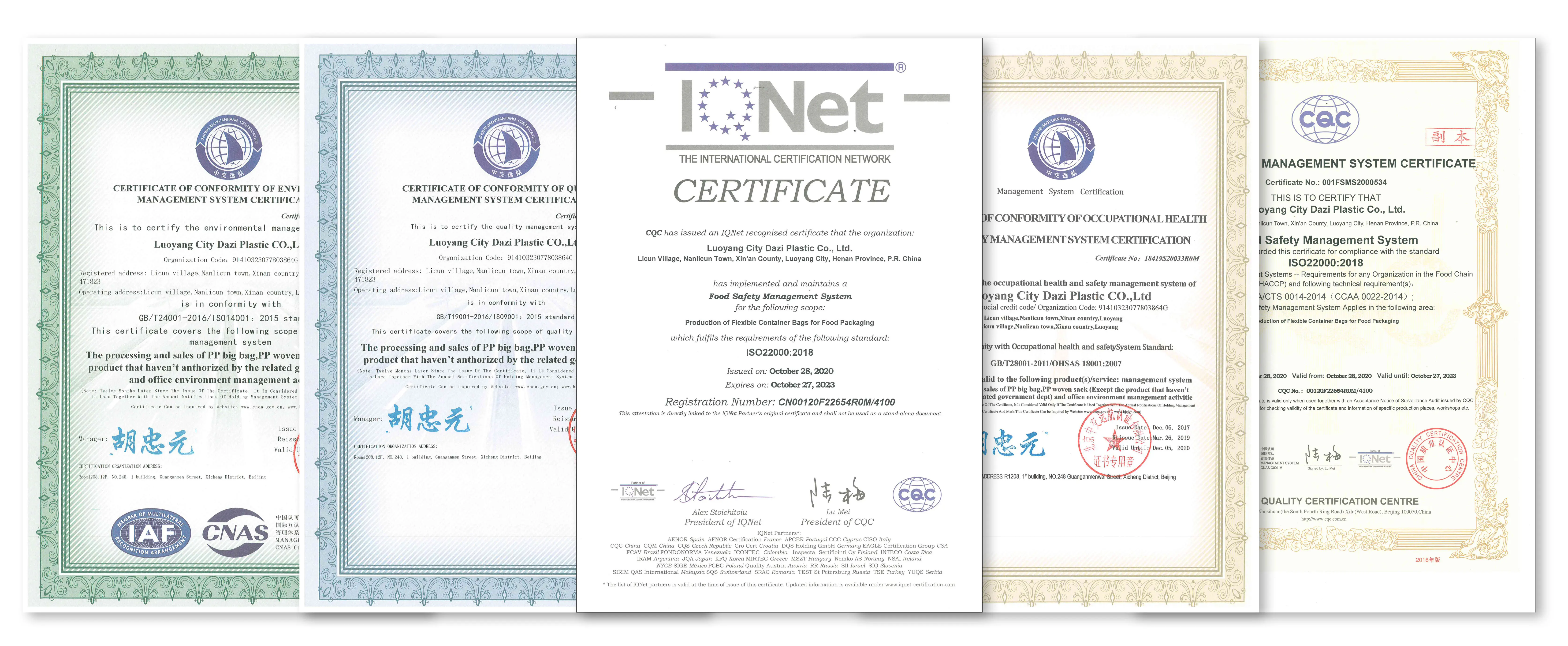
Cross-border chemical raw material transportation has extremely strict compliance requirements. Formal chemical-grade anti-static FIBC bulk bags must pass UN dangerous goods packaging certification, static performance testing, and industrial safety inspection. Complete qualification reports ensure smooth customs clearance, warehouse access, and shipping safety for chemical export cargo.
6. Environmental Adaptability for Long-distance Shipping
For international chemical transportation including sea freight and cross-land logistics, anti-static FIBCs need UV-stabilized and aging-resistant treatment. It prevents conductive yarn failure and fabric aging caused by sunlight, high temperature, and humid salt fog environments, maintaining stable anti-static performance throughout the whole logistics cycle.
Common Selection Mistakes in Chemical FIBC Procurement
-
Mistake 1: Using ordinary dust-proof static bags instead of professional explosion-proof anti-static FIBCs, leading to hidden explosion dangers.
-
Mistake 2: Choosing Type C FIBCs without supporting grounding facilities, resulting in complete failure of anti-static function.
-
Mistake 3: Ignoring sealing performance, causing chemical powder leakage and environmental pollution risks.
-
Mistake 4: Purchasing uncertified low-cost anti-static FIBCs with unstable conductive performance and unqualified safety standards.
-
Mistake 5: Neglecting material adaptability, causing chemical moisture absorption and quality deterioration due to lack of moisture-proof lining.
Scenario-based Selection Recommendations
-
Conventional chemical granules & common flammable powder: Type C anti-static FIBC + standard dust-proof liner
-
Ultra-fine explosive chemical powder & high-risk materials: Type D anti-static FIBC + fully sealed barrier liner
-
Hygroscopic and deliquescent chemical raw materials: Anti-static structure + thickened moisture-proof inner liner
-
Export cross-border dangerous chemical goods: UN-certified anti-static FIBC with complete qualification documents
-
Outdoor unfixed loading and unloading operations: Ground-free Type D anti-static FIBC bulk bags