Flammable powder materials, including chemical powders, plastic dust, toner, pesticide powder, and fine industrial additives, pose extremely high safety risks during bulk packaging, filling, stacking, and transportation. Fine powder particles continuously rub against each other and the inner bag wall during logistics turnover, easily accumulating static electricity. Once static sparks occur, it may trigger dust explosion, fire, or chemical combustion accidents. Ordinary standard FIBC bulk bags have no static elimination function and cannot be used for flammable powder shipment. Therefore, selecting qualified anti-static FIBC bulk bags is the core safety guarantee for flammable powder transportation. This professional guide explains the working principle, classification, key selection standards, and industry compliance requirements of anti-static FIBC bags, helping industrial buyers choose safe, standard-compliant, and explosion-proof bulk packaging solutions.
Why Ordinary FIBC Bags Are Unsafe for Flammable Powder
Conventional PP woven FIBC bulk bags are excellent insulators. During the loading, unloading, and transportation of ultra-fine flammable powders, high-speed friction generates static charges that cannot be dissipated in time. The enclosed space of bulk bags and containers easily forms a flammable dust cloud environment. When static voltage accumulates to a certain threshold, electrostatic discharge occurs, producing tiny sparks that ignite floating powder dust, leading to serious dust explosion accidents.
In addition to safety hazards, static electricity also causes practical problems such as powder adhesion, difficult blanking, and dust flying, affecting production efficiency and workshop cleanliness. For enterprises engaged in flammable powder production and export, the use of ordinary FIBCs will also fail safety inspections and cross-border customs clearance, resulting in shipment delays and compliance penalties.
Working Principle of Anti-Static FIBC Bulk Bags
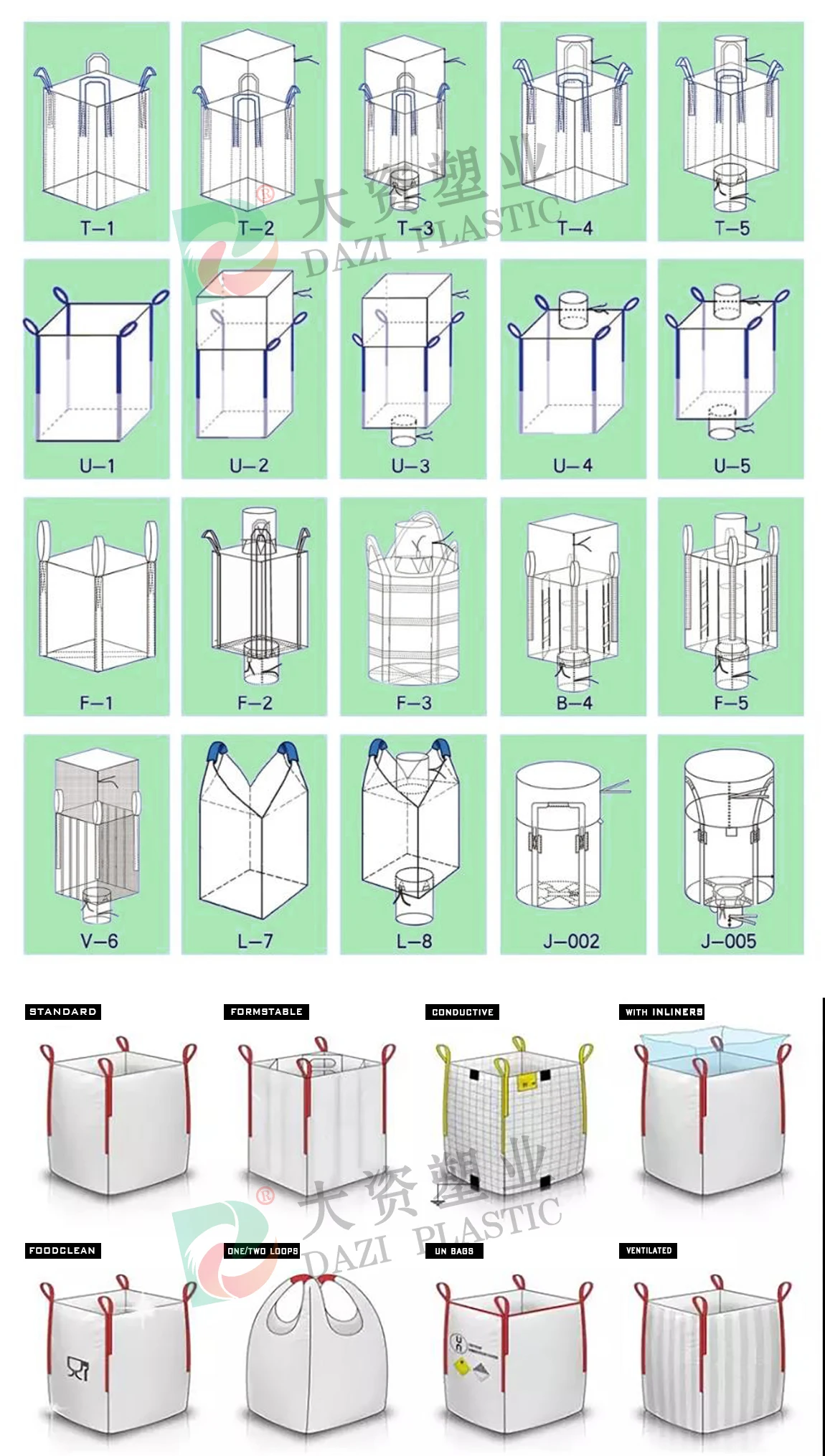
Professional anti-static FIBC bulk bags are woven with conductive PP threads or integrated conductive structural design. Unlike insulating ordinary bags, they form a stable static conduction system on the bag surface and inside. During material filling and vibration transportation, the static electricity generated by powder friction can be quickly and evenly released to the ground through conductive wires and grounding equipment, avoiding charge accumulation and high-voltage static discharge. Completely eliminating spark sources fundamentally prevents dust explosion risks in flammable powder transportation.
Two Main Types of Anti-Static FIBC Bags & Applicable Scenarios
Industrial anti-static FIBC bulk bags are divided into Type C and Type D according to international packaging safety standards, with completely different usage conditions and safety levels, which must be strictly distinguished during selection.
Type C Anti-static FIBC (Grounding Conductive Type)
Type C FIBCs are woven with continuous conductive yarns, forming a complete conductive network. They must be reliably grounded through grounding wires during filling, discharging, and transportation. After grounding, static electricity can be efficiently exported, suitable for most flammable powder bulk materials such as chemical powder, organic raw material powder, and combustible industrial dust.
Selection Notes: Type C bags rely on grounding to work. They are only safe when the grounding operation is standardized. They are suitable for fixed factories, professional logistics warehouses, and standardized container transportation scenarios with complete grounding equipment.
Type D Anti-static FIBC (Static Dissipative Type)
Type D FIBCs adopt advanced static dissipative fabric materials, which can automatically release static charges without grounding. They can suppress static discharge and prevent spark generation in any operating environment. With higher safety levels, Type D anti-static bulk bags are suitable for complex and variable scenarios where grounding conditions are unavailable, as well as high-risk ultra-fine flammable powders and explosive chemical materials.
Selection Notes: Type D is safer and more adaptable, ideal for open-air operation, mobile handling, and high-standard dangerous goods transportation with strict explosion-proof requirements.
Key Standards to Choose Qualified Anti-Static FIBC Bulk Bags
When purchasing anti-static FIBC bulk bags for flammable powder transportation, buyers should not only focus on surface anti-static design but strictly check the following core quality and safety indicators to avoid unqualified low-risk products.
1. Stable Anti-Static Performance Parameters
Qualified anti-static FIBCs must meet standard surface resistance parameters, ensuring rapid static dissipation without residual charge accumulation. Inferior products use intermittent conductive threads with unstable static elimination effect, which may fail under low humidity and dry environments, bringing hidden explosion dangers. High-quality anti-static bulk bags maintain stable conductive performance in high-dust, dry, and low-temperature environments, adapting to all-season industrial transportation.
2. Dust-Proof & Sealed Structural Design
Flammable ultra-fine powder is extremely easy to leak. Anti-static FIBCs must be equipped with encrypted stitching, sealed filling spout, discharge port, and high-density anti-leakage inner liner. While eliminating static electricity, they prevent external dust overflow and internal powder leakage, avoiding the formation of flammable dust clouds in the transportation environment.
3. Industrial-Grade Load & Structural Safety
Anti-static function cannot replace basic structural performance. Professional explosion-proof FIBC bulk bags need to maintain a 5:1 or 6:1 industrial safety factor, with reinforced lifting loops, thickened wear-resistant fabric, and anti-tear stitching structure. They ensure no bag rupture or cargo leakage during heavy-load lifting and long-distance transportation, avoiding secondary safety accidents caused by packaging damage.
4. Complete Dangerous Goods Certification
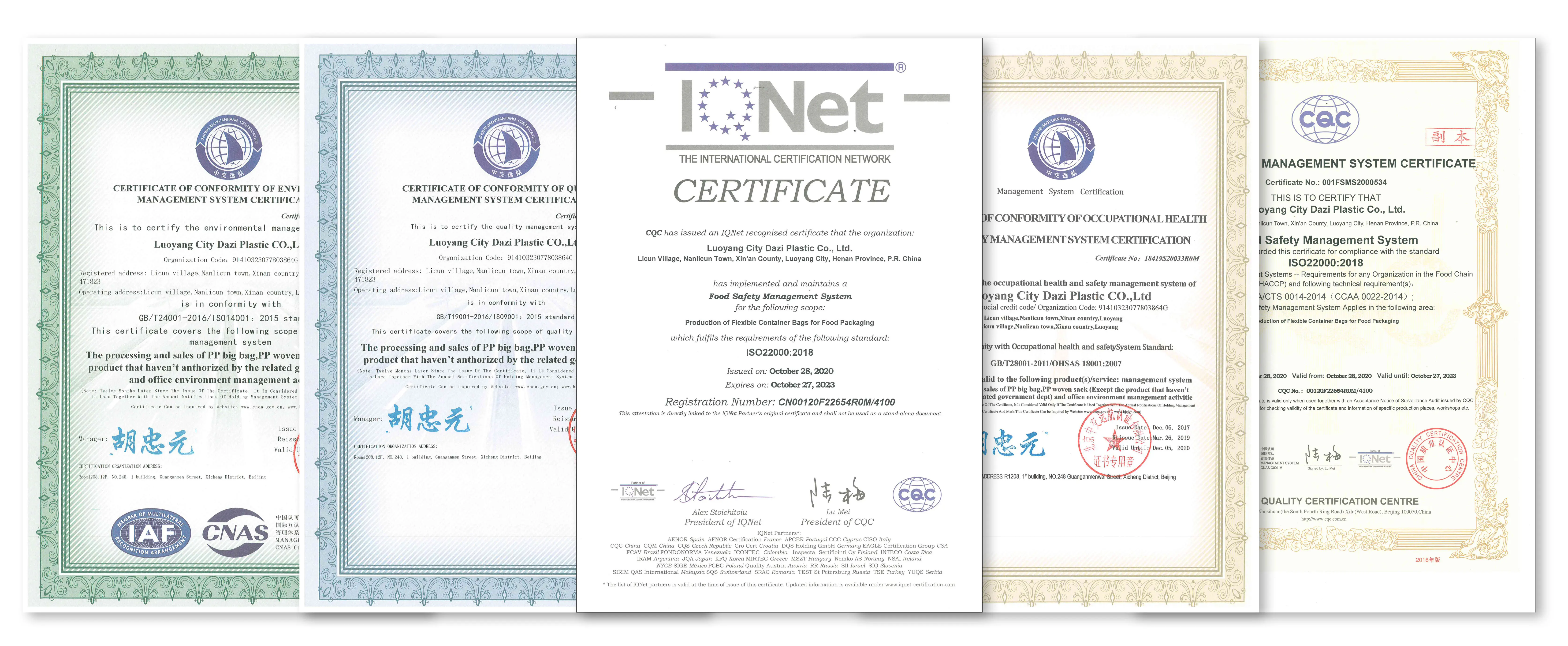
For cross-border transportation and factory safety inspection of flammable powder, anti-static FIBC bulk bags must have complete test reports and UN dangerous goods packaging certification. Standard compliant products can pass international shipping safety audits and domestic industrial safety inspections, ensuring zero obstacles for product transportation and export.
5. Adaptable Environmental Resistance
High-quality anti-static FIBCs support UV stabilization and moisture-proof treatment. They can adapt to outdoor storage, sea freight humidity, and dry workshop environments, maintaining stable anti-static performance without aging or failure due to environmental changes.
Common Selection Mistakes to Avoid
-
Mistake 1: Confusing ordinary static-resistant bags with professional explosion-proof FIBCs. Ordinary anti-dust static bags cannot withstand flammable powder explosion-proof standards.
-
Mistake 2: Choosing Type C FIBCs without standardized grounding conditions, leading to static failure risks.
-
Mistake 3: Ignoring liner sealing performance, resulting in powder leakage and dust explosion hidden dangers.
-
Mistake 4: Purchasing uncertified low-cost anti-static FIBCs with unstable conductive threads and potential safety hazards.
Best Selection Recommendations for Different Scenarios
-
Fixed factory standardized handling & container transportation: Choose cost-effective Type C grounded anti-static FIBC bulk bags.
-
Open-air operation, mobile handling & high-risk powder: Choose high-safety Type D ground-free anti-static FIBC bulk bags.
-
Export cross-border dangerous goods transportation: Prioritize UN-certified anti-static FIBCs with complete qualification documents.
-
Ultra-fine easy-leakage flammable powder: Match fully sealed dust-proof liner + anti-static explosion-proof structure.