In modern industrial bulk material handling, standardized packaging is no longer a simple container solution, but a core link that determines logistics efficiency, operational safety, and product quality stability. Among various industrial packaging options, FIBC (Flexible Intermediate Bulk Container) bulk bags have gradually replaced traditional small woven bags, rigid drums, and iron containers, becoming the universally recognized standard packaging for the mining, food, and chemical industries. Their unique combination of heavy-load durability, customizable safety performance, high cost-efficiency, and full-scenario adaptability perfectly solves the diversified and stringent packaging demands of bulk materials in three core industrial sectors. This article analyzes the key reasons why FIBC jumbo bags have established a dominant standard status in global industrial packaging.
Unmatched Comprehensive Performance for Bulk Industrial Handling
The fundamental reason for FIBC bulk bags to become industrial standard packaging lies in their superior comprehensive mechanical performance that matches large-scale industrial production. Made of high-strength polypropylene woven fabric, standard FIBC bags feature excellent tensile resistance, tear resistance, and load-bearing stability, with a single-bag capacity ranging from 500kg to 3000kg. They fully adapt to mechanical operations such as forklift lifting, crane hoisting, automated stacking, and container loading, realizing seamless docking with modern industrial logistics systems.
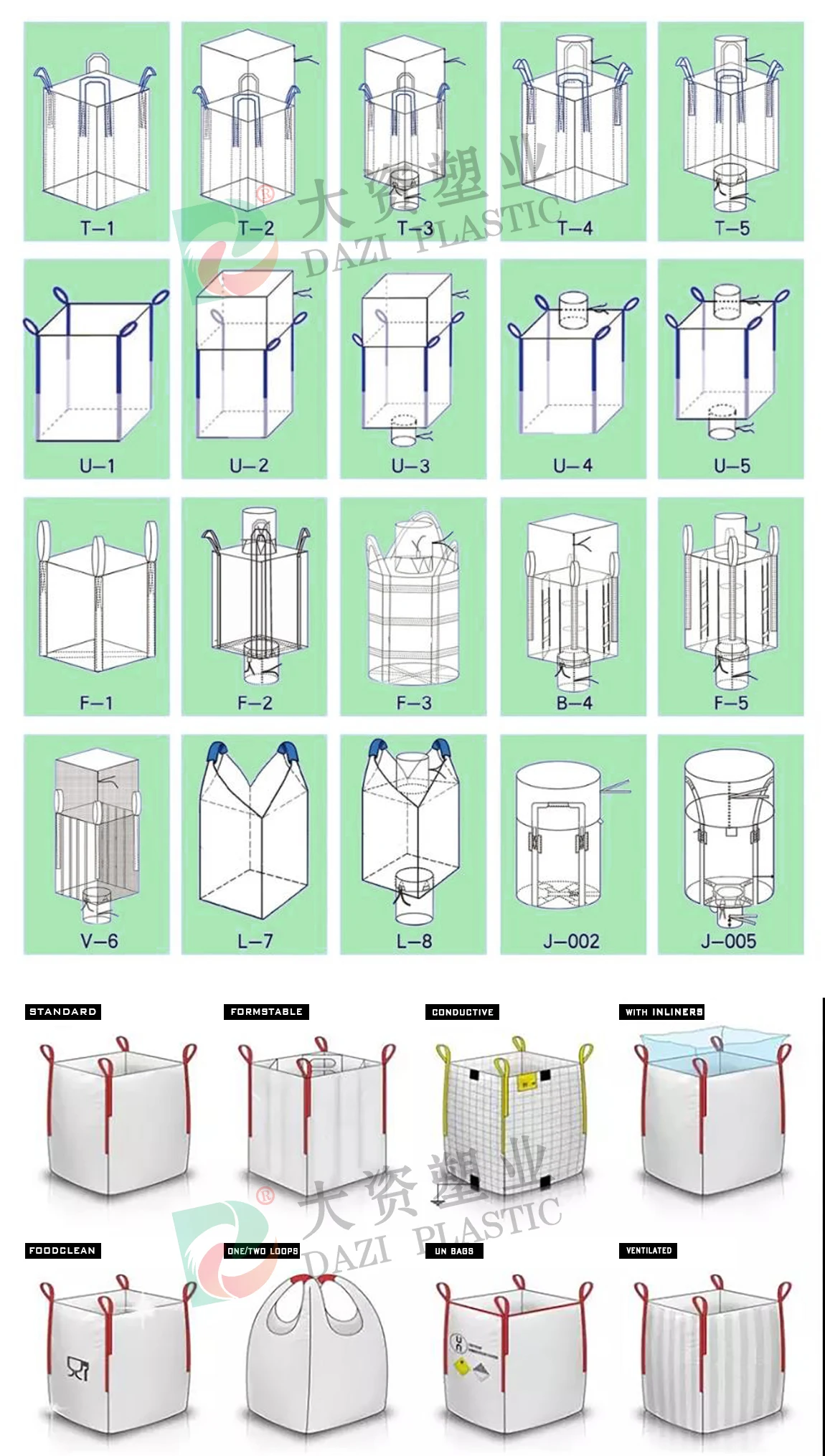
Different from rigid packaging containers with fixed specifications, FIBC bulk bags are flexible and foldable. They occupy minimal storage space when empty and can be freely matched with warehouses, trucks, and shipping containers, greatly improving space utilization and reducing idle storage costs. Meanwhile, the optimized structural design including reinforced lifting loops, thickened edge stitching, and sealed bottom weaving effectively avoids material leakage, bag rupture, and cargo damage during long-distance transportation and repeated turnover. This stable and reliable performance lays a solid foundation for its large-scale standardized promotion in the industry.
Industry-Specific Customization to Meet Strict Industry Standards
Mining, food, and chemical industries have completely different and highly specialized requirements for packaging safety, hygiene, and environmental adaptability. The modular customizable capability of FIBC bulk bags enables targeted performance upgrades to meet the standardized specifications of each industry, which is the key to their cross-industry universal standard status.
1. Standard Mining-Grade Packaging: Adapt to Harsh Working Conditions
Mining materials such as ore powder, gravel, coal, and mineral aggregates are heavy, abrasive, and usually operated in open-air, dusty, and high-temperature harsh environments. Standard mining FIBC bags adopt thickened anti-wear woven materials and UV-stabilized treatment, with strong puncture resistance and outdoor aging resistance. They can withstand long-term sun exposure, wind erosion, and sharp material friction without damage. Customized dust-proof structures and safety warning marks also meet the standardized management requirements of mining enterprises for bulk material classification, transportation, and outdoor storage, becoming the unified designated packaging for global mineral bulk logistics.
2. Standard Food-Grade Packaging: Strict Hygiene & Pollution Control
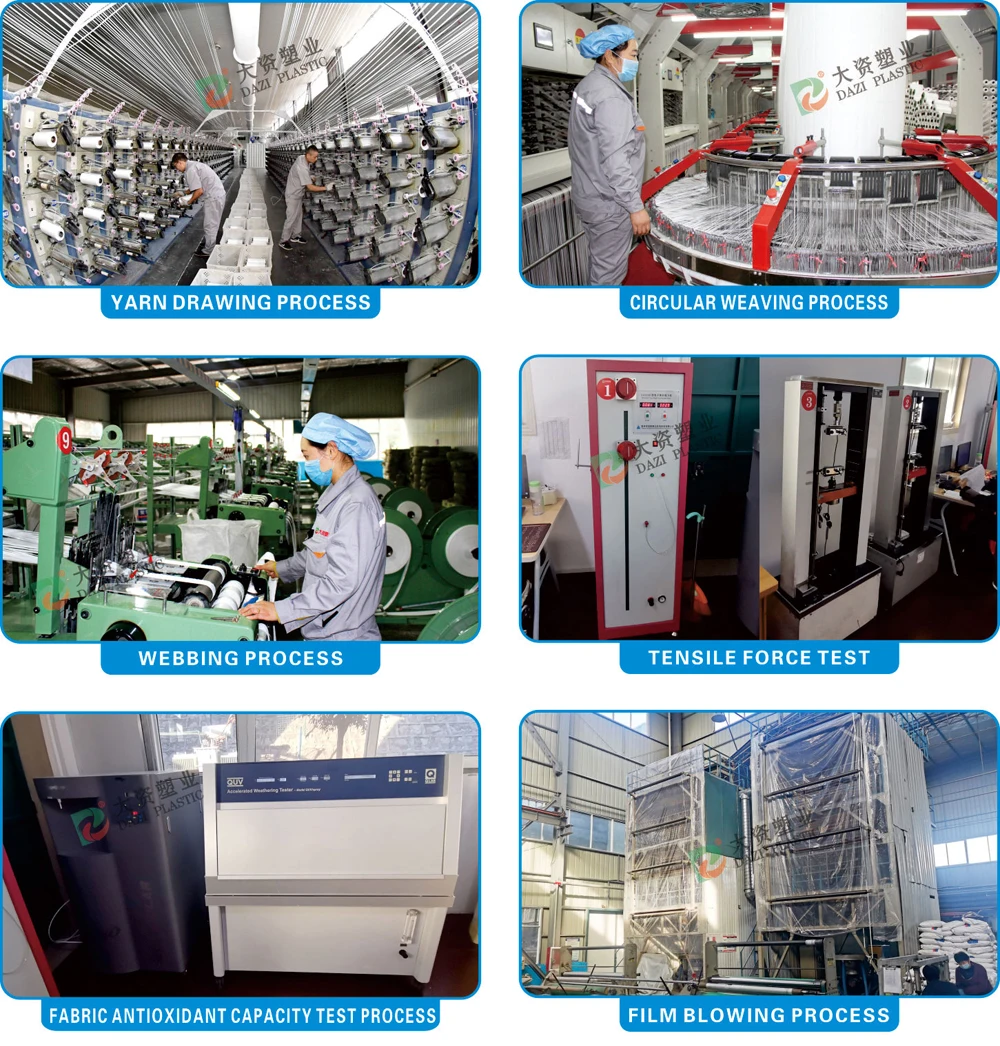
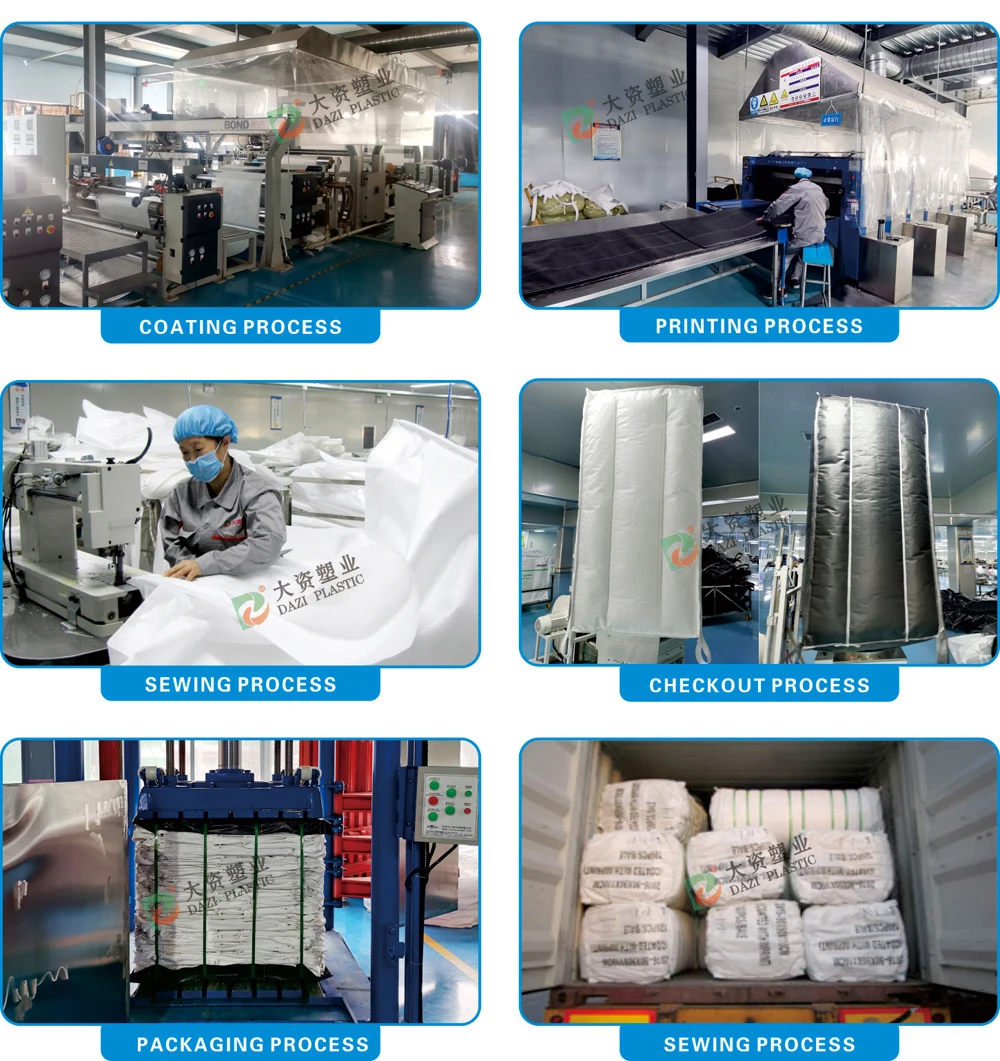
The food industry has zero tolerance for packaging hygiene, pollutant residue, and material safety. Food-grade FIBC bulk bags are manufactured with pure food-grade PP raw materials, which are non-toxic, odorless, and free of harmful chemical additives, fully complying with FDA and food contact safety standards. Adopting dust-free production workshops and sealed weaving technology, the bags can be equipped with food-grade PE inner liners to isolate external dust, bacteria, and moisture. They are widely used for standardized packaging of bulk grains, starch, sugar, feed, and food additives, ensuring zero pollution of food raw materials in storage and transportation, and meeting the unified hygiene standards of the global food supply chain.
3. Standard Chemical-Grade Packaging: Safety & Traceability for Hazardous Materials
Chemical bulk materials include flammable, corrosive, and static-sensitive powders and granules, which have extremely high requirements for packaging safety. Professional chemical-grade FIBC bags support UN certification, anti-static, flame-retardant, and anti-corrosion customized upgrades, which can effectively eliminate static electricity risks, prevent dust explosion accidents, and resist chemical corrosion. Meanwhile, standardized printable logos, hazard warning labels, and batch coding areas realize full-process traceability of chemical materials. They comply with international chemical transportation safety regulations and have become the mandatory standard packaging for bulk chemical raw materials and hazardous material turnover.
Superior Cost-Efficiency for Large-Scale Industrial Standardization
Industrial standardization packaging must meet the core demand of balancing performance and cost. Compared with metal drums, plastic rigid boxes, and disposable small packaging bags, FIBC bulk bags have significant economic advantages. First of all, the unit packaging cost of FIBC bags is far lower than that of rigid containers, and their foldable and reusable features greatly reduce long-term packaging procurement costs for enterprises.
Secondly, the large-capacity integrated packaging mode greatly improves loading and unloading efficiency, reduces manual operation links, and saves labor and time costs for cargo turnover. In addition, the lightweight feature effectively reduces the overall transportation weight of goods, lowering logistics freight costs for bulk material shipping. For large-scale continuous production and logistics enterprises in mining, chemical, and food industries, the high cost-performance of FIBC bags enables standardized large-scale popularization, helping enterprises achieve unified packaging management and refined cost control.
Sustainability & Compatibility with Global Logistics Standards
With the global promotion of green manufacturing and standardized logistics systems, FIBC bulk bags’ recyclable and environmentally friendly characteristics further consolidate their standard packaging status. High-quality FIBC bags can be recycled multiple times after cleaning and maintenance, and waste PP materials can be reprocessed and reused, reducing industrial plastic waste and meeting international environmental protection and carbon emission reduction standards.
Moreover, the size specification and structural design of mainstream FIBC bulk bags are highly compatible with international standard containers, pallet sizes, and automated logistics equipment. They can seamlessly adapt to global cross-border transportation, warehouse management, and intelligent sorting systems, solving the problem of inconsistent packaging specifications in cross-regional trade. This high compatibility makes FIBC the unified standard packaging solution for bulk material import and export trade.
Conclusion
FIBC bulk bags have become the recognized standard packaging for mining, food, and chemical materials, not by accident, but by matching the core demands of modern industrial bulk logistics. Their heavy-duty safety performance, industry-specific customized capabilities, excellent cost-efficiency, and global logistics compatibility perfectly fit the standardized, efficient, and safe development trend of industrial packaging. As the global manufacturing and logistics industry continues to upgrade, FIBC bulk bags will further consolidate their irreplaceable standard status and continue to empower high-quality and standardized operation of bulk material supply chains in various industries.