Fine Chemical Powder Pushes Packaging to Its Limits
Fine chemical powder — pigments, additives, metal oxides, pharmaceutical intermediates and functional fillers — is measured in microns, flows like liquid, and escapes through gaps that coarser materials cannot even see. It also carries a second, more serious threat: airborne dust. In a plant environment, a leaking bag of fine chemical powder creates a visible dust cloud, exposes workers to inhalation hazards, contaminates surrounding products and, for combustible powders, feeds the fuel that a single static spark can ignite. Custom liner FIBC jumbo bags are engineered to stop both problems at the source, wrapping fine chemical powder in a sealed envelope that holds the product in and keeps dust out of the working environment.
The Double Threat: Micro Leakage and Dust Hazards
Standard woven FIBC fabric is inherently porous. Its weave gaps and stitching needle holes are invisible to the eye but entirely large enough for micron-sized particles to pass. The result is continuous micro leakage: powder dusts onto floors, settles on equipment, migrates into neighboring products and quietly subtracts from every filled bag.
Dust hazards escalate from there. Fine chemical powders suspended in air form dust clouds; when a combustible powder reaches its minimum explosive concentration inside a confined space, any ignition source — including the electrostatic discharge that powder friction generates — can trigger a dust explosion. Even for non-combustible powders, airborne dust is a workplace hygiene problem, a product contamination source and a compliance issue under occupational exposure limits. Sealing the bag is therefore not just a material-loss decision; it is a safety and compliance decision.
How Custom Liners Create a Dust-Tight Envelope
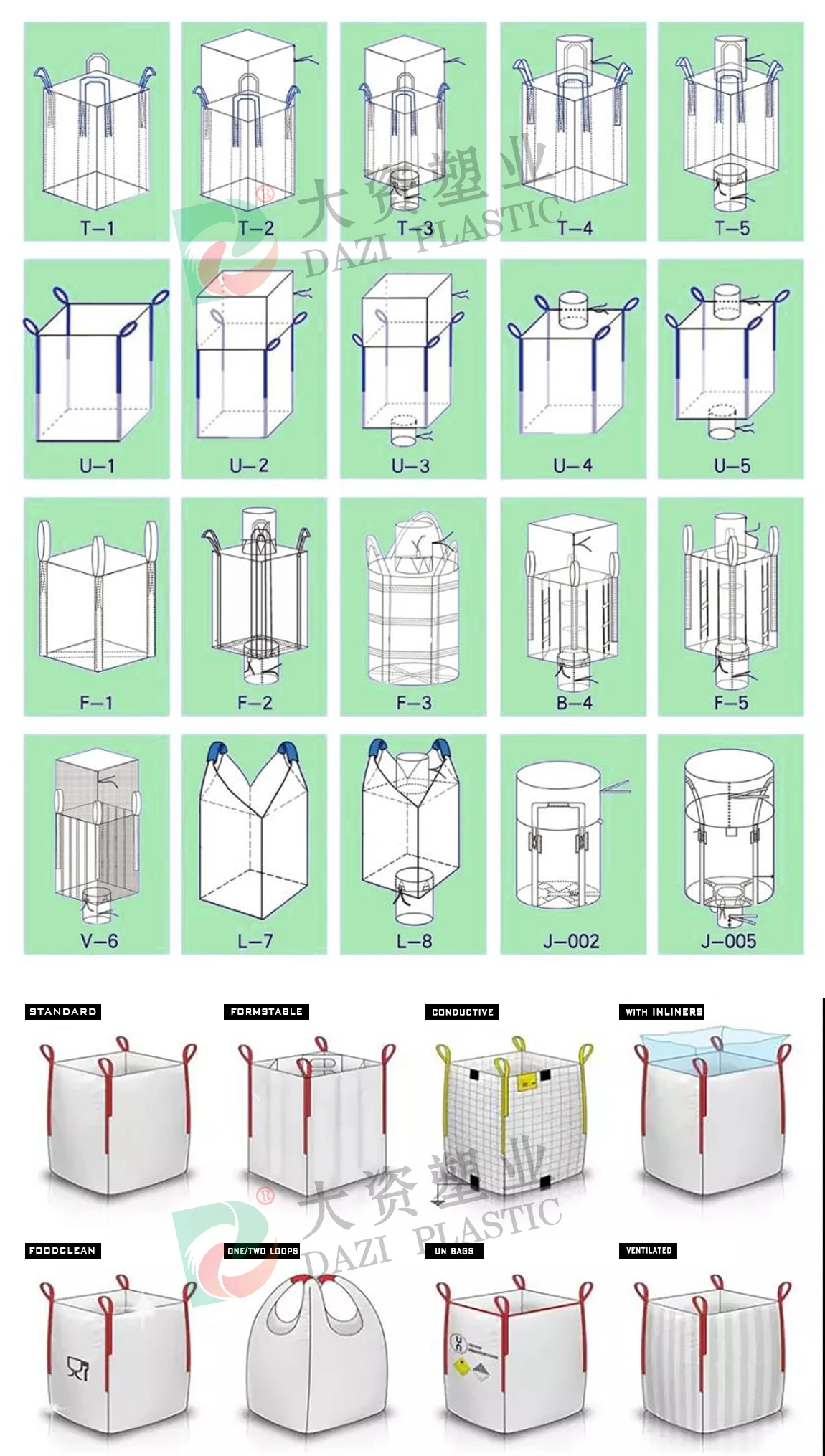
The liner is the true sealing layer inside a custom FIBC. While the woven shell carries the mechanical load, the film liner forms a continuous barrier that the powder cannot pass. Custom design makes that barrier complete at every point where leakage usually happens.
Continuous Film Barrier
A well-manufactured liner has no pinholes and no open seams. Made as a seamless or one-piece construction with sealed corners, it encloses the powder on all sides, blocking both weave gaps and stitching needle holes of the outer fabric. The powder simply never contacts the woven surface.
Through-Spout Liner Integration
The classic leak points are the openings. Custom liners extend through the top fill spout and the bottom discharge spout, so the seal is maintained across filling, storage and discharge. The operator ties off the liner sleeve after filling and opens it at discharge, without ever breaking the film barrier.
Sift-Proof Seam Construction
Where the liner meets the bag structure, dedicated sift-proof seams — dense multi-row stitching combined with the film barrier — close the remaining escape routes. This combination is what separates a dust-tight chemical FIBC from an ordinary bag with a loose liner inside.
Liner Material Selection for Fine Chemical Powders
|
Liner Type
|
Protection Profile
|
Typical Fine Chemical Powder
|
|
Standard PE liner
|
Dust containment, moisture barrier
|
Pigments, fillers, non-reactive additives
|
|
Conductive / anti-static liner
|
Static dissipation, dust explosion control
|
Carbon black, metal powders, flammable additives
|
|
Foil / high-barrier liner
|
Moisture, oxygen and aroma isolation
|
Hygroscopic intermediates, sensitive actives
|
|
Food / pharma grade liner
|
Contact compliance, zero contamination
|
Pharmaceutical excipients, food additives
|
Containing the Combustible Dust Risk
For flammable fine chemical powders, leakage prevention and dust explosion prevention are the same problem. The liner choice must be paired with static control: a conductive or anti-static liner integrated with a conductive FIBC body dissipates electrostatic charge continuously, removing the ignition source that a dust cloud could otherwise meet. Compliant designs follow IEC 61340-4-4 static requirements and can be verified for use in ATEX-classified hazardous areas, where the combination of sealed containment and static dissipation is what makes the package acceptable for explosive atmospheres.
Applications in Fine Chemical Handling
-
Pigment and dye powders: fine, highly colored, easily airborne; dust-tight liners protect both product purity and workplace cleanliness.
-
Carbon black and conductive powders: combustible and static-prone; conductive liner FIBCs prevent both leakage and ignition.
-
Metal and oxide powders: dense, abrasive and moisture-sensitive; barrier liners with reinforced fabric handle heavy loads without dust release.
-
Pharmaceutical intermediates: high-value and purity-critical; food-grade liners with clean construction prevent contamination and comply with cGMP expectations.
-
Plastic and rubber additives: fine functional fillers that must stay dust-free for precise downstream dosing.
Verification and Compliance Requirements
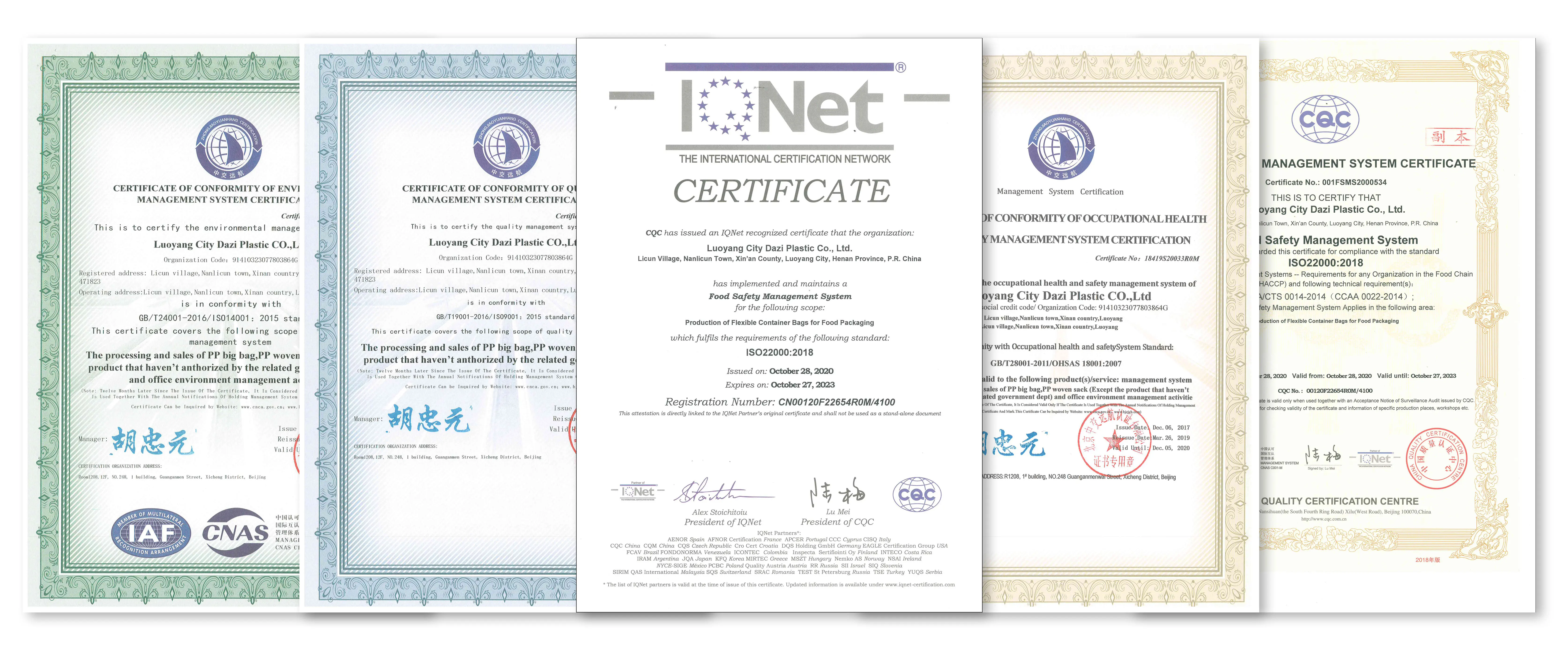
Claims of dust-tightness and safety must be supported by evidence. Buyers should request liner material test reports, sift-proof seam verification and, for hazardous powders, electrostatic performance data and UN packaging certification for the complete bag-and-liner system. For pharmaceutical and food-adjacent powders, food-contact compliance documentation for the liner resin completes the package. These documents also serve the destination-country import audits that increasingly inspect packaging compliance before accepting fine chemical consignments.
Selection Checklist for Fine Chemical Powder FIBCs
-
Characterize the powder: particle size, flowability, combustibility and toxicity to set liner and safety requirements.
-
Choose liner material — standard, conductive, barrier or food-grade — matched to the powder's hazard profile.
-
Require through-spout liner integration and sift-proof seam construction.
-
For flammable powders, verify static dissipation performance and ATEX-compatible design with documentation.
-
Confirm UN packaging certification for export of hazardous chemical powders.
-
Request liner pinhole and seam test data and batch-level quality records.
Conclusion
Custom liner FIBC jumbo bags answer the two challenges that define fine chemical powder logistics: invisible leakage and airborne dust hazards. By combining a continuous film barrier, through-spout integration and sift-proof seams — and by pairing the right liner material with static control for combustible powders — they hold the product completely and keep the working environment clean and safe. For chemical producers, the choice of a properly engineered, documented liner bag is one of the most direct investments available in product purity, worker protection and compliance.